 WhatsApp: +86 16626708626
 Email:
  Phone: +86 16626708626
Description
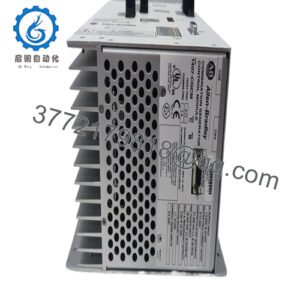
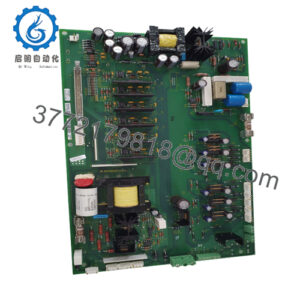
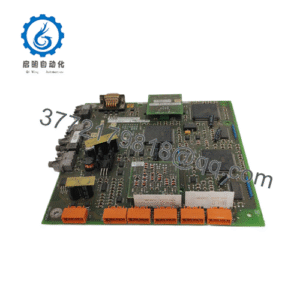
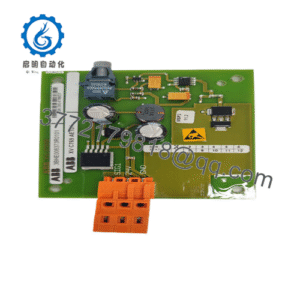
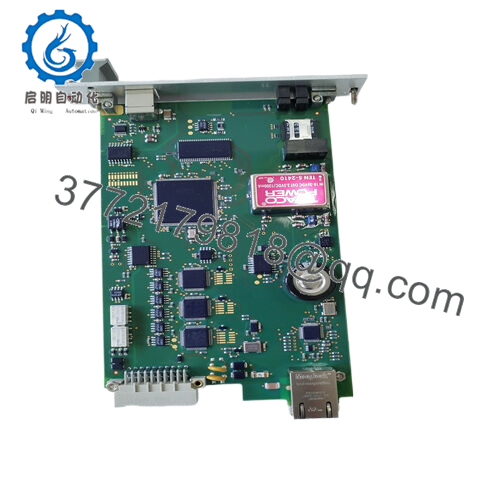
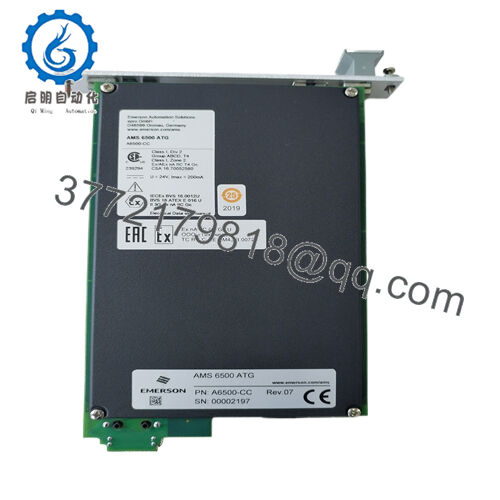
The Emerson A6500-CC is a specialized system communication card essential for industrial automation within critical rotating machinery applications. It finds its use prominently in industries handling steam turbines, gas compressors, and hydro turbo machinery, where monitoring and protecting machinery health is vital. This device is designed to integrate seamlessly with AMS 6500 ATG modules, facilitating machine condition monitoring by transmitting crucial parameters through several protocols like ModBus TCP/IP, ModBus RTU, and OPC UA. Used in industrial automation environments, the Emerson A6500-CC supports reliable data communication for control systems managing machinery protection, which is critical to prevent costly downtime and failures.
The Emerson A6500-CC is a communication and interface module that serves as a bridge between machinery protection monitors and control room systems. As part of the larger AMS 6500 Automatic Turbine Generator (ATG) system, this product is a plug-in card that fits into a 3U rack space, shrinking cabinet size requirements dramatically compared to traditional cards. Its role is to consolidate and transmit data from all connected A6500 ATG modules to the control systems via established industry protocols. For engineers and system integrators, the A6500-CC enhances system architecture by delivering reliable, real-time machine health data and powering local graphical displays, thus supporting seamless monitoring integration.

- A6500-CC
Key technical strengths of the Emerson A6500-CC include its high reliability grounded in API 670 compliance and hot-swappable design, which reduces maintenance downtime. The module supports multiple communication protocols simultaneously, including ModBus TCP/IP for Ethernet networks, ModBus RTU for serial communication, and OPC UA for third-party data systems, offering flexibility in integration. Its compact, 1-slot 3U form factor reduces cabinet space and simplifies installation. Engineered to operate in harsh industrial environments, it withstands temperatures from -20°C to 70°C with forced cooling, resists vibration, and adheres to stringent EMC standards. This ensures long-term operational stability and service life in demanding settings where uptime is critical.
| Parameter | Value |
|---|---|
| Model | A6500-CC |
| Brand | Emerson |
| Type | System Communication Card |
| Power Supply | Dual redundant 24 V DC inputs (+18 to +31.2 V DC) |
| Operating Temperature | -20°C to 70°C (with forced cooling), -20°C to 55°C (without) |
| Mounting | 3RU / 4HP rack slot |
| Dimensions | 100 x 160 mm (3.937 x 6.3 in) |
| Weight | Approx. 170 g (exclusive packaging) |
| Interfaces | ModBus TCP/IP, ModBus RTU, OPC UA, RS 485, USB Type B |
| Certifications | CE, ATEX, IEC-Ex, CSA, UL, Marine Classifications |
| Cooling | Forced cooling recommended |
| Environmental Rating | IP20 IEC 60529 |
The Emerson A6500-CC complements a range of AMS 6500 modules such as the A6500-SR System Rack that houses the communication card, A6500-UM Universal Measurement Card for broader signal processing, A6500-CP Communication Card Pro for enhanced communication flexibility, and other interface and monitoring modules to build a comprehensive machinery protection system. These related units enable tailored configurations fitting varied industrial control system demands.
Prior to installing the Emerson A6500-CC, careful consideration should be given to rack space availability and appropriate grounding to prevent electrical interference. Ensure the cabinet environment supports recommended cooling for operation within stated temperature ranges. Regular maintenance should focus on visual inspections of connector integrity, periodic firmware updates to enhance performance, and diagnostic checks through built-in self-monitoring features. Proper signal diagnostics and password-protected configurations safeguard against unauthorized changes and help maintain communication accuracy over time.