 WhatsApp: +86 16626708626
 Email:
  Phone: +86 16626708626
Description
2. Product Core Brief
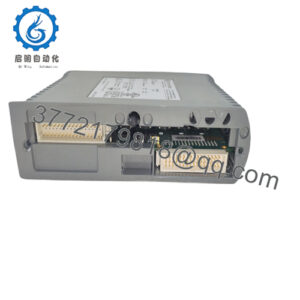
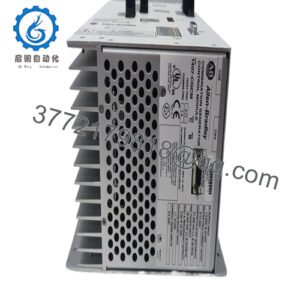
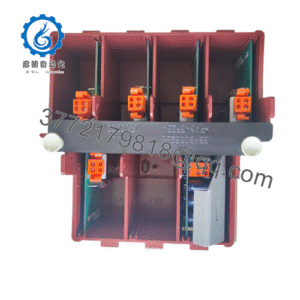
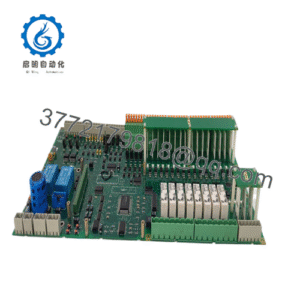
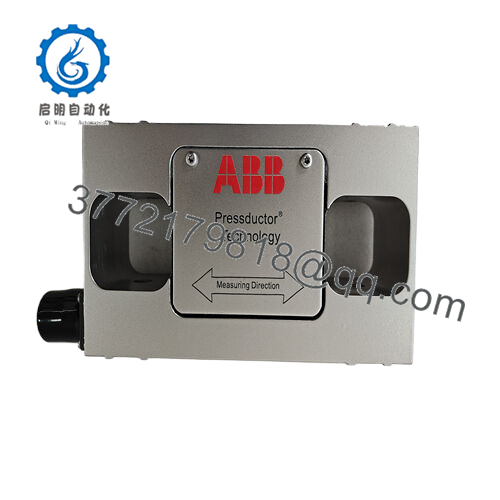
- Model: PFVK135 (3BSE007135R1)
- Brand: ABB
- Series: ABB Measurement / Control Electronics Platform
- Core Function: Signal processing for force/tension measurement
- Product Type: Processor Board / Control Module
- Key Specs: Measurement signal processing, controller interface board, industrial automation integration
- Condition: New Original / New Surplus
3. Key Technical Specifications
| Parameter | Value |
|---|---|
| Model | PFVK135 |
| ABB Part Number | 3BSE007135R1 |
| Product Type | Processor Board |
| Primary Function | Measurement and signal processing |
| System Integration | Industrial control and measurement systems |
| Application | Roll force / tension measurement systems |
| Mounting | Control rack / electronics chassis |
| Power Supply | From system backplane |
| Board Weight | ~0.52 kg |
| Origin | Sweden |
| Typical Use | Process automation and industrial control systems |
The PFVK135 board operates as a signal processing component used in measurement and control architectures. It processes incoming measurement signals and delivers conditioned data to the automation controller.

- PFVK135
4. Product Introduction
The ABB PFVK135 (3BSE007135R1) is a processor board used in industrial automation measurement systems. It processes sensor signals used in force or tension measurement applications and communicates processed values to the host control system.
In real installations, this board typically appears inside measurement electronics associated with roll force monitoring, web tension systems, or automation control racks. Plants running heavy process lines—such as steel rolling mills or converting lines—use this board to maintain stable measurement feedback for the control system.
5. Troubleshooting Quick Reference
| Symptom | Possible Cause | Relevance to this Part | Quick Check Method | Recommendation |
|---|---|---|---|---|
| System shows no measurement signal | Sensor or field wiring failure | ❌ Low | Measure sensor output at terminal block | Verify sensor before replacing board |
| Measurement values frozen | Processor board communication failure | ✅ High | Check system diagnostics and board status LEDs | Replace board if comms failure confirmed |
| Intermittent measurement spikes | Ground loop or noise interference | ❌ Low | Inspect shield grounding and cable routing | Correct grounding configuration |
| Controller reports module fault | Board firmware or internal failure | ✅ High | Read diagnostic codes in controller | Replacement usually required |
| Measurement offset after maintenance | Calibration parameters changed | ⚠️ Medium | Compare calibration values with backup settings | Reapply calibration parameters |
Reality from field work: Measurement boards fail far less often than sensors or cabling. Always test the field transducer first.
If you’re unsure, capture controller diagnostics and photos of the rack slot before ordering a replacement.
6. Frequently Asked Questions (FAQ)
Q1: What does the PFVK135 board actually control?
It processes measurement signals from sensors used in force or tension monitoring systems. The processed data is then sent to the control system for regulation or monitoring.
Q2: Is the PFVK135 still supported by ABB?
Most installations using this board are legacy systems. Many plants keep spare units because replacing the entire measurement system would require a major upgrade.
Q3: Can I hot-swap the PFVK135 board?
Generally no unless the rack explicitly supports it. Most measurement electronics racks require power shutdown before replacing processor boards. Check the cabinet manual before attempting a swap.
Q4: Will replacing this board require system reconfiguration?
Usually not, but you should verify:
- Firmware compatibility
- Calibration parameters
- Rack slot configuration
If the system stores configuration in the controller, the new board should initialize automatically.
Q5: Why are surplus units commonly available for this module?
Large industrial projects often purchase spare boards during commissioning. When plants upgrade systems, unused inventory enters the surplus market even though the hardware was never installed.
Q6: What typically damages boards like this?
Three common causes:
- Static discharge during maintenance
- Incorrect power supply connection
- Electrical noise from poor grounding
Always wear an ESD strap and power down the rack before handling the board.