 WhatsApp: +86 16626708626
 Email:
  Phone: +86 16626708626
Description
- Product Core Brief
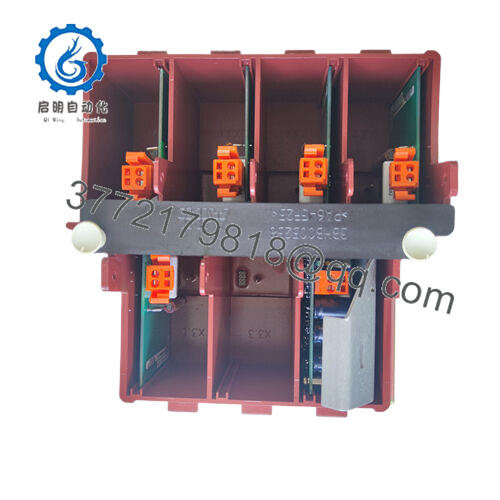
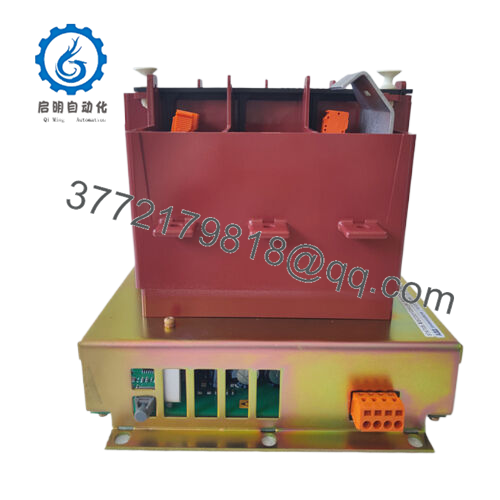
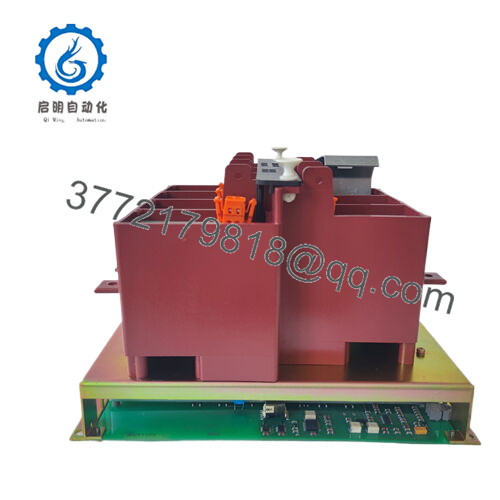
- Model: 8222 (3BHB043808R0001)
- Brand: ABB
- Series: Analytical Sensors (8222 family)
- Core Function: Measures liquid electrical conductivity
- Product Type: Conductivity probe/sensor
- Key Specs: G1/2 mounting thread, compact design, for process liquids
- Condition: New Original / New Surplus
- ⚠️ Obsolete Model – Limited Stock Available
- Key Technical Specifications
- ABB Type Designation: 8222
- Mounting connection: G1/2 thread
- Measured parameter: Specific electrical conductivity (µS/cm or mS/cm range depends on cell constant/transmitter pairing)
- Cell constant: Typically fixed (e.g., 0.01–10 cm⁻¹ variants in 8222 series – confirm exact via label or transmitter)
- Wetted materials: Likely stainless steel electrodes + insulating body (e.g., PEEK or similar – verify per variant)
- Process temperature: Typically up to +130–150 °C (short-term peaks higher; check exact rating)
- Process pressure: Up to 16–25 bar depending on temperature
- Output: Passive sensor (resistance-based; requires external transmitter for 4–20 mA or digital)
- Protection class: IP67 or higher when installed
- Ambient temperature: −20 to +70 °C (operating)
- Dimensions: Compact probe length ~100–150 mm, diameter ~30–50 mm
- Weight: Approx. 0.01–0.1 kg (very light)
- Country of Origin: Finland (FI) typical for this part

- 3BHB043808R0001
- Product Introduction
The ABB 3BHB043808R0001 (type 8222) is a conductivity sensor probe designed for inline or immersion measurement of liquid conductivity in industrial processes. It connects via G1/2 thread and pairs with ABB transmitters to monitor water quality, chemical concentrations, or contamination.
This sensor sees heavy use in boiler feedwater loops, cooling towers, and wastewater treatment where accurate conductivity data prevents scaling, corrosion, or inefficient chemical dosing. Its simple, rugged construction and compatibility with existing ABB analytical systems make it a go-to replacement in legacy installations, even as newer toroidal or contacting sensors emerge.
- Installation & Configuration Guide
Stage 1: Pre-Installation Preparation (10–15 min) ⚠️ Safety First: Isolate process line or tank. Depressurize and drain if hazardous media. Lock out/tag out pumps/valves. Use PPE (gloves, eye protection) for chemicals. Wait for temperature to drop below 60 °C. Tools Required: Adjustable wrench or pipe wrench for G1/2, thread sealant (PTFE tape or approved paste), multimeter, smartphone for photos, cleaning brush/rag. Data Backup: Photograph old sensor installation (orientation, wiring to transmitter, any adapters). Note transmitter settings (cell constant, temperature compensation, range).
Stage 2: Removing the Old Sensor (5–10 min)
- Close isolation valves if present.
- Disconnect wiring at transmitter end (label wires: usually 2–4 conductors for conductivity + temp if integrated).
- Unscrew sensor from process connection (counter-clockwise; support line to avoid stress).
- Inspect threads and o-ring/gasket for damage; clean fitting. ⚠️ Note: Keep the old sensor for reference/comparison until new one reads correctly.
Stage 3: Installing the New Sensor (10–15 min)
- Wear gloves/ESD if sensitive. Confirm model matches (3BHB043808R0001, type 8222). Inspect electrodes for shipping damage.
- Configuration Clone (Crucial): No DIP switches or pots here – but verify cell constant matches old unit (etched on body or in docs). Apply thread sealant sparingly.
- Screw into G1/2 port hand-tight + 1–2 turns with wrench (do not over-torque; typical 20–30 Nm max). Ensure correct immersion depth/orientation (flow past electrodes).
- Reconnect wiring exactly as labeled (polarity matters for some setups). Self-Checklist: [ ] Thread sealed/no leaks, [ ] Wiring matched, [ ] Securely mounted.
Stage 4: Power-On & Testing (15–30 min) Pre-Power Check: Verify no shorts in wiring with multimeter. Power-On Steps:
- Restore power to transmitter/analyzer.
- Check display for conductivity reading (initially air = near zero or infinite).
- Introduce known conductivity solution or process flow; compare to expected value.
- Calibrate transmitter if needed (per manual: usually 1–2 point with standard solutions).
- Monitor for stability and temperature compensation. ⚠️ Troubleshooting Note: Erratic readings often mean air bubbles, fouling, or wrong cell constant entered. No reading = open wiring or damaged electrodes. Leak at threads = reseal or check o-ring.
- Frequently Asked Questions (FAQ)
Can this conductivity sensor be hot-swapped under process pressure? No – never. Removing under pressure risks spray of hot/chemical liquid and inaccurate readings from thermal shock. Always isolate, depressurize, and cool the line first.
Is this model obsolete, and is your stock genuinely new? Yes, the 8222 / 3BHB043808R0001 is discontinued as of recent years, with only surplus or remaining inventory available. Our units are new original from verified channels – we provide photos of packaging, serials, and basic continuity test reports on request.
What is the direct replacement if this is out of stock? ABB’s newer contacting conductivity sensors (e.g., from the TB2xx or newer 822x series revisions) or toroidal (inductive) models like TB404 may substitute, but check thread, cell constant, and transmitter compatibility. Always cross-reference the current ABB analytical catalog for pin-to-pin or electrical match.
Will swapping the sensor require recalibration of the transmitter? Usually yes – even identical models can have slight cell constant variations. After install, perform a full calibration with certified conductivity standards at operating temperature. Skipping this leads to offset errors of 5–20%.
Why is the price lower than ABB factory list? This is discontinued surplus from excess stock or decommissioned plants – genuine ABB part, not rebuilt or fake. We inspect visually, check threads/electrodes, and test basic resistance before shipment. You get OEM quality at aftermarket pricing with shorter lead times.