 WhatsApp: +86 16626708626
 Email:
  Phone: +86 16626708626
Description
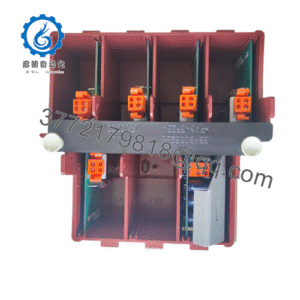
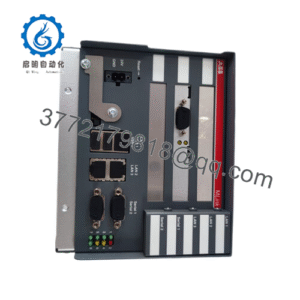
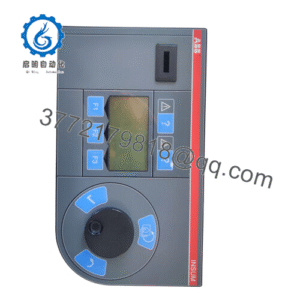
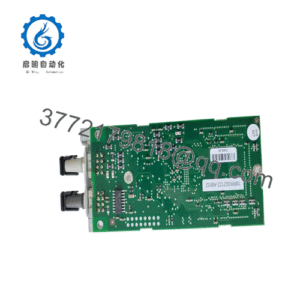
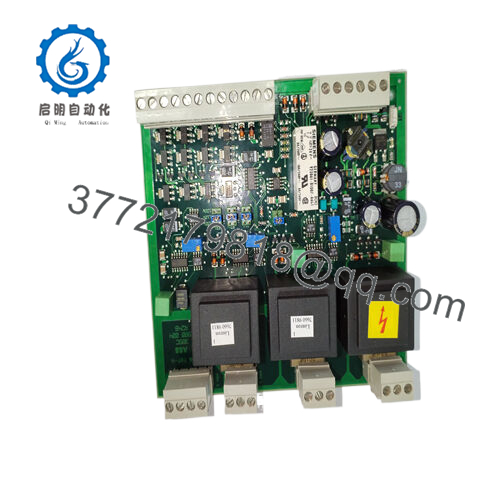
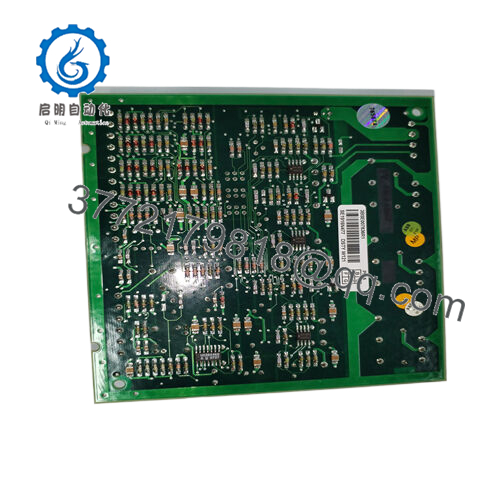
The primary challenge in high-density industrial automation is the reliable distribution of power and signals within a crowded control cabinet. As systems grow more complex, the risk of wiring errors, loose connections, and “signal noise” increases, which can lead to intermittent faults or even complete system shutdowns. The ABB DSTK150 serves as a specialized connection unit designed to bring order and high reliability to these environments. Specifically tailored for the Advant Controller and MasterView series, this unit acts as a centralized terminal base that ensures clean, deterministic signal routing between the field and the controller.
When an engineer is tasked with upgrading a legacy system or building a new process control hub, the ABB DSTK150 solves the problem of “cable spaghetti.” Without a dedicated connection unit, landing dozens of field wires directly onto sensitive I/O cards is risky and difficult to maintain. The ABB DSTK150 provides a robust, organized interface that simplifies the I/O signal path. It is essential in situations where “mean time to repair” (MTTR) is a critical metric; by centralizing connections, it allows technicians to isolate and test loops quickly without disturbing the rest of the control architecture. This leads to enhanced system stability and the high reliability demanded by modern manufacturing standards.
The ABB DSTK150 functions as a passive yet critical interface layer within the automation stack. It is typically positioned between the field wiring junction boxes and the internal I/O modules of the ABB controller. Rather than a simple terminal strip, it is engineered to facilitate specialized communication and power distribution across the S600 or similar backplane architectures. By acting as the physical termination point, the ABB DSTK150 protects the logic-level electronics of the controller from the mechanical stresses of heavy-gauge field wiring.
In a typical system, the ABB DSTK150 interacts with I/O modules via pre-fabricated ribbon or D-sub cables, ensuring a secure and error-proof connection to the processing hardware. It supports various I/O types, including digital and analog signals, by providing organized landing points for shields and grounds. This positioning in the system is vital for maintaining signal integrity; the unit’s design helps to mitigate common-mode noise and ensures that the controller receives an accurate representation of the field state. Because it is built for modular integration, the ABB DSTK150 allows for easy expansion—simply add another unit to the rail to increase your I/O capacity without redesigning the entire cabinet layout.
| Specification | Details |
| Model Number | DSTK150 |
| Brand | ABB |
| Type | Connection Unit / Terminal Base |
| Input Voltage | Up to 250V AC/DC (Signal Dependent) |
| Operating Temp Range | 0°C to +55°C |
| Mounting Style | DIN Rail or Wall Mount |
| Dimensions | Approximately 200mm x 120mm x 60mm |
| Weight | 0.60 kg |
| Interface/Bus | Multi-pin Header / Terminal Blocks |
| Compliance | CE, UL Recognized |
| Supported Protocols | Hardware-level I/O Interfacing |
| Typical Power Draw | Passive (No internal power consumption) |

- DSTK150
The real-world benefit of choosing the ABB DSTK150 is the immediate improvement in maintenance efficiency. Because it is engineered for the rigors of industrial use, the terminal points are designed to withstand repeated tightening and thermal expansion/contraction cycles. This ensures long-term performance and prevents the “drifting” connections that often plague lower-quality terminal blocks. For the plant operator, this means fewer emergency call-outs for “lost signals” and a more predictable maintenance schedule.
Furthermore, using the ABB DSTK150 reduces engineering overhead during the commissioning phase. The clear labeling and standardized layout of the unit make it much faster for electrical contractors to land field wires correctly the first time. It effectively acts as a “physical blueprint” for the cabinet’s I/O, which simplifies the creation of as-built drawings and future audits. By standardizing on a unit like the ABB DSTK150, you ensure that your control system remains modular and scalable, allowing for future upgrades with minimal rewiring.
Finally, the unit provides an added layer of physical protection for your most expensive assets. By isolating the field connections on a separate, ruggedized base, you create a buffer zone. If a field-side event occurs—such as a cable being severed by a forklift—the physical damage is often confined to the ABB DSTK150 and its terminal assembly, sparing the high-cost processor and I/O modules from mechanical damage or short circuits.
The ABB DSTK150 is a staple in process control environments such as chemical processing plants and pulp and paper mills. In these industries, the sheer volume of I/O points makes organized termination a necessity rather than a luxury. The ABB DSTK150 is used to manage the vast arrays of limit switches, solenoids, and sensors required to run continuous production lines, where any wiring fault could result in thousands of dollars of lost product per hour.
You will also find the ABB DSTK150 used in power plants and water treatment facilities. These sites often require critical system uptime and have long lifecycles (20+ years). The durability of the unit makes it ideal for these environments, as it can withstand the vibrations and temperature fluctuations common in turbine halls or pump stations. Whether it’s managing safety signals in a refinery or process variables in a pharmaceutical lab, the ABB DSTK150 provides the physical foundation for a dependable control system.
DSTK151 – Variant with different terminal spacing for specialized cabling
DSTK160 – High-density connection unit for compact cabinet designs
DSTA131 – Specialized analog terminal unit with integrated fusing
DSTD120 – Digital connection unit for 24V DC discrete signals
DSQC 668 – Controller module that often interfaces with DSTK series units
3BHT300011R1 – Analog input module commonly used in conjunction with these units
Before installation of the ABB DSTK150, check the mounting rail for proper grounding. Since this unit often handles signal shields, a solid earth ground is required to prevent electrical noise from entering the controller. Verify the connector type on your I/O cables to ensure they match the headers on the ABB DSTK150. We recommend using ferrules on all field-side wiring to ensure the most secure connection and to prevent stray wire strands from causing short circuits between adjacent terminals.
For ongoing maintenance, perform a yearly “tug test” on a representative sample of field wires to ensure that vibration hasn’t loosened the terminal screws. Inspect the unit for signs of dust accumulation or moisture ingress, particularly if the cabinet is located in a harsh environment. While the ABB DSTK150 is a passive component and does not have firmware, it is a good practice to check for any physical signs of overheating or discoloration on the terminal blocks, which could indicate a failing field device drawing excessive current.