 WhatsApp: +86 16626708626
 Email:
  Phone: +86 16626708626
Description
3. Key Technical Specifications
| Parameter | Value |
|---|---|
| Manufacturer | ABB |
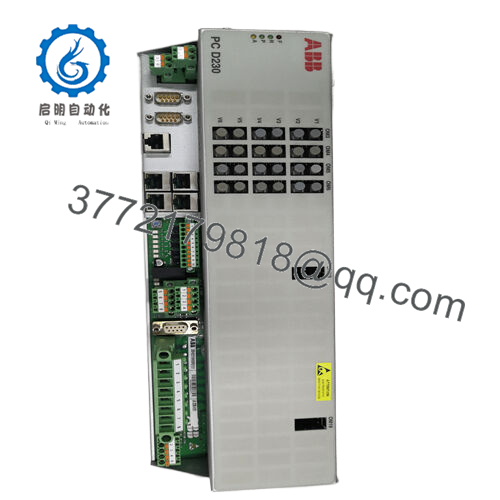
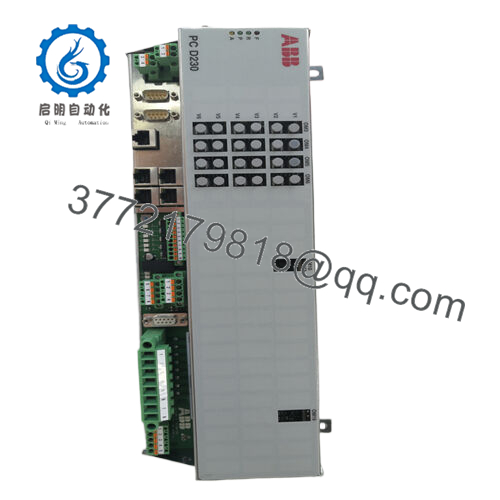
| Model Number | PCD231 |
| Product Type | Digital I/O Interface Module |
| Operating Voltage | 24 V DC |
| Mounting Method | PLC backplane rack |
| Signal Type | Industrial digital control signals |
| Interface Method | System backplane communication |
| Operating Temperature | 0 to 60 °C |
| Storage Temperature | −20 to +70 °C |
| Status Indicators | LED diagnostic indicators |
| Typical Application | Industrial automation / PLC signal control |
| Lifecycle Status | Mature product; controlled surplus supply |
4. Product Introduction & Supply Chain Strategy
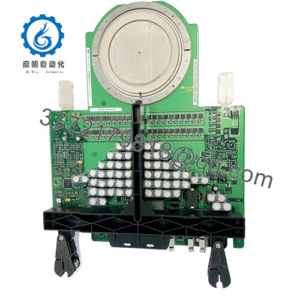
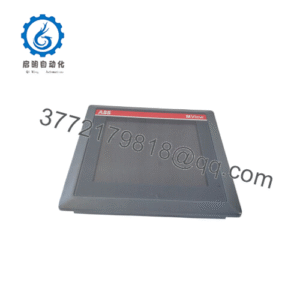
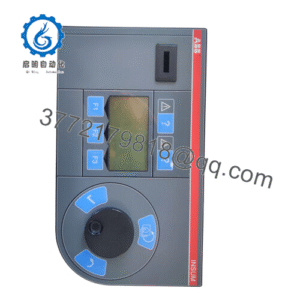
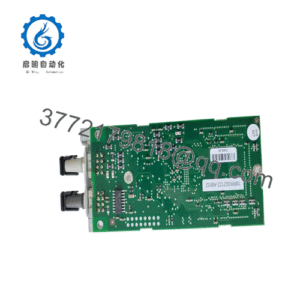
The ABB PCD231 is a PLC digital interface module used in ABB industrial automation platforms to process discrete input/output signals between field devices and the control processor. It mounts directly into the PLC rack backplane and communicates with the controller through the system bus.
This product is a Brand New Surplus unit. It is not used, not pulled from a decommissioned plant, and not refurbished. Strategic stocking of this module protects plants from downtime risk because legacy automation components often experience long lead time variability once OEM production slows. Holding limited buffer stock (1–2 units) reduces stock-out incidents and lowers Total Cost of Ownership compared with emergency procurement during failures.

- PCD23
5. Installation & Configuration Guide
Stage 1 — Pre-Installation (Prep & Safety)
- Apply lock-out/tag-out (LOTO) to the control cabinet power source.
- Wear a grounded ESD wrist strap before touching the module.
- Photograph the existing module’s DIP switches, wiring layout, and slot position.
- Verify the 24 V DC supply rail and ensure at least 20% power margin.
Stage 2 — Removal
- Release the rack locking clips or retention screws.
- Pull the module straight outward using even pressure on both sides.
- Avoid rocking the module; this prevents bending backplane connector pins.
Stage 3 — Installation (Clone & Seat)
- Replicate the original module’s DIP switch configuration exactly.
- Align the module with the rack guides.
- Slide the module into the slot until the backplane connector seats firmly.
- Secure the retention clip or mounting screws.
Stage 4 — Power-On & Testing
- Restore cabinet power.
- Check module LEDs: RUN = normal operation, ERR = configuration fault.
- Confirm PLC recognizes the module in the I/O configuration table.
- Perform signal tests to verify field input/output channels respond correctly.
6. Firmware/Software Versions & Upgrade Notes
- Recommended firmware: Match the version used in the existing PLC system configuration.
- Firmware mismatches can cause I/O mapping errors or communication timeouts.
- Example risk scenario: upgrading from V2.x to V3.x firmware may require updated drivers in the PLC engineering software.
- During hardware replacement, the safest method is firmware parity with the original module.
- Upgrading firmware during a field swap increases integration risk and should only be performed during a scheduled maintenance window.
7. Frequently Asked Questions (FAQ)
Q1: Are these modules really new if they are called “surplus”?
Yes. New Surplus means the module was manufactured by ABB but remained unused in industrial inventory channels. The unit shows zero wear on connectors, no solder repairs, and original OEM manufacturing quality.
Q2: Why is the price lower than buying directly from the OEM?
OEM list pricing includes manufacturing overhead and distribution layers. Surplus inventory already exists in the supply chain, allowing pricing 20–30% below OEM list while remaining completely new.
Q3: Why not buy a cheaper refurbished module?
Refurbished electronics often contain aged capacitors and relays. A failed control module can trigger an unexpected shutdown. Plants frequently lose tens of thousands of dollars per hour in downtime.
Q4: Is the ABB PCD231 still in active production?
The lifecycle status is mature/legacy. Supply depends on global surplus channels. Plants running ABB legacy control platforms should maintain buffer stock or plan a last-time-buy strategy.
Q5: Can the module be hot-swapped?
Hot swapping is not recommended unless the PLC rack explicitly supports it. Removing the module under power may damage the backplane communication bus.
Q6: Will the PLC program remain intact after replacement?
Yes. The control program is stored in the PLC CPU, not in the I/O module. However, verify the module configuration within the PLC hardware setup.
Q7: What warranty coverage is included?
Each module includes a 12month warranty covering manufacturing defects, along with serial traceability and QC inspection documentation before shipment.