 WhatsApp: +86 16626708626
 Email:
  Phone: +86 16626708626
Description
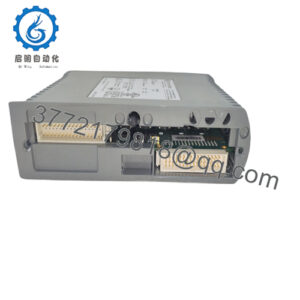
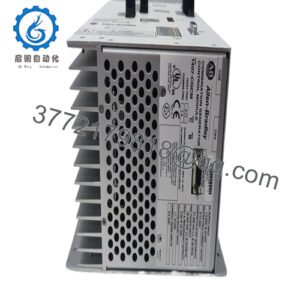
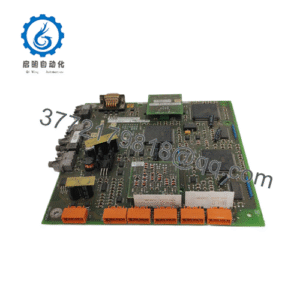
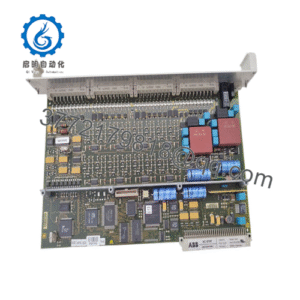
The challenge in modern robotics and high-speed industrial automation is maintaining absolute synchronization between the controller’s logic and the physical motion of the arm. In complex multi-axis environments, even a millisecond of signal drift can lead to positioning errors, mechanical stress, or catastrophic collisions. This is where the ABB PTPU-02 3HNA023148-001 becomes a critical component of the control architecture. Designed as a specialized Power Train Protocol Unit, it serves as the essential communication bridge within the IRC5 controller family.
When an engineer is faced with a system that requires high reliability and rapid data exchange across the drive system, the ABB PTPU-02 3HNA023148-001 solves the problem of “islanding” data. Without a robust protocol unit, the flow of I/O signal data between the main CPU and the drive modules can become a bottleneck. This unit is engineered to ensure that process control instructions are delivered with the deterministic timing required for precision welding, assembly, and material handling. By providing a stable interface for the power train’s internal bus, it minimizes the risk of communication faults that lead to unplanned downtime. In the world of industrial automation, where every second of “up-time” translates directly to ROI, the ABB PTPU-02 3HNA023148-001 provides the underlying system stability that allows high-performance robots to operate at their theoretical limits without compromising safety or accuracy.
The ABB PTPU-02 3HNA023148-001 functions as a high-level intermediary within the IRC5 control cabinet, typically positioned between the main computer and the drive system’s backplane. It is not merely a passive connector; it is an active participant in the I/O architecture, managing the specific protocols required to translate logical commands into physical motion parameters. By offloading the communication overhead from the main processor, the ABB PTPU-02 3HNA023148-001 allows for faster cycle times and more responsive error handling.
In a standard automation stack, this module interacts directly with the drive units and the safety board. It supports the rigorous internal bus communication protocols that ABB utilizes to maintain “TrueMove” and “QuickMove” motion control technologies. Because it sits at the heart of the robot’s electronic nervous system, the ABB PTPU-02 3HNA023148-001 is equipped with onboard diagnostic capabilities. These allow the controller to monitor the health of the power train communication in real-time. If a signal integrity issue arises—whether due to electromagnetic interference or a loose physical connection—this unit identifies the fault, allowing the system to execute a controlled stop rather than a chaotic failure. Its integration into the backplane is seamless, adhering to the modular philosophy of the IRC5, which simplifies both the initial commissioning of the robot and any subsequent hardware expansions.
| Specification | Details |
| Model Number | PTPU-02 3HNA023148-001 |
| Brand | ABB |
| Type | Power Train Protocol Unit |
| Input Voltage | 24V DC (Internal Bus Powered) |
| Operating Temp Range | 5°C to 50°C (41°F to 122°F) |
| Mounting Style | Rack/Cabinet Integrated |
| Dimensions | Approximately 150mm x 120mm x 30mm |
| Weight | 0.45 kg |
| Interface/Bus | ABB Internal Drive Bus / Ethernet-based |
| Compliance | CE, RoHS, UL Listed |
| Supported Protocols | ABB Proprietary Motion Bus |
| Typical Power Draw | < 10W |
Choosing the ABB PTPU-02 3HNA023148-001 provides an immediate boost to the performance consistency of the robotic cell. Because it is engineered specifically for the ABB ecosystem, it eliminates the compatibility “guesswork” that often plagues mixed-vendor environments. The primary value for a maintenance engineer is the reduction in engineering overhead during troubleshooting. Since the module is designed with transparent diagnostics, identifying whether a fault lies in the software logic or the physical communication layer becomes a straightforward task.
Furthermore, the ABB PTPU-02 3HNA023148-001 ensures long-term performance by providing high immunity to the electrical noise common in industrial settings. In environments where heavy-duty motors and high-frequency welders are operating in close proximity, signal reliability is paramount. This unit utilizes advanced shielding and signal conditioning to ensure that the “noise” of the factory floor doesn’t translate into “jitters” in the robot’s movement. By maintaining this high-fidelity link, the module protects the mechanical components of the robot from the jerky motions and vibrations caused by dropped data packets.
Ultimately, the ABB PTPU-02 3HNA023148-001 is about peace of mind and precision. It allows the system to maintain its calibration over millions of cycles, reducing the frequency of manual recalibrations and preventing premature wear on the gearboxes and motors. When you integrate this unit, you aren’t just adding a board; you are reinforcing the reliability of the entire production line.
The ABB PTPU-02 3HNA023148-001 is predominantly found in high-stakes process control environments where accuracy is non-negotiable. A classic use case is in automotive body-in-white (BIW) lines. Here, robots equipped with the ABB PTPU-02 3HNA023148-001 perform thousands of spot welds with sub-millimeter precision. The high data-cycle speed of the unit ensures that the robot can adjust its path in real-time based on sensor feedback, which is essential for maintaining critical system uptime in a 24/7 manufacturing facility.

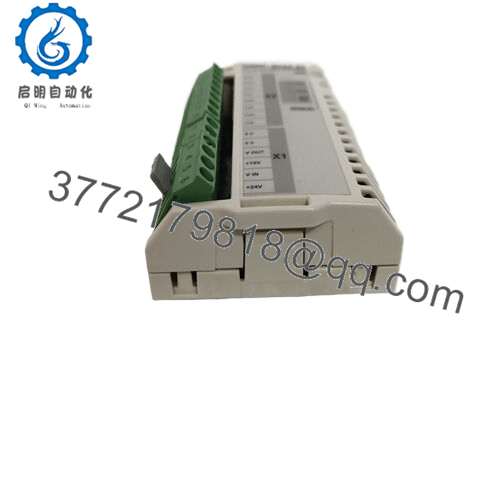
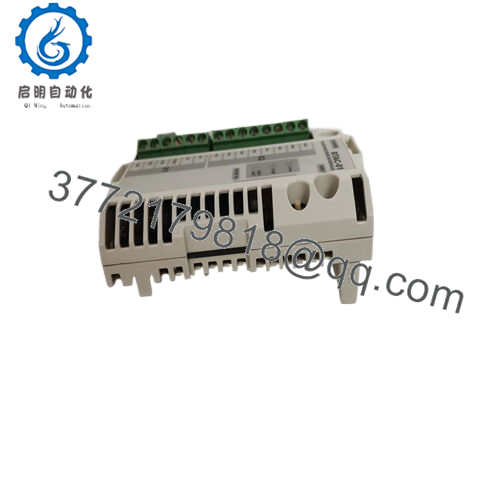
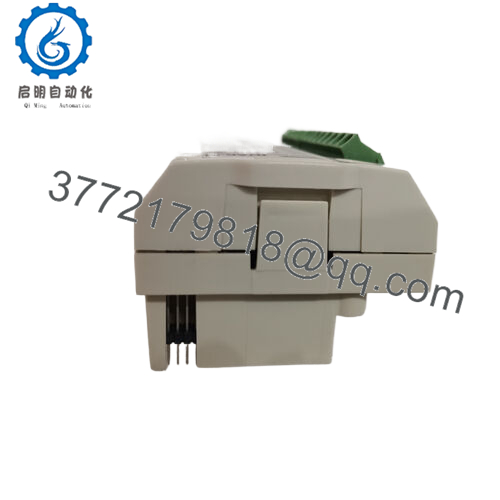
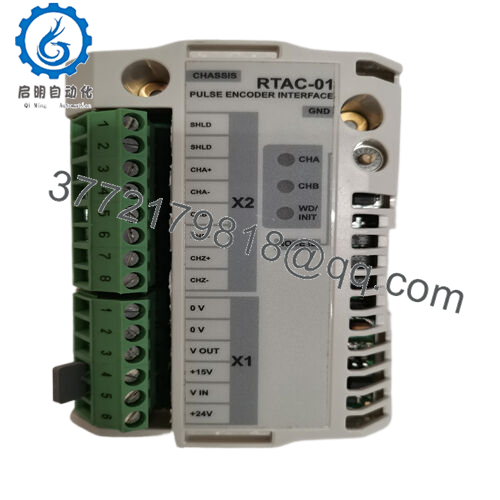
- PTPU-02 3HNA023148-001
Another common application is in the aerospace industry for carbon fiber layup or precision drilling. These tasks involve harsh conditions and require the robot to maintain extreme rigidity and path accuracy. The ABB PTPU-02 3HNA023148-001 manages the complex synchronization required between multiple axes of motion to ensure that every drill hole is perfectly perpendicular and every layer of material is placed without air gaps. Whether used in power plants for remote maintenance or in food and beverage for high-speed palletizing, the ABB PTPU-02 3HNA023148-001 is the preferred choice for engineers who cannot afford a communication breakdown.
3HNA012112-001 – Standard protocol unit for legacy IRC5 configurations
3HNA024746-001 – Advanced communication module with enhanced diagnostic LEDs
3HNA023149-001 – Complementary power distribution board for drive modules
DSQC 668 – Main processor unit often paired with the PTPU-02
DSQC 663 – Drive unit interface for multi-axis synchronization
3HNA011112-001 – Older generation communication interface for M2000 systems
Before installing the ABB PTPU-02 3HNA023148-001, it is vital to verify the firmware compatibility of your IRC5 controller. A mismatch between the RobotWare version and the protocol unit hardware can lead to initialization errors. Always ensure the cabinet power is fully discharged before seating the module into the backplane, as hot-swapping can damage sensitive CMOS components. Check the physical alignment of the pins to avoid bent connectors, which are a common cause of intermittent communication “ghost” faults.
Ongoing maintenance for the ABB PTPU-02 3HNA023148-001 is relatively low-touch but essential. A quarterly visual inspection of the status LEDs can provide early warning of bus congestion or signal degradation. We recommend a yearly check of the cooling fans within the controller cabinet; since this module processes high volumes of data, it relies on steady airflow to prevent thermal throttling. If the robot operates in a high-vibration environment, ensure that the mounting screws remain torqued to spec to prevent micro-interruptions in the connection.