 WhatsApp: +86 16626708626
 Email:
  Phone: +86 16626708626
Description
3. Key Technical Specifications
| Parameter | Value |
|---|---|
| Communication Protocol | Profibus DP |
| Supply Voltage | 24 V DC |
| Current Consumption | Approx. 150 mA |
| Interface Type | Serial fieldbus interface |
| Mounting | DIN rail |
| Operating Temperature | 0 to +55 °C |
| Storage Temperature | −25 to +70 °C |
| Isolation | Galvanic isolation between bus and system |
| Compatibility | ABB Advant Controller 400 series |
| LED Indicators | Power, Bus Status, Error |
| Dimensions | Standard ABB module form factor |

- RF533 3BSE014227R1
4. Product Introduction & Supply Chain Strategy
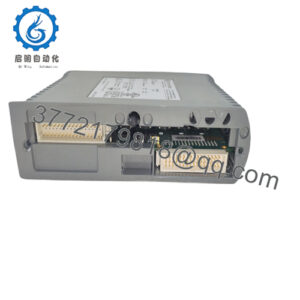
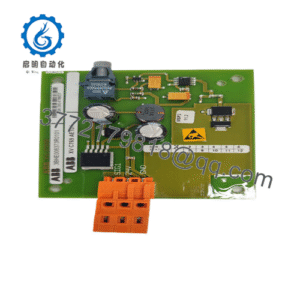
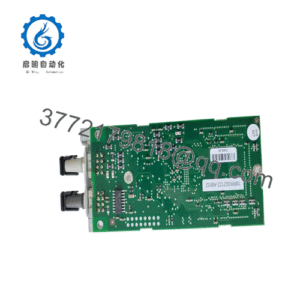
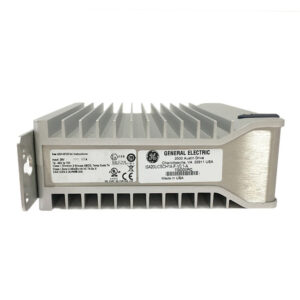
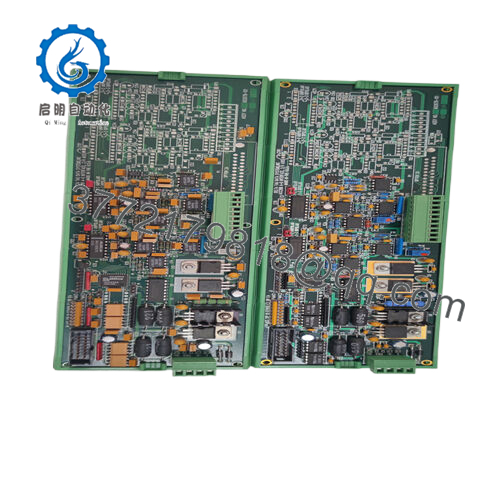
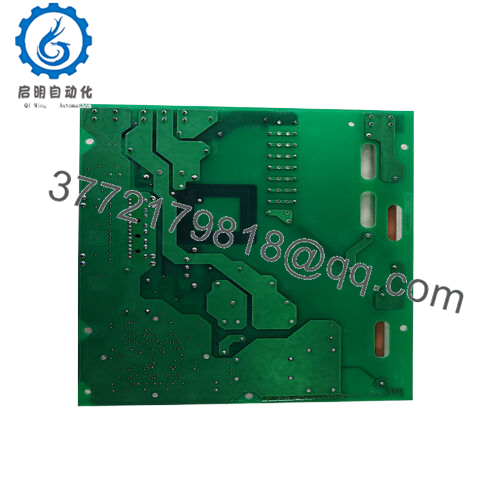
The ABB RF533 3BSE014227R1 is a Profibus DP communication interface module designed for integration within Advant Controller 400 systems. It enables deterministic data exchange between the controller and distributed I/O devices, supporting stable fieldbus communication in process automation environments.
From a supply-chain perspective, this is a legacy communication module with increasing lead time variability. Securing New Surplus inventory reduces exposure to system downtime and avoids the reliability risks associated with secondary-market parts. The Total Cost of Ownership (TCO) favors proactive buffer stock, especially before formal EOL announcements trigger last-time-buy pressure.
5. Installation & Configuration Guide
Stage 1: Pre-Installation (Prep & Safety)
- Execute lock-out/tag-out (LOTO) procedures on the control cabinet.
- Use an ESD wrist strap and grounded work surface.
- Photograph existing module DIP switch settings and field wiring.
- Verify 24 V DC power supply capacity with at least 20% buffer.
Stage 2: Removal
- Release DIN rail locking clip carefully.
- Pull the module straight out—avoid lateral force to prevent backplane pin misalignment.
- Label all connected fieldbus cables before removal.
Stage 3: Installation (Clone & Seat)
- Replicate DIP switch/node address settings exactly from the original module.
- Seat the RF533 firmly onto the DIN rail until locking tab engages.
- Reconnect Profibus cable with proper shielding and grounding.
Stage 4: Power-On & Testing
- Energize the system and monitor LED indicators (Power = steady, Bus = active, Error = off).
- Validate communication handshake with the PLC/DCS.
- Perform I/O scan verification and confirm no bus faults.
6. Firmware/Software Versions & Upgrade Notes
- Recommended Firmware: Match existing system firmware revision (typically aligned with Advant Controller firmware baseline).
- Compatibility Note: Firmware mismatches between controller and communication modules can cause Profibus timeout errors.
- Critical Warning:
- Upgrading firmware during replacement may introduce protocol inconsistencies.
- Downgrading without verifying compatibility tables can block communication startup.
- Always document the original module firmware before removal and maintain version parity during installation.
7. Frequently Asked Questions (FAQ)
Q1: Is this unit truly new or surplus stock?
Yes. This product is a Brand New Surplus unit. It is not used, not pulled from a decommissioned plant, and not refurbished. It retains original manufacturing integrity, including untouched connectors and no field wear.
Q2: Why is the price higher than secondary-market listings?
Refurbished units often contain aged internal components. A minor upfront saving can result in major downtime costs. New Surplus inventory delivers longer service life and predictable reliability, reducing total lifecycle cost.
Q3: Is the RF533 considered obsolete or near EOL?
Yes. It is part of a legacy ABB platform. Lead time variability is increasing, and proactive last-time-buy planning is recommended to avoid future stock-outs.
Q4: Can this module be hot-swapped?
No. Always power down the system before replacement. Hot-swapping risks bus communication faults and potential hardware damage.
Q5: Will I lose configuration or programming during replacement?
No internal program is stored in this module. However, communication parameters (node address, baud rate) must match exactly via DIP switch settings.
Q6: What warranty is provided?
Typically 12months. Each unit includes QC verification, functional testing, and traceability documentation.
Q7: What stocking strategy do you recommend?
For critical communication modules like RF533, maintain 1–2 units as buffer stock onsite. For multi-plant operations, consider cross-site sharing to reduce capital tied in slow-moving inventory while maintaining availability.