 WhatsApp: +86 16626708626
 Email:
  Phone: +86 16626708626
Description
2. Product Core Brief
- Model: UFC911B108 (3BHE037864R0108)
- Brand: ABB
- Series: ABB UFC Control Module Platform
- Core Function: Industrial automation processor and signal controller
- Product Type: Processor module / control interface board
- Key Specs: Advant Fieldbus 100 communication | Up to 5,700 I/O points | 24 V DC control supply
- Condition: New Original / New Surplus
- Inventory Status: Mature lifecycle industrial module; strategic buffer stock recommended to prevent stock-outs
3. Key Technical Specifications
| Parameter | Value |
|---|---|
| Manufacturer | ABB |
| Model | UFC911B108 |
| Order Number | 3BHE037864R0108 |
| Product Type | Industrial control processor module |
| Control Function | Signal processing and system data management |
| Communication | Advant Fieldbus 100 industrial network |
| I/O Capacity | Supports up to 5,700 combined I/O points |
| Power Supply | 24 V DC control power |
| Rated Current | Up to 10 A module capacity |
| Protection Rating | IP20 cabinet installation |
| Operating Temperature | −25 to +55 °C |
| Storage Temperature | −40 to +70 °C |
| Mechanical Size | Approx. 12.4 × 12.6 × 2.2 cm |
| Weight | Approx. 0.2–0.3 kg |
| Mounting | Rack / control cabinet installation |
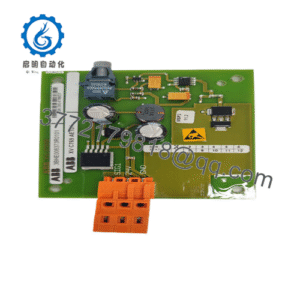
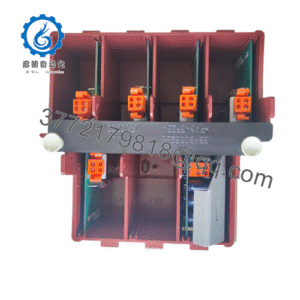
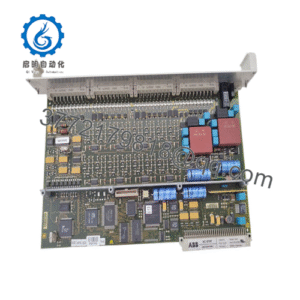
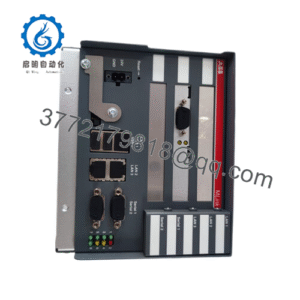
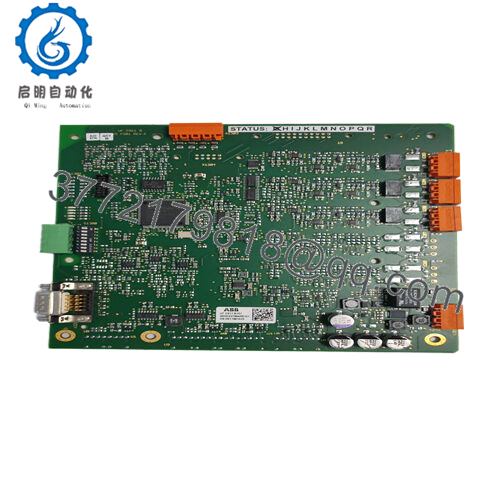
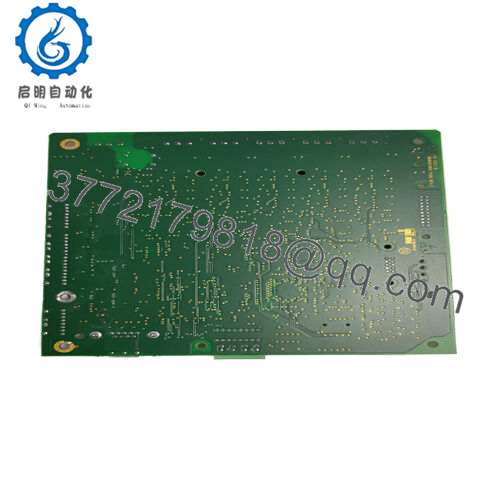
The UFC911B108 processor module is designed to manage digital and analog signal processing within industrial control systems and supports high-speed communication via Advant Fieldbus networks.

- UFC911B108 3BHE037864R0108
4. Product Introduction & Supply Chain Strategy
The ABB UFC911B108 (3BHE037864R0108) is a processor and control interface module used in industrial automation and distributed control architectures. It manages real-time signal processing, system data handling, and communication across control networks such as Advant Fieldbus. Plants commonly deploy this module in power generation systems, DCS platforms, and heavy process automation environments.
This product is a Brand New Surplus unit. It is not used, not pulled from a decommissioned plant, and not refurbished. All modules undergo rigorous quality verification to ensure OEM-level reliability. For legacy ABB systems, maintaining controlled buffer stock reduces exposure to lead time variability and emergency procurement. From a Total Cost of Ownership (TCO) perspective, securing verified New Surplus inventory avoids the failure risks and short warranties commonly associated with refurbished electronics.
5. Installation & Configuration Guide
Stage 1 — Pre-Installation (Prep & Safety)
- Perform lock-out/tag-out on the control cabinet power supply.
- Wear a grounded ESD wrist strap and prepare an anti-static work surface.
- Photograph the existing module’s slot position, DIP switches, and field wiring.
- Confirm part number UFC911B108 / 3BHE037864R0108 matches the original module revision.
Stage 2 — Removal
- Shut down the controller rack completely.
- Release front locking screws or retention clips.
- Pull the module straight out using even pressure to avoid backplane connector damage.
- Store the removed module in an ESD bag for documentation and traceability.
Stage 3 — Installation (Clone & Seat)
- Replicate all DIP switch and jumper settings from the previous board.
- Align the module with rack guide rails.
- Insert the board slowly until the backplane connector seats firmly.
- Secure mounting screws and verify mechanical stability.
Stage 4 — Power-On & Testing
- Restore system power and verify 24 V DC control rail stability.
- Observe module LEDs for RUN status without ERR indicators.
- Confirm network communication via Advant Fieldbus diagnostics.
- Verify system I/O mapping and controller communication.
6. Firmware / Software Versions & Upgrade Notes
- Recommended Strategy: Maintain the same firmware revision as the replaced module to avoid controller communication mismatches.
- Compatibility Note: Certain firmware revisions may require matching versions of the ABB control platform drivers used in Advant Fieldbus systems.
- Upgrade Risk: Performing a firmware upgrade during hardware replacement increases troubleshooting complexity. Perform hardware replacement first, then evaluate firmware updates once stable communication is confirmed.
- Documentation Practice: Always record firmware revision and configuration parameters before removing the original module.
7. Frequently Asked Questions (FAQ)
Q1: Are these modules truly new if they are labeled “New Surplus”?
Yes. New Surplus means the hardware is original OEM production that remained unused in controlled inventory. There is no field wear, no repaired traces, and no solder rework.
Q2: Why is the price higher than refurbished units but lower than OEM factory pricing?
Refurbished units typically contain aging components such as capacitors or relays. New Surplus modules are unused OEM hardware sourced from global surplus inventories. Pricing reflects authenticity and reliability without full OEM list markup.
Q3: Is this module considered obsolete?
The UFC series belongs to earlier ABB automation platforms. Many installations still operate these systems, but replacement parts have limited production availability, making strategic stocking advisable.
Q4: Can the UFC911B108 be hot-swapped?
No. Most ABB control racks do not support hot swapping for processor modules. Always power down the rack before installation.
Q5: Will replacing this module erase the controller program?
No. The main control logic normally resides in the system controller or external storage. However, record DIP switch configuration and firmware revisions to maintain system compatibility.
Q6: What warranty is typically included with New Surplus units?
Most suppliers provide a 12 month functional warranty,
Q7: Why avoid refurbished control modules in critical systems?
Refurbished electronics may contain aging components that pass initial testing but fail under continuous operation. One unexpected failure in a turbine or process line can trigger downtime costing tens of thousands of dollars—far exceeding the purchase price difference.