 WhatsApp: +86 16626708626
 Email:
  Phone: +86 16626708626
Description
2. Product Core Brief
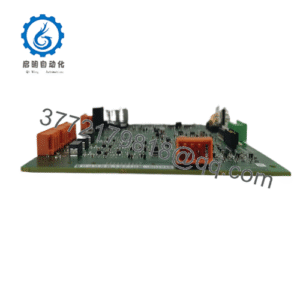
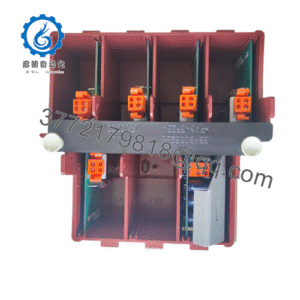
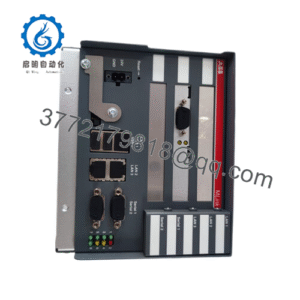
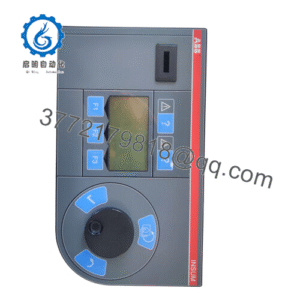
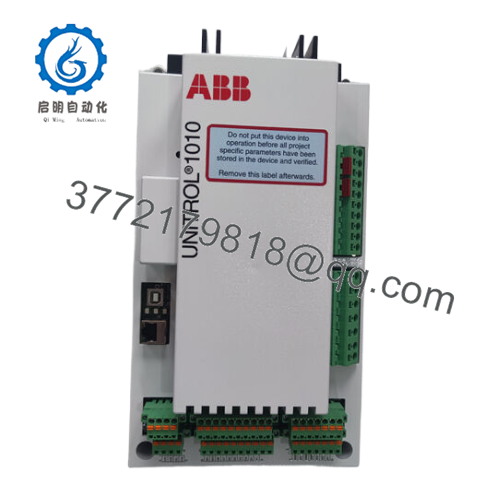
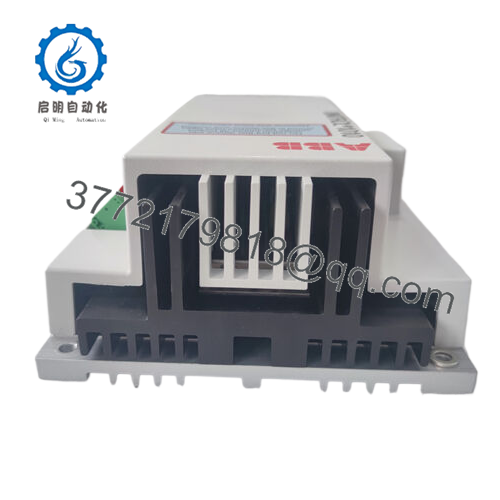
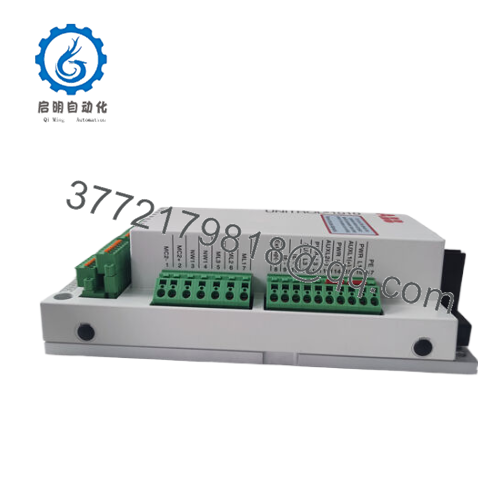
- Model: UNITROL1010 (3BHE035301R1002)
- Brand: ABB
- Series: UNITROL 1000 Generator Excitation System
- Core Function: Regulates generator output voltage
- Product Type: Automatic Voltage Regulator (AVR) controller
- Key Specs: Digital AVR control | Generator excitation management | Integrated protection functions
- Condition: New Original / New Surplus
- Inventory Status: Critical power-generation component; maintain on-site buffer stock due to limited production cycles
3. Key Technical Specifications
| Parameter | Value |
|---|---|
| Manufacturer | ABB |
| Model | UNITROL1010 |
| Order Number | 3BHE035301R1002 |
| Product Type | Automatic Voltage Regulator (AVR) |
| System Platform | UNITROL 1000 excitation control system |
| Primary Function | Generator voltage and excitation regulation |
| Control Method | Digital AVR control algorithms |
| Communication | Industrial communication interface for plant control integration |
| Power Supply | 24 V DC control supply |
| Protection Functions | Over-excitation, under-excitation, voltage regulation protection |
| Operating Temperature | −20 to +60 °C |
| Mounting | Panel or cabinet installation |
| Application | Generator excitation control in power plants |

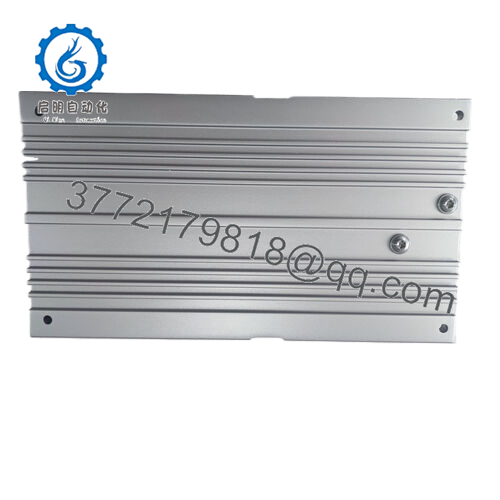
- UNITROL1010 3BHE035301R1002
4. Product Introduction & Supply Chain Strategy
The ABB UNITROL1010 (3BHE035301R1002) is an automatic voltage regulator used in generator excitation systems. It monitors generator output voltage and adjusts field excitation current to maintain stable voltage levels. Power plants, turbine generator stations, and industrial cogeneration facilities deploy this controller to maintain grid stability and protect rotating equipment.
This product is a Brand New Surplus unit. It is not used, not pulled from a decommissioned plant, and not refurbished. All modules undergo rigorous quality verification to ensure OEM-level reliability. In generator control environments, spare availability directly impacts plant uptime. Maintaining 1–2 units of buffer stock mitigates lead time variability and prevents emergency shutdown risk. Compared with refurbished hardware, verified New Surplus inventory delivers lower lifecycle risk and stronger Total Cost of Ownership (TCO).
5. Installation & Configuration Guide
Stage 1 — Pre-Installation (Prep & Safety)
- Perform lock-out/tag-out on the generator control cabinet.
- Verify generator excitation circuits are de-energized.
- Wear a grounded ESD wrist strap before handling electronics.
- Photograph terminal wiring, parameter settings, and DIP switches on the existing controller.
Stage 2 — Removal
- Power down the UNITROL control rack or panel.
- Disconnect signal and power connectors carefully.
- Release mounting screws or rail locks.
- Remove the controller slowly to avoid connector damage.
Stage 3 — Installation (Clone & Seat)
- Install the replacement controller into the same panel position.
- Replicate parameter settings, DIP switches, and wiring configuration exactly.
- Reconnect all communication and excitation control connections.
- Secure mounting screws to prevent vibration.
Stage 4 — Power-On & Testing
- Restore the 24 V control supply.
- Verify controller startup indicators show normal RUN status.
- Confirm generator voltage feedback signals are reading correctly.
- Perform AVR functional test under supervision before returning the generator to service.
6. Firmware / Software Versions & Upgrade Notes
- Recommended Firmware Practice: Maintain the same firmware revision as the original UNITROL controller during replacement.
- Compatibility Warning: Firmware changes may affect excitation control algorithms or communication with plant DCS systems.
- Upgrade Risk: Avoid firmware upgrades during emergency replacement. Stabilize hardware first, then evaluate firmware updates during scheduled maintenance.
- Documentation: Record parameter configuration, firmware revision, and control settings before removing the original unit.
7. Frequently Asked Questions (FAQ)
Q1: Are these UNITROL1010 controllers actually new?
Yes. These units are New Surplus—original OEM production that has never been installed in a field system. Internal components, connectors, and boards have zero operational wear.
Q2: Why does New Surplus pricing differ from factory OEM pricing?
OEM list prices reflect direct factory procurement. New Surplus inventory is sourced from verified industrial supply channels, offering genuine hardware at lower acquisition cost while maintaining original condition.
Q3: Is the UNITROL1010 considered a critical spare?
Yes. AVR controllers are mission-critical components in generator excitation systems. Plants normally maintain at least one on-site spare to avoid extended outages.
Q4: Can this AVR be replaced while the generator is running?
No. Always shut down and isolate the excitation system before replacing the controller to prevent damage or unsafe generator conditions.
Q5: Will replacing the controller erase generator parameters?
Some parameters may reside in the controller memory. Always record configuration settings before removal and re-apply them after installation.
Q6: What warranty coverage is typical for New Surplus units?
Most suppliers provide 12months functional warranty, much longer than the limited coverage typically offered with refurbished controllers.
Q7: Why avoid refurbished AVR controllers?
Voltage regulators operate continuously in generator control loops. Refurbished electronics may contain aging capacitors or relays that fail under load, potentially forcing a generator trip and unplanned outage—costing far more than the price difference between new and refurbished units.