 WhatsApp: +86 16626708626
 Email:
  Phone: +86 16626708626
Description
In legacy industrial drive systems, maintaining precise control over motor speed, torque, and system feedback is essential for operational efficiency, equipment protection, and consistent performance in variable load conditions. Outdated or unreliable control boards can lead to instability, excessive downtime from faults, or inefficient energy use in high-power applications like extruders, pumps, or conveyors. The GE 531X100CCHAMM1 addresses this by providing a robust auxiliary control card specifically engineered for GE’s DC300 series drives, delivering dependable microprocessor-based regulation in demanding environments.
Engineers often face challenges in sustaining older DC drive installations where component aging, electromagnetic interference, or parameter drift impacts process control reliability. The GE 531X100CCHAMM1 becomes critical in these situations, functioning as a core control assembly that manages inner current loops, signal conditioning, and interface logic for armature and field control. It supports high-reliability operation with built-in diagnostics and configurable jumpers, ensuring stable I/O signals and reducing risks of unscheduled stops in industrial automation. By integrating seamlessly into the drive chassis, it helps preserve critical system uptime while allowing straightforward upgrades or repairs without full system overhauls. Whether dealing with continuous duty in manufacturing or harsh conditions in materials processing, the GE 531X100CCHAMM1 offers the proven durability needed for long-term performance in process control environments.
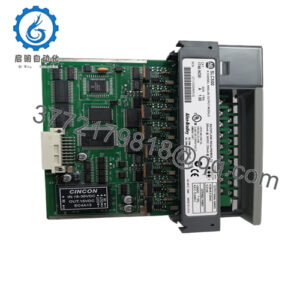
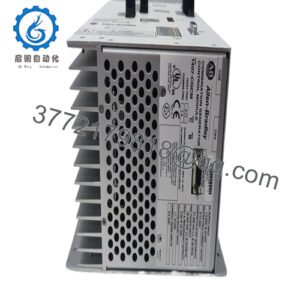
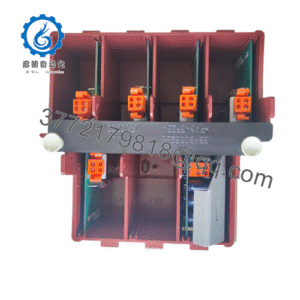
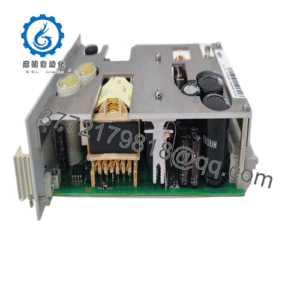
The GE 531X100CCHAMM1 serves as an auxiliary microprocessor control card within GE DC300 and similar general-purpose drive systems, typically mounted directly in the drive’s card rack or chassis alongside power supplies, relay boards, and signal processors. It handles primary drive regulation tasks, including current limiting, voltage feedback processing, and coordination with operator interfaces or external logic.
In a standard setup, the module connects via edge connectors or ribbon cables to adjacent boards like power connection cards or drive terminals, facilitating data exchange for closed-loop control. It supports features such as jumper-configurable options for scaling, fault latching, and interface modes, allowing adaptation to specific armature/field configurations. Diagnostic LEDs or test points provide runtime status visibility, while integrated circuits manage timing, amplification, and protection logic. The GE 531X100CCHAMM1 fits naturally into the drive’s modular architecture, bridging operator controls to power stages without additional gateways, and aligns with other 531X series boards for cohesive, high-reliability performance in distributed or standalone drive applications.

- 531X100CCHAMM1
| Specification | Details |
|---|---|
| Model Number | 531X100CCHAMM1 |
| Brand | GE (General Electric) |
| Type | Auxiliary Control Card |
| Input Voltage | 5V-24V DC (from drive supply) |
| Operating Temp Range | 0°C to 60°C |
| Mounting Style | Drive chassis/rack mount |
| Dimensions | Approx. 200 x 150 x 30 mm |
| Weight | Approx. 0.6 kg |
| Interface/Bus | Edge connectors / ribbon |
| Compliance | UL, suitable for industrial use |
| Supported Protocols | Proprietary drive interface |
| Typical Power Draw | <10W |
Choosing the GE 531X100CCHAMM1 means investing in a component engineered for enduring stability in legacy DC drive systems, where its rugged design withstands electrical noise and thermal stress common in industrial settings. This ensures consistent regulation without the drift or failures that affect lesser replacements, supporting smoother torque delivery and reduced mechanical wear.
Integration benefits include minimal engineering overhead—jumpers and connectors allow quick adaptation to existing wiring, avoiding extensive rewrites or custom interfacing. In extended use, the card’s fault-handling and self-diagnostic elements promote maintenance efficiency, enabling teams to resolve issues rapidly through LED indicators or basic multimeter checks. Overall, the GE 531X100CCHAMM1 contributes to long-term performance reliability, lower operational risks, and sustained uptime in environments prioritizing high-reliability drive control.
The GE 531X100CCHAMM1 is commonly deployed in heavy industrial sectors requiring robust DC motor control under continuous loads, such as metals processing where it regulates rolling mills or coilers amid high vibration and dust for critical system uptime. In pulp and paper or plastics extrusion, it manages variable speed drives for winders and pumps, handling harsh conditions with temperature extremes and chemical exposure.
Materials handling systems—like cranes or large conveyors—also rely on it for precise torque limiting and feedback processing, ensuring fast response cycles and high-reliability operation in electrically noisy plants demanding minimal downtime.
531X100CCHAPM1 – Similar auxiliary control variant for alternate configurations
531X100CCHARM1 – Related revision with comparable core functions
531X300CCHAGM5 – Higher-series control assembly for expanded applications
531X301DCCADM1 – Drive control card often paired for main regulation
531X309SPCAJG1 – Signal processor board for complementary feedback handling
531X121PCRALG1 – Power connection card for interfacing power stages
531X111PSHACG1 – Motor field power supply module in same family
Before installing the GE 531X100CCHAMM1, confirm compatibility with your DC300 or equivalent drive chassis by checking edge connector alignment and revision notes. Verify jumper settings against the drive manual for your specific armature/field setup, and ensure drive power is fully isolated to prevent damage during insertion. Inspect ribbon cables for integrity and plan adequate clearance for airflow in the rack.
For maintenance, regularly check edge connectors for oxidation or looseness, particularly in humid environments, and monitor any onboard LEDs during routine drive inspections for fault indications. Dust accumulation should be gently removed with compressed air annually, and functional tests via the drive’s diagnostic mode can confirm regulation accuracy. Keep a log of any intermittent errors for early trend detection. This disciplined, low-effort routine supports reliable operation over the card’s extended lifespan.