 WhatsApp: +86 16626708626
 Email:
  Phone: +86 16626708626
Description
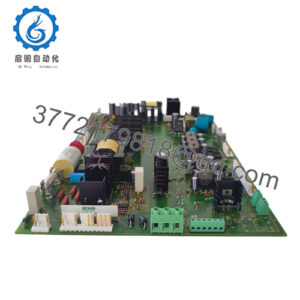
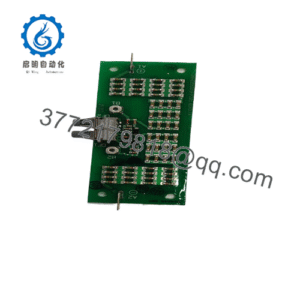
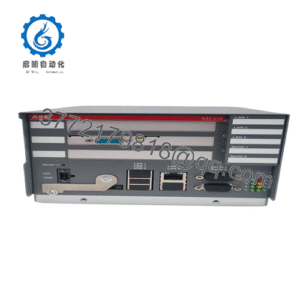
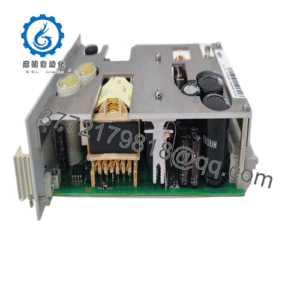
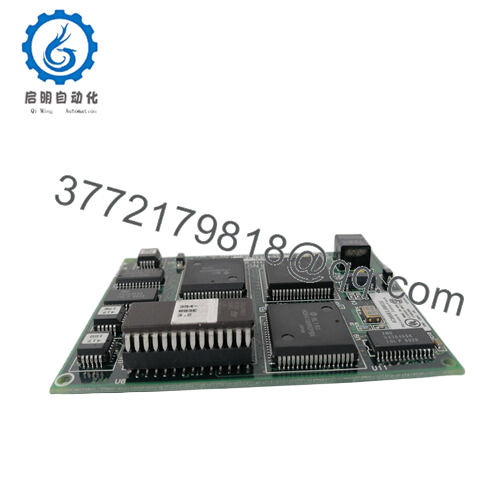
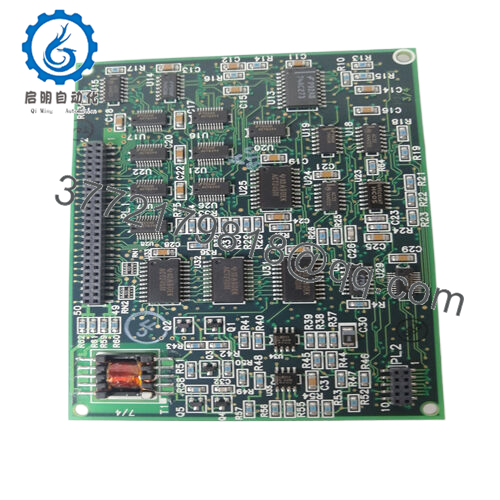
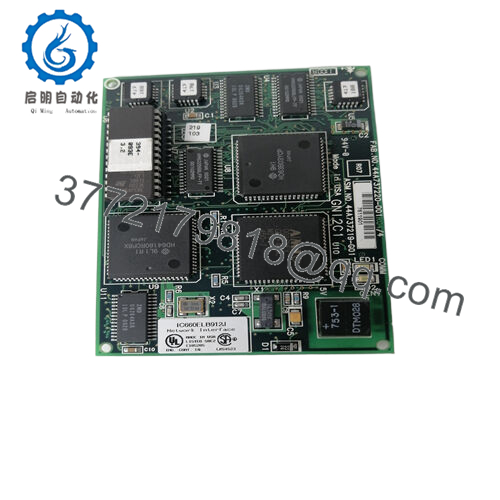
The GE IC600CB536M (a revision or suffix variant of the base IC600CB536, often with -M indicating manufacturing updates, conformal coating, or specific firmware in legacy listings) solves the longstanding need for robust, multi-protocol serial communications in mid-to-large industrial automation systems built around the Series Six PLC platform. In older facilities running GE Fanuc Series Six controllers — common in power generation, manufacturing, or process industries from the 1980s–2000s — connecting to HMIs, data loggers, modems, other PLCs, or host computers often required dedicated hardware that could handle multiple asynchronous links without overloading the main CPU. GE IC600CB536M addresses this as a dedicated Communications Control Module Type 2 (CCM2), offloading serial protocol management and data buffering to maintain deterministic PLC scan times while enabling reliable, high-speed data exchange over RS-232/RS-422/RS-485 networks. It’s especially essential in applications demanding high reliability multi-drop configurations, remote telemetry, or integration with legacy devices where native Ethernet wasn’t available — preventing communication bottlenecks, dropped messages, or CPU overload that could disrupt process control loops or sequencing.
GE IC600CB536M installs as a plug-in module in the Series Six rack (typically in dedicated communication slots), acting as an intelligent co-processor for serial I/O and protocol handling. It supports up to four independent serial channels (configurable for RS-232, RS-422, or RS-485 multidrop), managing protocols like CCM (Communications Coprocessor Mode), Modbus RTU Master/Slave, or custom ASCII/binary messaging via firmware configuration. The module buffers incoming/outgoing data, performs error checking (parity, CRC), and handles flow control (XON/XOFF or RTS/CTS), freeing the main CPU for logic execution. It interfaces via the standard Series Six backplane, drawing power from the rack supply, and uses jumpers or PROM sets for channel setup (baud rates up to 19.2 kbps or higher in some configs, data formats, etc.). Positioned in the communications subsystem of the Series Six architecture — alongside other add-ons like I/O receivers or arithmetic modules — GE IC600CB536M enables point-to-point, multidrop (up to 32 devices on RS-422/485), or modem-linked networks, with status LEDs for channel activity/faults and diagnostic registers accessible via ladder logic or programming tools.
| Specification | Details |
|---|---|
| Model Number | IC600CB536M |
| Brand | GE (GE Fanuc, now Emerson legacy support) |
| Type | Series Six Communications Control Module Type 2 (CCM2) |
| Input Voltage | Supplied by rack power supply (typically +5 VDC, ±12 VDC rails) |
| Operating Temp Range | 0°C to 60°C |
| Mounting Style | Plug-in card in Series Six rack (dedicated slot) |
| Dimensions | Approx. 208 mm x 280 mm (board); 317 mm x 30 mm (with faceplate) |
| Weight | Approx. 1.0–1.5 kg |
| Interface/Bus | Series Six backplane; 4 serial channels (RS-232/RS-422/RS-485 via DB-25 or terminals) |
| Compliance | Typical industrial for era (UL, CSA equivalents) |
| Supported Protocols | CCM, Modbus RTU Master/Slave, ASCII/binary custom; multidrop support |
| Typical Power Draw | 17 mA at +5 VDC, 4 mA at +12 VDC, 4 mA at -12 VDC (nominal) |

- IC600CB536M
Choosing GE IC600CB536M provides dependable serial expansion that keeps Series Six systems operational and integrated in legacy environments. Engineered to offload comms processing, it preserves fast PLC scan times even with heavy data traffic — critical for maintaining tight control loops or alarm response in continuous processes. The multidrop capability reduces cabling runs and hardware needs for distributed setups, while configurable channels offer flexibility for mixed devices (e.g., one for HMI, another for modem telemetry). Maintenance teams appreciate the LED diagnostics and accessible jumpers/PROMs for quick configuration checks or troubleshooting, minimizing downtime during fault isolation. In practice, GE IC600CB536M supports long-term stability by bridging older PLCs to supervisory systems without major rewiring, lowering total ownership costs and extending viability until planned migrations to modern platforms like RX3i or VersaMax.
GE IC600CB536M is typically deployed in utility and industrial power plants for turbine or boiler control interfacing, where it links Series Six CPUs to remote terminals, data concentrators, or SCADA hosts over long-distance RS-485 multidrop lines in noisy electrical environments. Manufacturing facilities use it for machine-to-machine communications in assembly or material handling lines, ensuring reliable data exchange for sequencing or reporting. In process control environments like chemical or water treatment plants, it’s applied for connecting to analyzers, flow computers, or legacy instrumentation, prioritizing critical system uptime with error-checked serial links under harsh conditions.
Related or alternative products in the GE Fanuc Series Six family include:
IC600CB536 – Base CCM Type 2 module (without -M suffix; functionally equivalent in most cases).
IC600CB516 – Earlier CCM Type 1 for simpler serial needs.
IC600CB517 – Variant CCM with different channel configs or firmware.
IC600BF948 – Another communications option for specific protocol support.
IC600CB527 – I/O Control Module often paired in expanded racks.
IC600CB525 – Instruction set expansion module for enhanced processing alongside comms.
IC600BF800 – Local I/O Receiver Module for base rack integration.
IC600CM548 – Memory module add-on for larger program storage in comm-heavy setups.
Before installing GE IC600CB536M, verify rack slot availability (dedicated comm slots preferred) and power supply capacity (e.g., sufficient +5/+12/-12 VDC rails). Power down the rack fully before insertion to prevent backplane damage, and check edge connectors for cleanliness or wear. Configure channels via jumpers, PROM programming, or ladder logic parameters (baud, parity, protocol mode) — consult legacy Series Six manuals for exact settings. Test each serial link post-install with loopback plugs or known devices, monitoring LEDs for activity/faults and validating data exchange in the CPU diagnostics. In multidrop networks, ensure proper termination and grounding to avoid reflections or noise.
Ongoing maintenance involves periodic status checks: observe channel LEDs during operation for TX/RX activity, errors, or carrier detect. Inspect connectors and cables annually for corrosion, loose pins, or shielding integrity, especially in industrial atmospheres. Use programming tools to read diagnostic registers or fault codes, trending any CRC errors or timeouts. Replace PROMs or reconfigure jumpers only when upgrading protocols or troubleshooting persistent issues. The plug-in design supports swaps during planned outages — power cycle the rack, insert spare, and re-validate communications. Keep spares on hand, as Series Six parts rely on legacy suppliers or remanufactured stock.