 WhatsApp: +86 16626708626
 Email:
  Phone: +86 16626708626
Description
When you’re running a critical process in industrial automation—whether it’s a turbine control island, a large compressor station, or a high-availability boiler management system—the last thing you need is a single point of failure in your I/O communication path. Traditional bus couplers can become bottlenecks or outright failure points when you demand continuous uptime, hot-swap capability, and seamless integration between the controller backplane and remote I/O racks. Downtime costs escalate quickly, diagnostics become frustratingly opaque, and scaling the system often means ripping out perfectly good hardware just to add redundancy.
That’s exactly where the GE IC687BEM742 steps in as the go-to FIP Bus Master module for the RX7i platform. Engineered specifically for engineers who refuse to compromise on system stability or signal reliability, the GE IC687BEM742 gives you deterministic, high-speed communication over a redundant FIP (Factory Instrumentation Protocol) fieldbus while maintaining full compatibility with legacy Series 90-70 I/O and the newer PACSystems RX7i architecture. In environments where even a few seconds of communication loss is unacceptable—think power generation, oil & gas midstream, or large-scale water treatment—this module eliminates the weak link that single-channel couplers create. It supports dual redundant fiber-optic rings, automatic switchover, and built-in diagnostics that actually tell you what’s happening before a trip occurs. The result is a process control system that stays online through cable faults, module swaps, or even primary controller failures, all while keeping your existing I/O investment intact.
How the Product Works & Fits into a System
The GE IC687BEM742 sits in the RX7i main rack (or expansion rack with the right adapter) and acts as the intelligent master for up to 64 FIP slave drops spread across redundant fiber rings. Each ring runs at 5 Mbit/s deterministic speed, giving you sub-10 ms update times for thousands of I/O points even when you’re pushing the full cable length of 3000 meters per segment. The module handles all the heavy lifting: automatic node addressing, cyclic and acyclic data exchange, redundancy management, and extensive self-diagnostics that are reported directly into the RX7i fault tables and Machine Edition logic.
From an architecture standpoint, it lives just above the VME-style backplane of the RX7i CPU and below the physical I/O layer. Think of it as the bridge that lets a modern PACSystems controller speak fluently to older Genius, Field Control, or Series 90-70 remote drops without forcing a forklift upgrade. It supports hot insertion (you can replace the module itself under power in a redundant pair), and the on-board LEDs plus detailed status words make troubleshooting genuinely straightforward instead of the usual guesswork. If you’re already running Profinet or Ethernet-based I/O for new drops, the GE IC687BEM742 peacefully coexists on the same backplane, letting you migrate gradually rather than all at once.
| Specification | Details |
|---|---|
| Model Number | GE IC687BEM742 |
| Brand | GE (General Electric) |
| Type | FIP Bus Master Module |
| Input Voltage | 5 VDC (backplane supplied) |
| Operating Temp Range | 0°C to 60°C |
| Mounting Style | RX7i PACSystems rack |
| Dimensions | Single slot (41.4 mm width) |
| Weight | 0.45 kg |
| Interface/Bus | Dual redundant FIP fiber-optic |
| Compliance | CE, UL, ATEX Zone 2 |
| Supported Protocols | FIP (WorldFIP), Genius protocol over FIP |
| Typical Power Draw | 0.8 A @ 5 VDC (4 W) |

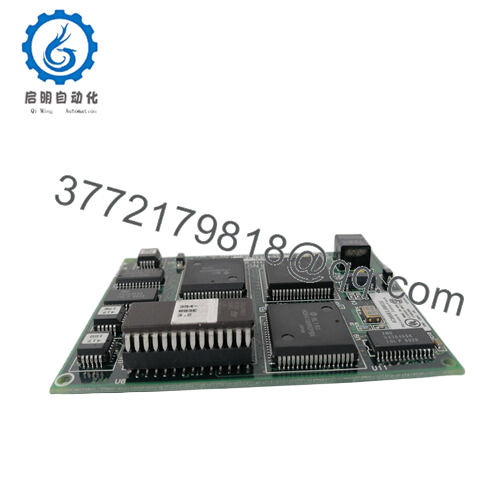
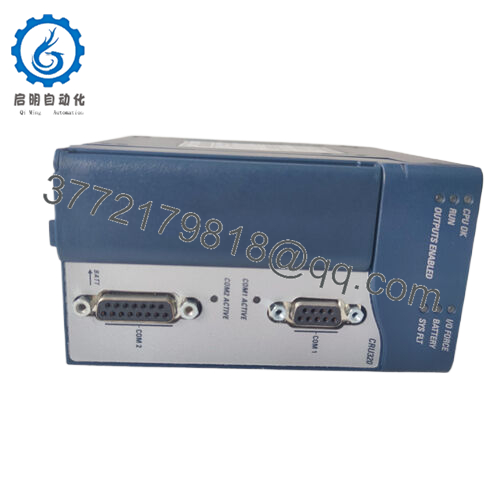
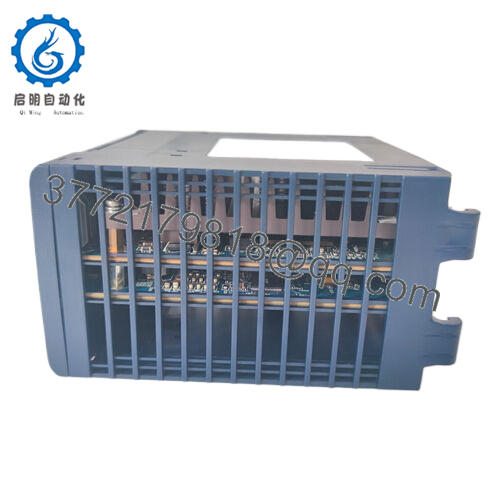
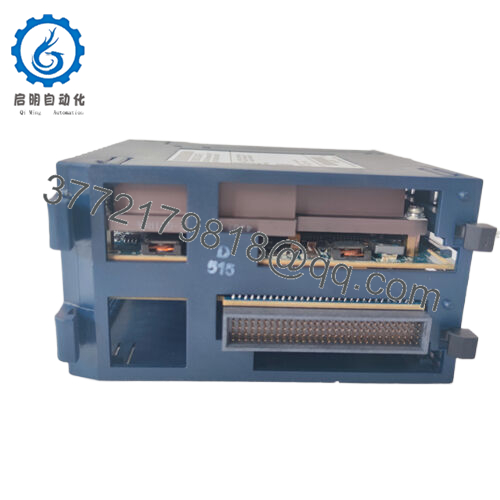
- IC687BEM742
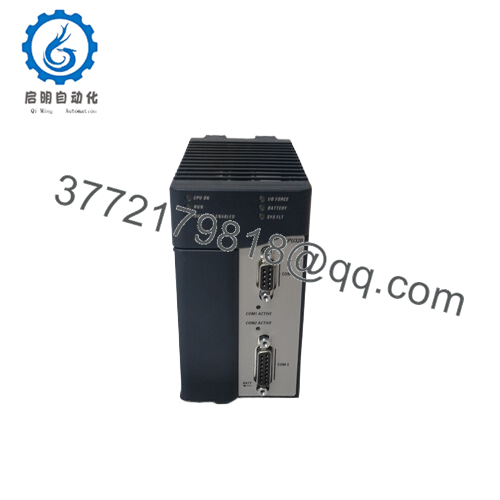
- IC687BEM742
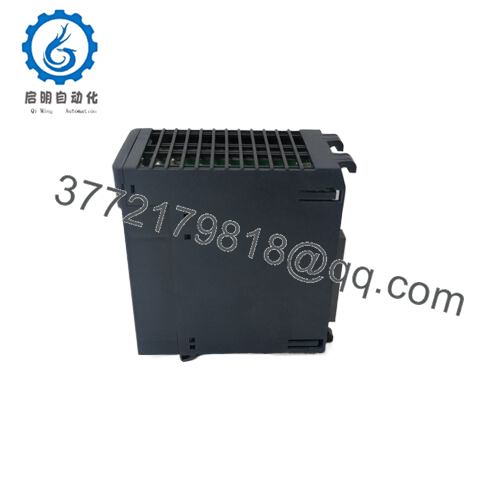
- IC687BEM742
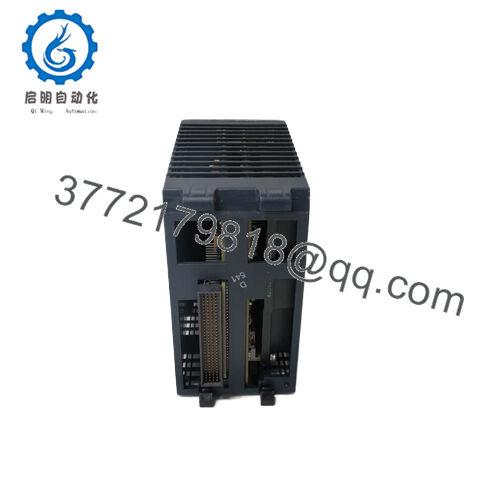
Real-World Benefits
Choosing the GE IC687BEM742 means you stop treating I/O communication as an afterthought and start treating it as mission-critical infrastructure. The dual redundant fiber rings alone have saved plants hundreds of thousands of dollars in unplanned outages because a cut cable or failed transceiver no longer takes the process down—the backup ring takes over in microseconds. Maintenance teams love the hot-swap capability: pull a faulty module, slide in the spare, and the system re-establishes full redundancy without a single controller restart.
Because diagnostics are deep and accessible through the RX7i CPU, you move from reactive firefighting to genuine predictive maintenance. You can monitor ring health, optical power margins, and individual slave status from the HMI or SCADA layer long before anything fails. That translates directly into longer mean time between failures and far less pressure on your on-call engineers at 2 a.m.
Finally, the GE IC687BEM742 reduces engineering overhead dramatically when you’re expanding or modernizing. Keep your existing Genius blocks or Field Control stations, add new RX7i CPU horsepower, and the bus master handles the translation. No rewiring, no new I/O cards, no forced obsolescence—just clean, reliable expansion that respects both budget and schedule.
Typical Use Cases
In power plants, especially combined-cycle and hydroelectric facilities, the GE IC687BEM742 is commonly deployed to connect turbine-generator control islands to remote I/O located in switchgear buildings hundreds of meters away, where fiber’s immunity to EMI and ground potential differences is non-negotiable. The redundant rings ensure that a lightning strike or contractor’s backhoe doesn’t trip the unit.
Oil & gas transmission sites use it to tie compressor station local panels back to a central RX7i control room over long fiber runs while maintaining sub-10 ms data cycles required for surge control and ESD logic. Water and wastewater facilities with treatment processes spread across large sites rely on the module’s ability to keep thousands of discrete and analog points synchronized even through harsh temperature swings and constant vibration.
Critical system uptime is the common thread—anywhere a single communication failure cascades into a plant trip, the GE IC687BEM742 has become the standard choice for engineers who need FIP performance with modern PACSystems flexibility.
Compatible or Alternative Products
GE IC687BEM731 – Single-ring, non-redundant predecessor for less critical applications
GE IC687BEM744 – Higher node count (128 drops) version for very large distributed systems
GE IC698CPE030 – RX7i CPU often paired when building a new redundant control island
GE IC697BEM713 – Legacy Series 90-70 bus master; direct drop-in for older racks
GE IC646MPS101 – FIP slave interface module for custom remote drops
GE IC687BEM700 – Genius Bus Controller alternative when staying on copper
GE IC754VGI12CTD – Typical HMI used to monitor BEM742 diagnostics in the field
Setup Notes & Maintenance Insights
Before dropping the GE IC687BEM742 into the rack, confirm you’re running RX7i firmware 8.50 or later in the CPU—earlier versions don’t fully support the extended diagnostic set. Verify that your fiber is 62.5/125 multimode with ST connectors and that you’ve left at least one empty slot on each side for airflow; the module runs warm when both rings are fully loaded. Set the rotary switches for rack and slot addressing exactly as you do with any RX7i card, and make sure the redundancy partner (if used) has identical switch settings except for the primary/backup designation.
Day-to-day, maintenance is mostly visual: green OK and ring LEDs mean everything is happy. Once a year, pull the module and clean the fiber ST connectors with a proper lint-free wipe and isopropyl—degraded optical margins are the number one cause of ring switchovers. Keep a spare configured with the exact same node map; the RX7i will auto-download configuration on insertion, so swap time is under two minutes. If you’re logging diagnostics, watch the optical receive power words; anything below -23 dBm is your early warning to schedule a fiber inspection before it becomes a fault.