 WhatsApp: +86 16626708626
 Email:
  Phone: +86 16626708626
Description
What This Product Solves
In today’s industrial automation environments, connectivity and real‐time data exchange between PLCs, HMIs, SCADA systems and networked devices are vital. The GE IC693CMM321-GJ addresses a core challenge: integrating a legacy PLC platform into modern Ethernet-based networks while maintaining high reliability, deterministic communication and reduced engineering overhead. When you have distributed I/O, multiple controllers, or need to pull/process data from remote stations, signal bottlenecks, incompatible communication protocols or limited diagnostic insight can slow you down. The IC693CMM321-GJ solves that by enabling your legacy GE Fanuc Series 90-30 PLC architecture to interface directly with Ethernet TCP/IP networks, streamlining data flows, enhancing system visibility and supporting scalable growth. For projects where networked data collection, supervisory monitoring, remote diagnostics or distributed control matter — especially in process control, machine automation or large factory installations — this module becomes a key enabler of high reliability, modern connectivity and minimized engineering risk.
How the Product Works & Fits into a System
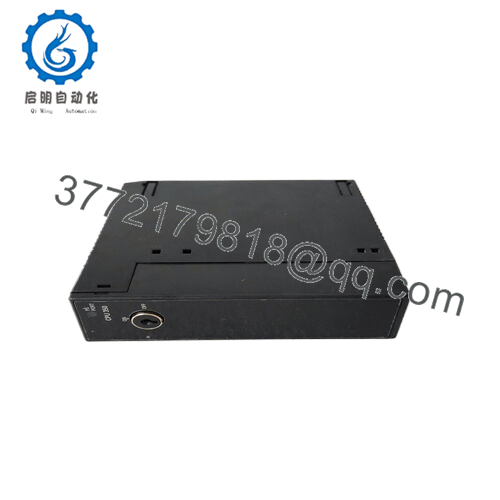
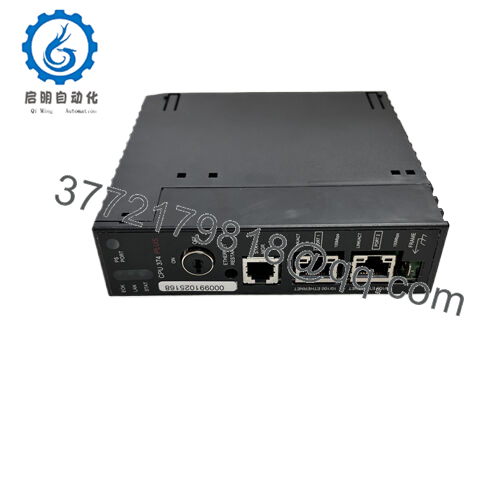
The GE IC693CMM321-GJ is an Ethernet Interface (TCP/IP) module designed for the Series 90-30 PLC platform. It mounts on the PLC rack backplane and provides external ports to link the PLC to an Ethernet LAN and other communication devices. On the backplane side, it sits alongside the CPU and I/O modules, sharing data via the PLC bus; on the network side, it uses a transceiver / AAUI or external transceiver to connect to Ethernet. The module supports both client and server roles — meaning it can initiate communications (as a client) from ladder logic (via COMMREQ blocks) and serve up data (as a server) to other devices or hosts. Configuration typically involves assigning IP address/subnet, defining server connections (up to 16), and setting up the PLC logic to read/write data via the Ethernet interface. Within a system architecture, the IC693CMM321-GJ often sits between field PLC racks and higher-level supervisory systems, enabling real-time data exchange, remote monitoring and distributed I/O expansion. Because it integrates into the existing Series 90-30 platform, you don’t need a wholesale redesign — it supports modernization of legacy control environments while preserving known I/O, wiring and engineering practices.
Technical Highlights Summary
| Specification | Details |
|---|---|
| Model Number | IC693CMM321-GJ |
| Brand | GE Industrial Systems / GE Fanuc |
| Type | Ethernet Interface Module (TCP/IP) |
| Input Voltage | 5 VDC via Series 90-30 backplane |
| Operating Temp Range | 0 °C to 60 °C (industrial standard) |
| Mounting Style | Series 90-30 PLC rack/module slot |
| Dimensions | Single module width, approx. 90 mm wide (1 slot) |
| Weight | ~0.23 kg (per one source) |
| Interface/Bus | Ethernet (via external transceiver/AAUI) + backplane bus |
| Compliance | CE, UL, RoHS (typical industrial modules) |
| Supported Protocols | Ethernet TCP/IP, client/server, COMMREQ ladder block |
| Typical Power Draw | <1A on 5 V rail (logic only) |

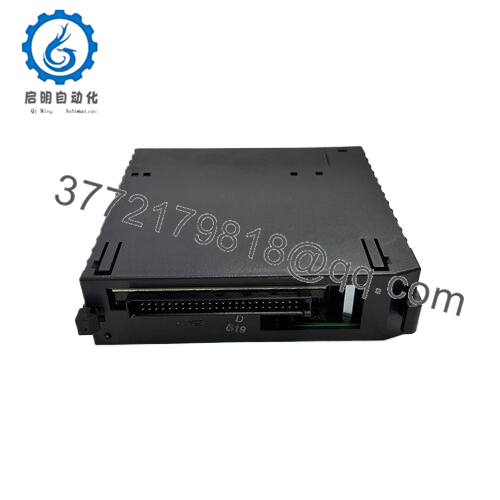
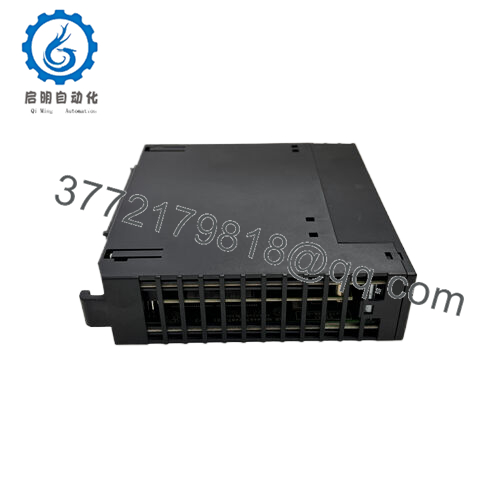
- IC693CMM321-GJ
- IC693CMM321-GJ
Real-World Benefits
Selecting the GE IC693CMM321-GJ means you’re choosing a module engineered for longevity and connectivity in demanding automation environments. For plants with legacy Series 90-30 PLCs yet needing Ethernet-based communication, this module ensures long-term performance without investing in a full system overhaul. It allows you to modernize networks, enable remote diagnostics, and integrate supervisory systems while retaining the core automation platform you already trust. Because the module supports up to sixteen server connections and both client/server roles, it ensures high flexibility in network architecture — enabling you to reduce engineering overhead for adding devices, hosts or controllers. Integration becomes smoother, commissioning faster, and maintenance less complex. Furthermore, the module’s rugged design (industrial grade, proven backplane compatibility) means you can trust it in harsh environments where signal integrity, uptime and system stability matter. By incorporating the GE IC693CMM321-GJ, you reduce risk, lower total cost of ownership and position your control system for future network expansion.
Typical Use Cases
In the power generation sector, the GE IC693CMM321-GJ is used to connect multiple PLC racks in a turbine control system to a supervisory network, enabling remote monitoring of I/O, alarms and performance data. In process control environments—such as chemical plants or water treatment facilities—it links Series 90-30 controllers with SCADA/HMI systems, enabling fast data exchange and reducing latency in network-wide control loops. On machine automation floors, it allows legacy PLC systems to become Ethernet-aware, enabling integration into newer MES or IIoT infrastructures without replacing all I/O modules. In all these scenarios, the module supports industrial automation, process control, networked I/O signal exchange and ensures that critical system uptime and real-time data requirements are met.
Compatible or Alternative Products
IC693CMM321-AA – Earlier revision of the same Ethernet interface module.
IC693CMM321-KL – Later revision offering updated firmware and minor enhancements.
IC693CMM302 – Ethernet interface module with different revision/flexibility for Series 90-30.
IC693CPU364 – Series 90-30 CPU with embedded Ethernet interface (alternative approach).
IC693CMM311 – Parallel communication module (not Ethernet) for legacy multipoint systems.
IC697CMM742 – Ethernet interface module for Series 90-70 PLC platform (upgrade path).
IC693PWR321 – Power supply module required for the Series 90-30 rack when expanding network modules.
Setup Notes & Maintenance Insights
Before installing the GE IC693CMM321-GJ, verify that your Series 90-30 rack has a slot available for a communication module and that your CPU firmware supports Ethernet communication (many require CPU version 6.50 or higher for full functionality). Ensure that network cabling meets required standards and that any external transceiver or AAUI cable is properly installed. Assign explicit IP addressing, subnet masks and gateway parameters matching your network plan. Mount the module with appropriate clearance and ensure your panel cooling and grounding are compliant with industrial practices. During commissioning, use the front-panel LEDs (“OK”, “LAN”, “SER”, “STAT”) to confirm network link status and module health. For ongoing maintenance: periodically review module logs (via the Station Manager interface), inspect cabling and connectors for wear or corrosion, verify that firmware remains current, and ensure that new server/client connections follow your network architecture guidelines. Because this module is often used in legacy systems, maintain documentation of revision number (-GJ suffix), rack position, firmware version and module configuration to assist with future module replacement or system audits.