 WhatsApp: +86 16626708626
 Email:
  Phone: +86 16626708626
Description
In compact machine shops cranking out precision gears for automotive transmissions, where a power flicker could halt spindles and scrap batches worth thousands, the GE IC695PSA040CAG delivers unwavering DC rails to keep RX3i controllers online through grid surges. Operators in Southeast Asian textile dyeing plants slot it into backplanes to feed CPUs and I/O amid humid 50°C shops—brownouts from monsoon storms hit hard here, but it holds outputs steady for color recipe shifts. Used in industrial automation for water booster stations, it powers discrete valve banks without voltage sag during pump starts, dodging false interlocks that flood sumps. Applicable in control systems for packaging fillers, the GE IC695PSA040CAG sustains 40W across three rails for mid-sized racks, bridging gaps in legacy plants upgrading from Series 90-30 without rewiring feeds. Think dusty Midwest grain dryers coordinating augers over peak harvest—the GE IC695PSA040CAG shrugs off 85-264 VAC swings, ensuring logic scans never stutter.
European pharmaceutical tablet presses lean on its isolation barriers, separating noisy motors from sensitive analog cards feeding weight checks. Offshore platform pumpjacks endure salt air as it clamps ripple below 150 mV, outlasting switchers that flake under vibration. Battery charging bays in EV plants draw its 24VDC field for relay coils, sidestepping overshoot that fries drivers. This frontline dependability spotlights its purpose: a 120/240 VAC or 125 VDC power supply module from GE Vernova’s RX3i PACsystems, hardened with CAG firmware for enhanced inrush handling and thermal margins in universal backplanes.
Product Introduction & Positioning
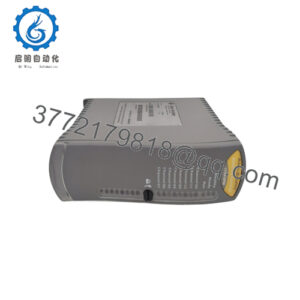
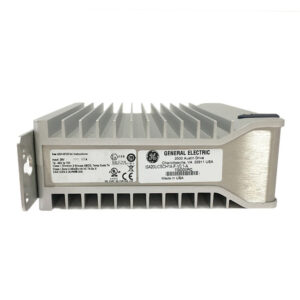
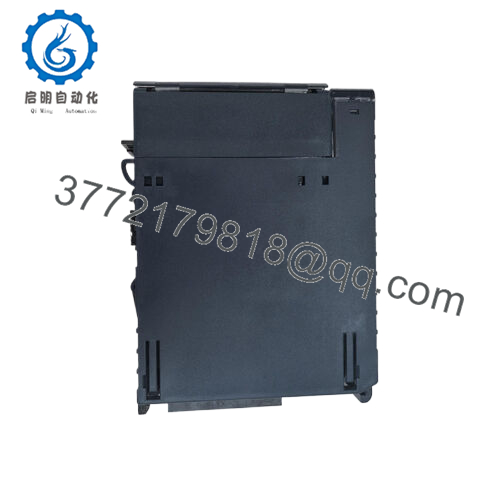
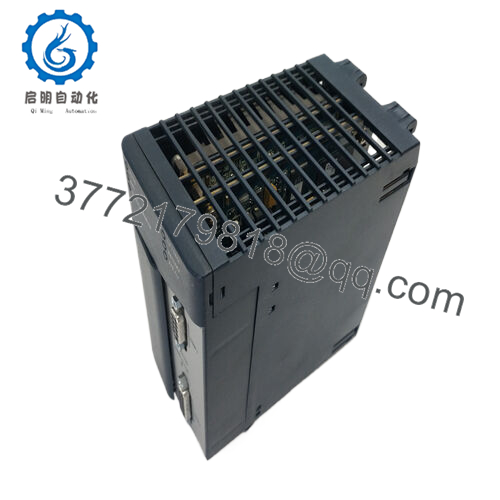
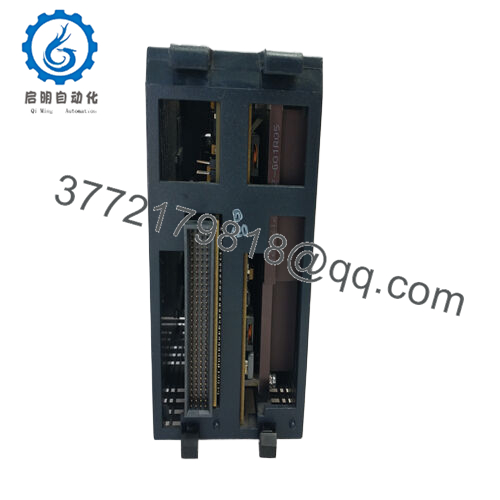
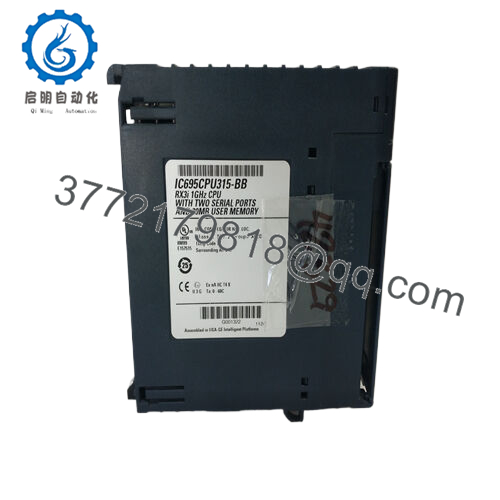
The GE IC695PSA040CAG occupies two slots in RX3i universal backplanes as a multipurpose 40W supply, converting wide-range AC/DC inputs to isolated 24V, 5.1V, and 3.3V outputs tailored for PAC CPUs, I/O modules, and field circuits. It stands alone—no redundancy or paralleling with other RX3i PSUs—making it the economical choice for simplex racks up to 10-12 modules deep. Four front LEDs track Power (green/amber), P/S Fault (red), Overtemp (amber), and Overload (amber), giving at-a-glance health without tools.
Integrators favor the GE IC695PSA040CAG for drop-in reliability ahead of CPE310 CPUs or ETM Ethernet, where 70W max input covers full-load inrush up to 4A/250 ms. CAG variant boosts low-load stability and UV detector margins, ideal for sparse configs in remote SCADA drops. With 250 VAC continuous isolation (1500 VAC/1 min tested), it slots into Proficy-commissioned systems, powering hybrid VersaMax extensions without capacity headaches.
Key Technical Features & Functional Benefits
Rock-solid outputs define the GE IC695PSA040CAG: 24 VDC holds 19.2-28.8V at 1.6A for relays, 5.1 VDC steady at 6A/30W for logic, and 3.3 VDC at 9A/30W for RX3i cores—total 40W derates smartly above 50°C to dodge nuisance trips. Holdup time exceeds 20 ms on outages, bridging generators in data center chillers, while ripple stays under 150 mV for clean PID execution in flow loops.
Rugged internals shine in tight panels. The GE IC695PSA040CAG takes 14-22 AWG terminals torqued to 4.4 in-lb, fusing inputs at 6A for arc flash safety. Passive convection needs no fans, thriving 0-60°C (75°C copper rated), with Overtemp/Overload auto-recovery on cooldowns. CAG firmware nixes early power-up faults under light loads, extending MTBF past 200K hours in vibrating test stands.
Field crews note its single-supply simplicity cuts spares inventory versus high-watt beasts, with backplane isolation shielding CPUs from line noise in weld cells. Efficiency hovers 85% at nominal, minimizing heat in sealed cabinets

- IC695PSA040CAG
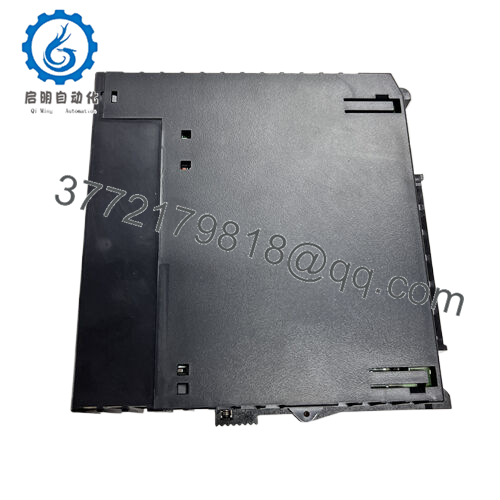
Detailed Technical Specifications
| Parameter | Value |
|---|---|
| Model | GE IC695PSA040CAG |
| Brand | GE Vernova (formerly GE Fanuc) |
| Type | Power Supply Module |
| Input Voltage Range | 85-264 VAC / 100-300 VDC |
| Nominal Input | 120/240 VAC or 125 VDC |
| Output Power | 40W max total |
| Outputs | 24 VDC (19.2-28.8V, 0-1.6A); 5.1 VDC (5.0-5.2V, 0-6A); 3.3 VDC (3.1-3.5V, 0-9A) |
| Power Supply Inrush | 4A max, 250 ms |
| Operating Temperature | 0 to 60°C (32 to 140°F) |
| Mounting | RX3i Universal Backplane (2 slots) |
| Dimensions | Approx. 14.5 x 5 x 11.5 cm |
| Weight | 0.6 kg (1.32 lbs) |
| Isolation | 250 VAC continuous; 1500 VAC/1 min |
| Indicators | 4 LEDs: Power, P/S Fault, Overtemp, Overload |
| Cooling | Passive convection |
| Environmental Rating | IP20; 75°C copper terminals |
Related Modules or Compatible Units
IC695PSA140 – High-capacity 120W sibling for denser RX3i racks.
IC695CPE310 – Mid-range CPU drawing core power from this supply.
IC695ETM001 – Ethernet module powered cleanly on 5.1V rail.
IC695CRU320 – Redundant CPU for simplex power setups.
IC695ALG600 – Analog I/O using 24VDC field output.
IC695NIU001 – Network unit sharing backplane rails seamlessly.
Installation Notes & Maintenance Best Practices
Rack the GE IC695PSA040CAG in slot positions 1-2 of empty universals first—torque terminals firmly on 14 AWG for 6A fuse protection, routing inputs away from signal trays per NEC 300. Route 120/240 VAC hots/neutrals with ground to chassis stud, verifying <5% impedance to panels; preload with dummy loads to baseline LEDs green pre-CPU insert. Inrush spikes demand 10 mH chokes near VFDs, and derate 20% over 40°C ambient.
Visuals monthly catch amber Overtemp from clogged vents—brush dust from fins, logging Overload via PME if outputs sag under peaks. Firmware CAG self-handles most glitches; swap via hot-remove only if faulted red, bridging with UPS for 20 ms holds. Corrosive sites like galvanizing lines need conformal coatings; annual hipot tests confirm isolation, always killing breakers upstream.