 WhatsApp: +86 16626708626
 Email:
  Phone: +86 16626708626
Description
In high-availability industrial automation and process control systems, achieving critical system uptime while managing complex logic, large I/O counts, and rapid data exchange often exposes vulnerabilities to single points of failure—such as CPU faults, power interruptions, or communication disruptions—that can cascade into costly downtime or safety risks. Standard single-CPU architectures may suffice for less demanding setups, but in environments requiring seamless failover and synchronized operation, engineers face challenges in maintaining deterministic performance without over-engineering redundancy layers or incurring excessive latency.
The GE IC698CRE020-JW addresses this precisely as a redundancy-capable Central Processing Unit in the PACSystems RX7i platform, featuring a 700 MHz Intel Pentium III processor optimized for Hot Standby Redundancy configurations. It becomes essential in applications where process continuity is paramount, such as upgrading legacy Series 90-70 systems to modern redundancy or building new installations that demand high reliability across distributed I/O. Engineers frequently deploy the GE IC698CRE020-JW when synchronizing dual CPUs for bumpless transfer, supporting reflective memory links, or integrating with VME-based racks in industrial automation. Its design ensures fast scan times, ample memory allocation, and native support for Ethernet and serial protocols, helping mitigate risks of unsynchronized states or data loss during failover events.
By enabling paired operation with automatic synchronization, this CPU supports goals like minimized recovery time, enhanced fault tolerance, and scalable performance in process control environments demanding uninterrupted operation.
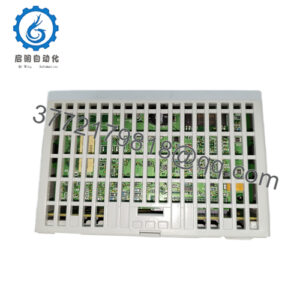
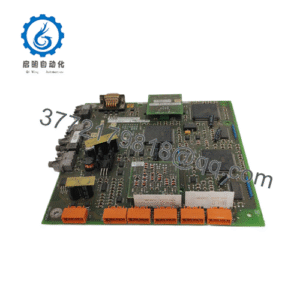
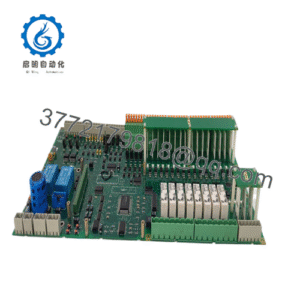
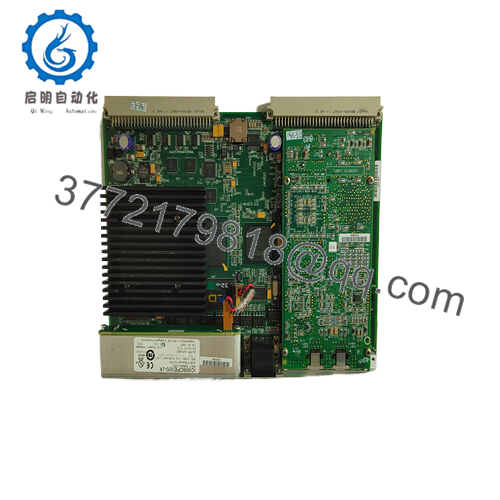
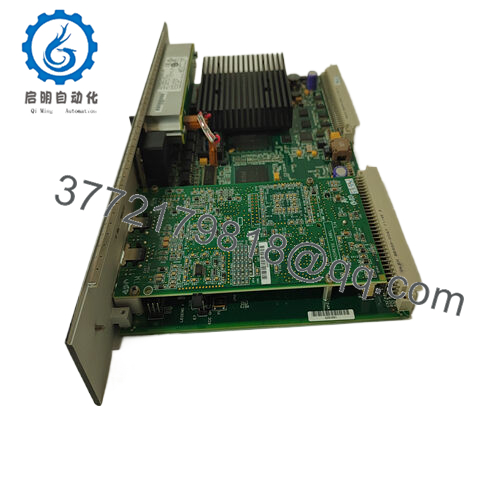
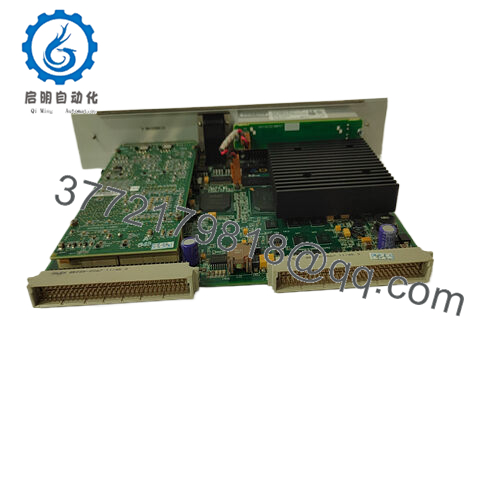
The GE IC698CRE020-JW anchors the RX7i control hierarchy as a redundancy CPU, typically installed in the primary VME rack slot while pairing with an identical unit and Redundancy Memory Xchange modules (like IC698RMX016) for high-speed data mirroring. It executes user logic—ladder, function block, or structured text—via Proficy Machine Edition software, handling floating-point operations, PID loops, and interrupt-driven tasks with low boolean execution times.
In the automation stack, it interfaces directly with local VME I/O modules, Genius distributed networks, and third-party devices through embedded ports: dual RJ-45 Ethernet for SRTP, EGD, and Modbus TCP, plus three serial ports (RS-232, RS-485, and station manager). For redundancy, it maintains continuous sync over dedicated links, allowing the backup unit to assume control in milliseconds without process disruption. Diagnostics include detailed fault tables, run/stop switches, and web-based monitoring via Ethernet.
Configuration supports symbolic variables, bulk memory access, and legacy program conversion, positioning the GE IC698CRE020-JW as a bridge between older GE platforms and current needs, with backward compatibility for Series 90-70 modules in expanded racks.

- IC698CRE020-JW
| Specification | Details |
|---|---|
| Model Number | IC698CRE020-JW |
| Brand | GE (Emerson) |
| Type | Redundancy CPU (Hot Standby) |
| Input Voltage | 5 V DC (from backplane) |
| Operating Temp Range | 0°C to 60°C |
| Mounting Style | VME rack (double slot) |
| Dimensions | Approx. 11.2 x 2.6 x 10 inches (double width) |
| Weight | Approx. 2.5 kg |
| Interface/Bus | VME backplane with embedded dual Ethernet |
| Compliance | CE, UL, CSA (typical for series) |
| Supported Protocols | SRTP, EGD, Modbus TCP/RTU, SNP |
| Typical Power Draw | Approx. 12 W |
Selecting the GE IC698CRE020-JW delivers a processor engineered for mission-critical reliability in RX7i systems, where synchronized redundancy directly safeguards against interruptions that impact production or safety.
Its architecture ensures long-term performance through fast synchronization and error-checking mechanisms, reducing the probability of divergent states between primary and backup units. In operation, this translates to proactive fault handling—automatic switchover with no output glitches—and streamlined maintenance via comprehensive diagnostics accessible remotely.
Integration efficiency is a key strength—the GE IC698CRE020-JW reduces engineering overhead by supporting direct migration from older programs, flexible memory partitioning, and native Ethernet for HMI/SCADA connectivity, avoiding add-on modules for basic networking. This preserves deterministic timing across large I/O configurations.
The practical value emerges in sustained availability: robust failover that aligns with stringent uptime requirements, enabling teams to concentrate on process enhancements rather than contingency planning.
The GE IC698CRE020-JW is widely deployed in energy sectors like power generation, where it coordinates turbine controls or substation automation under continuous operation, tolerating electrical noise and demanding fast response to grid events.
In oil and gas processing, it supports process control environments with critical system uptime, synchronizing redundant CPUs for pipeline monitoring or refining operations across harsh, remote sites. Water treatment and pharmaceutical plants often use it for batch processes requiring precise timing and fault-tolerant execution amid temperature or vibration challenges.
These applications leverage its redundancy features for uninterrupted performance in power plants or distributed infrastructure.
GE IC698CPE020 – Non-redundant counterpart with identical processing speed for standard applications
GE IC698CRE030 – Higher-performance redundancy CPU (1800 MHz) for more intensive logic
GE IC698CRE040 – Top-tier redundancy option with expanded memory and speed
GE IC698CPE010 – Entry-level 300 MHz CPU for smaller-scale control
GE IC698CPE040 – Advanced non-redundant high-speed alternative
GE IC698RMX016 – Required Redundancy Memory Xchange module for sync links
GE IC698ETM001 – Ethernet interface module for additional ports
Before commissioning the GE IC698CRE020-JW, confirm firmware revision compatibility between paired units and Proficy Machine Edition version to ensure seamless synchronization—download updates if needed. Verify rack power supplies (like IC698PSA100 or PSA350) can handle the combined draw, and install reflective memory modules in matching slots with proper fiber optic cabling for low-latency links.
Slot the CPU securely in the designated position, connect Ethernet and serial ports with shielded cables, and set run/stop switches to stopped for initial configuration.
For ongoing maintenance, monitor battery status annually (replace every 3-5 years based on ambient temperature), review fault tables regularly via software, and inspect connectors for secure seating in dusty or vibrating installations. Periodic program backups and sync link tests confirm redundancy health without disrupting operation.