 WhatsApp: +86 16626708626
 Email:
  Phone: +86 16626708626
Description
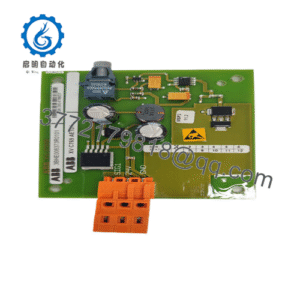
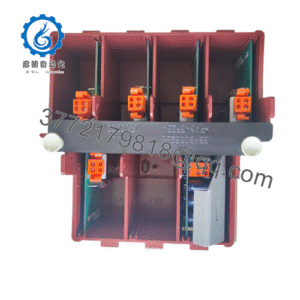
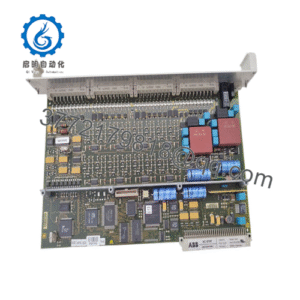
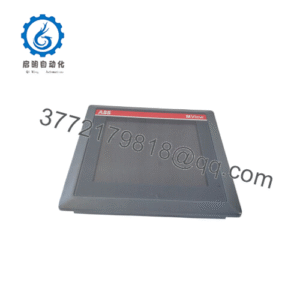
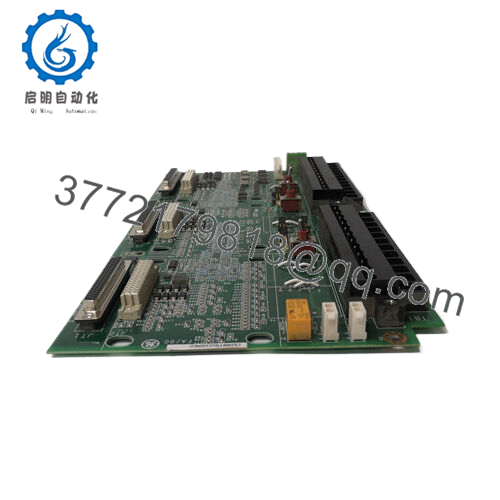
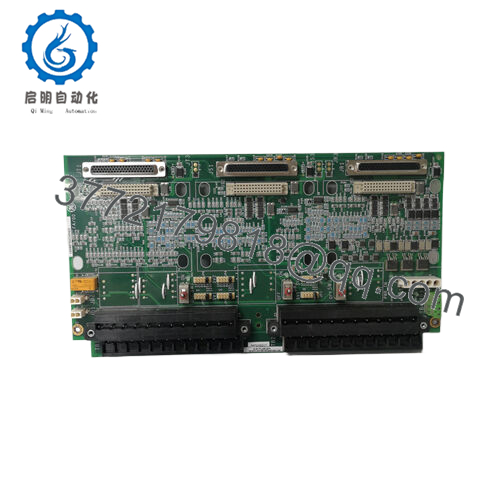
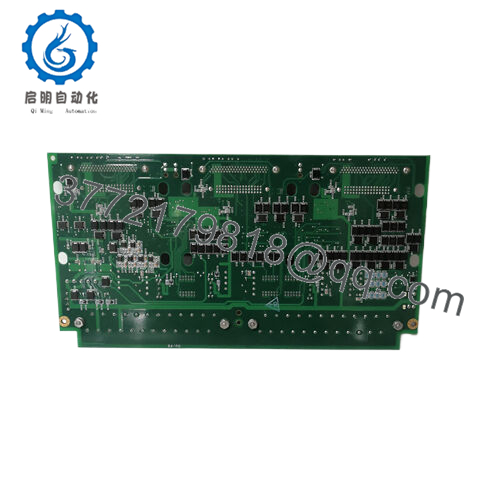
The GE IS200AEPAH1AEC addresses a core requirement in gas and steam turbine control systems: delivering precise, reliable auxiliary power management and interfacing within the demanding environment of GE’s Mark VIe (or related Speedtronic) platforms. In large-scale power generation, oil & gas, or industrial cogeneration plants, turbine auxiliaries—such as lube oil pumps, hydraulic systems, cooling fans, or excitation support—require stable, fault-tolerant power distribution and control signals that won’t falter under vibration, temperature extremes, or electrical transients. Failures here can cascade into trips, reduced output, or extended outages, where every minute offline costs significantly.
Engineers often grapple with legacy or mismatched boards that introduce noise susceptibility, inadequate diagnostics, or limited compatibility, leading to unreliable startups, false trips, or complex troubleshooting during maintenance windows. GE IS200AEPAH1AEC becomes essential in Mark VIe-based turbine control architectures needing a compact, high-integrity power control board or auxiliary interface that ensures consistent auxiliary power delivery, signal isolation, and system coordination. It supports high reliability in process control loops tied to turbine sequencing, startup permissives, and protective functions, helping maintain critical system uptime while reducing the risk of auxiliary-related downtime in harsh, continuous-operation settings.
The GE IS200AEPAH1AEC operates as a specialized printed circuit board within GE’s Mark VIe turbine control system (part of the Speedtronic family), typically functioning as an advanced power control or auxiliary interface module. It integrates into the control cabinet’s backplane or rack-mounted I/O architecture, handling power regulation, distribution to auxiliaries, and interfacing with sensors/actuators for lube, hydraulic, or cooling subsystems. The board processes inputs from field devices (e.g., pressure switches, temperature sensors) and outputs control signals to relays, contactors, or drives, often incorporating protection circuits like over-temperature safeguards, short-circuit detection, and EMC filtering.
In the automation stack, GE IS200AEPAH1AEC sits at the lower layer, bridging the IONet/Ethernet-based controller communication (for high-speed data exchange with the main turbine control processor) and the physical field connections. It supports deterministic execution of protective and permissive logic, with built-in diagnostics visible via status LEDs or controller tools. The design emphasizes redundancy compatibility in TMR (triple modular redundant) or simplex configurations, allowing seamless integration into fault-tolerant setups where auxiliary power stability directly impacts overall turbine availability. Passive elements like high-grade copper traces and epoxy construction ensure thermal resilience, while optical isolation on key paths protects against ground loops and noise in electrically noisy turbine halls.
| Specification | Details |
|---|---|
| Model Number | IS200AEPAH1AEC |
| Brand | GE (General Electric, now GE Vernova) |
| Type | Advanced Power Control / Auxiliary PCB |
| Input Voltage | Typically 24 VDC or system-derived (confirm per application) |
| Operating Temp Range | -40 °C to +85 °C (typical for Mark VIe boards) |
| Mounting Style | Rack/backplane mount in Mark VIe cabinet |
| Dimensions | Approx. 11 × 6 × 6.7 cm |
| Weight | Approx. 0.14 kg |
| Interface/Bus | Mark VIe backplane/IONet compatible, field terminals |
| Compliance | CE, UL, industrial standards for turbine control |
| Supported Protocols | IONet (Ethernet-based), internal Mark VIe comms |
| Typical Power Draw | Low (board-level, <10–15 W estimated) |

- IS200AEPAH1AEC
Selecting GE IS200AEPAH1AEC provides dependable auxiliary power stability that directly enhances turbine reliability and availability. Engineered for the rigors of industrial automation in power generation, its robust construction and protective features ensure consistent performance through thermal cycling, vibration, and electrical disturbances, minimizing nuisance trips and supporting smooth sequencing during startups and shutdowns.
Operations and maintenance teams gain from simplified diagnostics—onboard indicators and controller-integrated health monitoring allow quick identification of issues without extensive external tooling, reducing mean time to repair. The board’s compatibility with existing Mark VIe infrastructure cuts retrofit complexity, preserves investment in legacy systems, and lowers overall spares diversity. Long-term, GE IS200AEPAH1AEC contributes to extended intervals between major overhauls by safeguarding critical auxiliaries, helping sustain high-efficiency output and compliance in regulated environments.
GE IS200AEPAH1AEC finds widespread use in gas turbine combined-cycle plants, where it manages auxiliary systems during load changes or black-start sequences, ensuring lube oil pressure and hydraulic control remain stable under demanding transients. In steam turbine facilities for utility power or industrial CHP, it supports excitation and cooling auxiliaries in continuous baseload operation, where high reliability prevents forced outages. Oil & gas platforms and heavy process industries deploy it for turbine-driven compressors or generators in remote, harsh conditions requiring vibration tolerance and extended critical system uptime. These applications highlight its strength in fast-response protective logic and noise-immune interfacing where turbine availability directly impacts production throughput.
IS200AEPAH1A – Base variant, often interchangeable in similar Mark VIe wind or turbine applications
IS200AEPAH1AFD – Revision with potential firmware or component updates for enhanced diagnostics
IS200AEPAH1AAA – Earlier suffix, commonly used in wind pitch control or auxiliary setups
IS200AEPAH1ACB – Alternative revision with similar power control functions
IS210BPPBH2BMD – Related backplane/power interface board for Mark VIe integration
IS200WETBH1 – Companion board in wind turbine Mark VIe systems for auxiliary handling
IS200AEADH – Analog/digital hybrid variant in related Speedtronic families
IS200TPROS – Protection I/O board often paired in TMR turbine configurations
Before installing GE IS200AEPAH1AEC, confirm exact compatibility with your Mark VIe rack, backplane revision, and controller firmware—cross-reference GE’s compatibility matrix or toolboxST documentation to avoid mismatches. Ensure proper electrostatic discharge handling during insertion, verify slot assignment matches the application (e.g., auxiliary power or specific I/O group), and check cabinet ventilation for adequate airflow around the board. Power up sequences should follow GE startup procedures, with initial diagnostics run via the HMI or toolboxST to validate board health and IONet connectivity.
Ongoing maintenance focuses on quarterly visual inspections: check for dust accumulation, capacitor swelling, or trace discoloration, and reseat connectors if vibration has loosened them. Monitor status LEDs during routine patrols for fault indications, and log any anomalies through the control system historian. Annually (or per plant PM schedule), perform full functional tests of auxiliary loops under controlled conditions, verify grounding integrity, and apply any GE-recommended firmware or hardware advisories. Maintain clean spares in ESD-protected storage for rapid replacement, as board swaps in hot-standby setups can often occur without full turbine shutdown.