 WhatsApp: +86 16626708626
 Email:
  Phone: +86 16626708626
Description
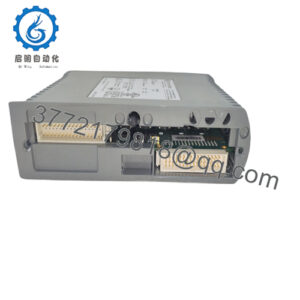
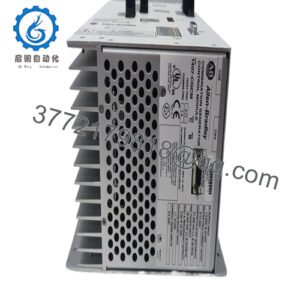
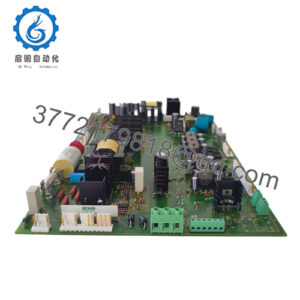
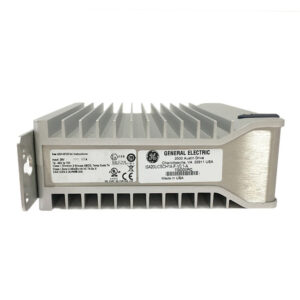
In turbine halls where split-second relay logic decides between smooth startups and costly scrams, the GE IS200SRTDH2ACB drives critical contactor coils and solenoids, ensuring fuel valves snap open or emergency trips fire without hesitation. Operators at gas-fired combined-cycle plants or hydro stations depend on it during black-start sequences, where it isolates faults from generator bays to protect multimillion-dollar rotors. Deployed deep in Mark VIe Speedtronic racks, the GE IS200SRTDH2ACB handles high-current switching for protective relaying, syncing breaker trips with overspeed signals amid arc flash risks. Envision a peaker unit chasing grid spikes: this relay driver board pulses 10A loads flawlessly, dodging chatter that could false-trigger hydraulics. In dusty cogeneration setups, it shrugs off vibration while sequencing lube pumps or purge valves, meeting API 670 standards for safety interlocks. Used in industrial automation for turbine drivetrains, the GE IS200SRTDH2ACB confronts challenges like inductive kickback and EMI from nearby exciters head-on. Applicable in control systems from Frame 6B frames to 7HA fleets, it supports redundant voting for SIL2 loops, cutting nuisance outages that erode dispatch factors. Technicians slot it into VME cores for upgrades, linking discrete I/O to controller logic without rewiring headaches. More than a driver, it turns diagnostic bits into mechanical action, letting plants hit availability targets year after year.
Product Role in Turbine Control
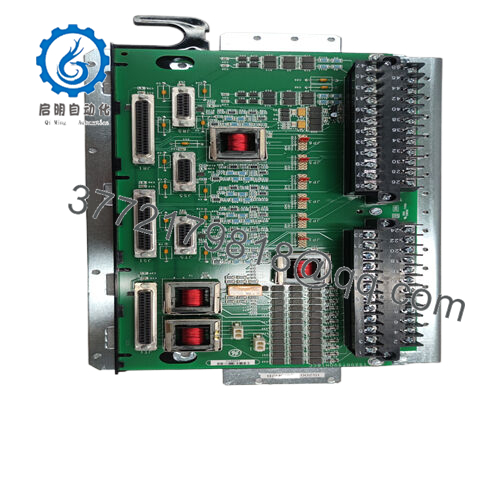
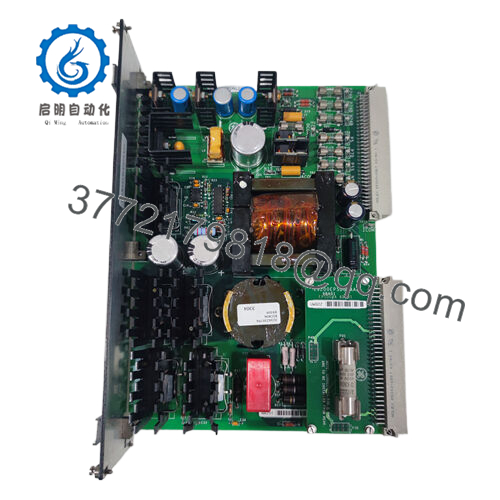
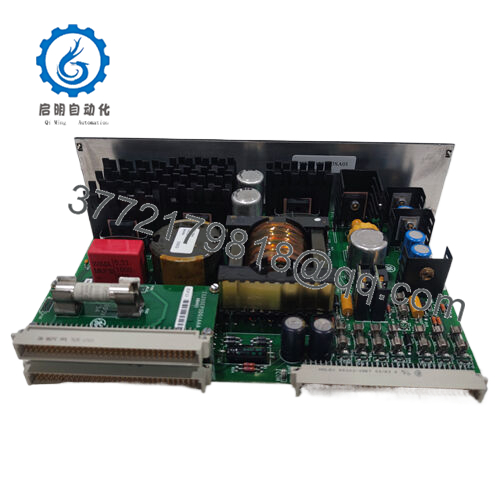
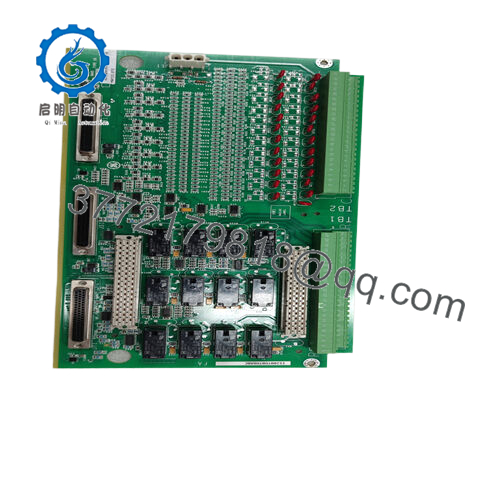
The GE IS200SRTDH2ACB is a relay transition driver hybrid board from GE’s IS200 series, purpose-built for the Mark VIe turbine management platform. It amplifies low-level controller commands into robust 24VDC outputs for solenoids, relays, and contactors, bridging the VME backplane to field actuators in excitation or protection chains. Fully integrated with IONet fiber and RS-422 links, it fits simplex or TMR racks alongside TBCI terminal boards, firing up to 4 high-power channels with opto-isolated feedback. Integrators favor its drop-in compatibility for 9FA or HA-class machines, where it decodes Proficy pulses for sequenced starts—think fuel bypass to splitter handoff. The GE IS200SRTDH2ACB excels in hybrid roles, doubling as a signal conditioner for trip multiplexing, ensuring no single wire fault blacks out redundancy. Engineers tweak debounce timers via ToolboxST, fine-tuning for slow hydraulics or fast solenoids alike. At its heart, this board fortifies the actuating layer, transforming digital safeguards into kinetic reliability.
Core Strengths and Performance
Turbine techs bank on the GE IS200SRTDH2ACB for bulletproof switching—each of its 4 channels cranks 10A continuous at 24VDC, with surge ratings to 20A for inrush-heavy contactors, all while clamping flyback voltages to shield upstream logic. Opto-isolators and MOVs across channels block 2kV transients from arcing breakers, and dual watchdog timers halt outputs on comm loss, preventing runaway actuators. DIN-rail adapters make it rack-flexible, though VME native shines in dense cores.
Footprint stays tight at 100x75mm, drawing under 25W total with pluggable terminals for hot swaps—crucial during load sheds. Conformal coat and potted relays endure 60°C cabinets, with MTBF pushing 150k hours via derated FETs. Status LEDs pulse health per channel, feeding HMI alarms for predictive pulls.
Diagnostics run deep: cyclic self-tests flag coil shorts or debounce drift, logging via Modbus for root-cause hunts. UL-listed for Class 1 Div 2, it mates seamlessly with SIL3 controllers, easing cyber-physical compliance in grid-tied ops.saplcmro
Technical Specifications
| Parameter | Value |
|---|---|
| Model | GE IS200SRTDH2ACB |
| Brand | GE (General Electric) |
| Type | Relay Transition Driver Board |
| Series | IS200 / Speedtronic Mark VIe |
| Power Supply | 24 VDC nominal |
| Output Current | 10A per relay (4 channels) |
| Number of Relays | 4 |
| Operating Temperature | -20°C to +60°C |
| Storage Temperature | -40°C to +85°C |
| Dimensions (W x H x D) | 100 x 75 x 55 mm |
| Weight | 250 g |
| Interfaces | RS-422, Backplane, Terminal blocks |
| Mounting | DIN Rail / VME compatible |
| Certifications | UL, CE, RoHS, Class 1 Div 2 |
| Cooling | Natural convection |

- IS200SRTDH2ACB
Compatible Products
- IS200TBCIH1B – Terminal board that routes field wiring directly to GE IS200SRTDH2ACB relay outputs for trip circuits.
- IS200TRPGH1B – Relay driver companion extending channel count for complex sequencing.
- IS210DMCIH1A – I/O pack providing feedback signals synced to GE IS200SRTDH2ACB drivers.
- IS200EPCH1A – Exciter interface board using relay pulses for contactor staging.
- IS200BPIHH1AAA – Bridge personality mate handling power post-relay logic.
- IC695CPU315 – PACSystems CPU integrating logic commands to the driver board.
- IS200AEPAH1ACB – Amplifier board triggered by GE IS200SRTDH2ACB interlocks.
Installation and Upkeep
Before racking the GE IS200SRTDH2ACB, map channel assignments against turbine I/O sheets—mismatches trip half the installs. Snap to DIN or VME with 4mm standoffs, torquing terminals at 5 in-lbs; fuse each output at 15A fast-act to catch shorts early. Pre-flash firmware matching rack ID, and bench-test continuity with 24V bench supply sans load. Sleeve inductive leads through ferrite beads, grounding shields at one end to quash noise pickup in motor-heavy bays.
Bimonthly checks scan for relay pitting via continuity buzz, exporting event logs for cycle counts exceeding 100k ops. Offline firmware via USB runs 4 minutes—backup duplex first. Dust vacuums keep vents clear; amber LEDs scream undervoltage, green steady means ready. Simulate trips quarterly to verify debounce, staving off chatter from marginal coils. Solid habits yield 12+ years in hot, humid turbine service.