 WhatsApp: +86 16626708626
 Email:
  Phone: +86 16626708626
Description
The GE IS200TBCIH1BBC resolves a key challenge in turbine control reliability: providing a secure, noise-immune, and densely packed termination point for dry contact inputs that feed directly into the turbine’s protective and sequencing logic. In GE Speedtronic Mark VI systems—widely used for gas and steam turbines in power generation, oil & gas, and industrial cogeneration—field devices like limit switches, pressure switches, pushbuttons, and relay contacts generate discrete signals that must reach the control processors without distortion, ground loops, or false triggering from electrical noise in high-power environments. Poor termination can introduce intermittent faults, delay trip responses, or cause nuisance alarms, all of which erode system stability and threaten critical system uptime during startups, load changes, or emergency shutdowns.
GE IS200TBCIH1BBC becomes essential when you’re populating or expanding I/O in Mark VI turbine control cabinets, especially in simplex or TMR (triple modular redundant) configurations requiring 24 discrete contact inputs per board. It offers a standardized, rugged interface that supports surge suppression, optical isolation (via the associated input processor board like STCI), and grouped common returns, minimizing wiring errors and ensuring clean signal paths in vibration-heavy, EMI-rich turbine halls. This is particularly valuable during retrofits, expansions, or when replacing aging terminal boards, as it maintains compatibility with existing Mark VI backplanes while enhancing high reliability for protective functions like overspeed, flame detection, or lube oil permissive checks in process control environments.
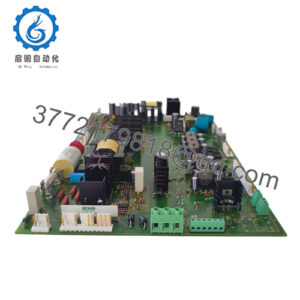
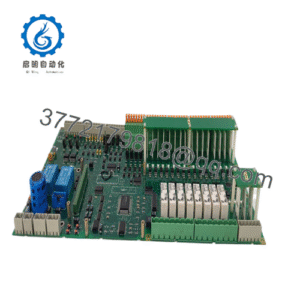
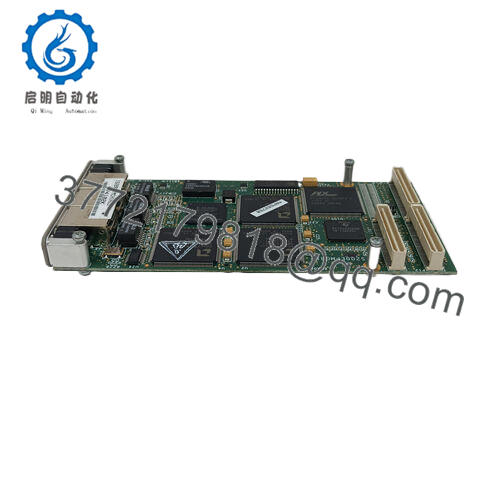
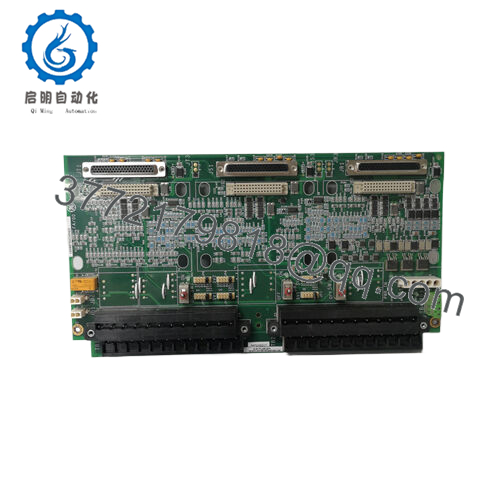
The GE IS200TBCIH1BBC serves as a passive contact input terminal board in the GE Mark VI turbine control system (part of the Speedtronic family), designed to accept up to 24 dry contact inputs from field devices. Mounted in the control cabinet via screws or DIN-rail provisions, it features two large terminal blocks (typically 48 points total, with grouped commons) for secure screw connections of field wiring, plus multiple plug connectors that route signals to the associated input processor board (e.g., IS200STCIH** series) over ribbon cables or backplane links.
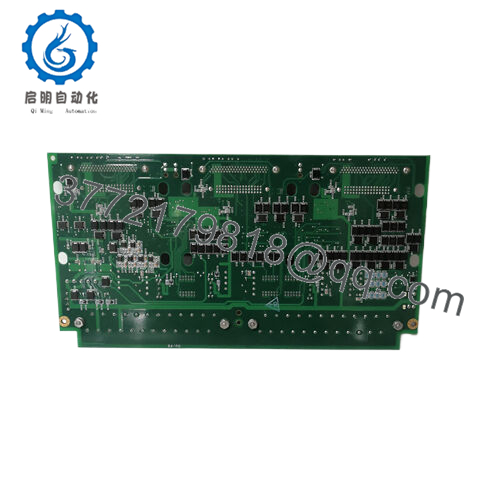
In the automation stack, GE IS200TBCIH1BBC positions at the field interface layer, bridging physical plant contacts to the digital input processing and diagnostics performed by the STCI board, which then communicates status to the main turbine control processors via the IONet or internal bus. It includes onboard surge suppression components (capacitors, etc.) and provisions for grouped power returns, ensuring signals remain robust against transients. The board supports both simplex and TMR architectures by allowing redundant wiring paths when paired with multiple processors. No active electronics reside on the TBCI itself—it’s purely termination and conditioning—relying on the downstream processor for excitation voltage (typically 24 V DC wet contacts), debounce filtering, and status reporting visible through ToolboxST diagnostics or HMI alarms.
| Specification | Details |
|---|---|
| Model Number | IS200TBCIH1BBC |
| Brand | GE (General Electric, now GE Vernova) |
| Type | Contact Input Terminal Board (TBCI) |
| Input Voltage | Field contacts dry; excitation typically 24 V DC from processor board |
| Operating Temp Range | -30 °C to +65 °C (typical Mark VI range) |
| Mounting Style | Cabinet-mounted, screw terminals |
| Dimensions | Approx. 178 mm (H) × 101 mm (W) × 76 mm (D) |
| Weight | Approx. 1.27 kg |
| Interface/Bus | 2 × large terminal blocks (48 points total), multiple ribbon/plug connectors to STCI processor |
| Compliance | Industrial standards for turbine control (CE, UL equivalents) |
| Supported Protocols | N/A (passive termination; signals to Mark VI IONet via processor) |
| Typical Power Draw | None (passive) |

- IS200TBCIH1BBC
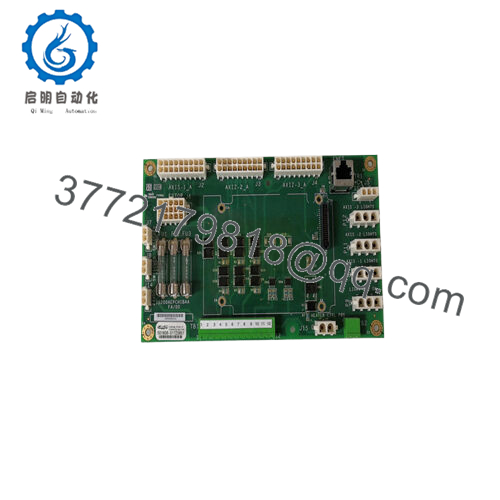
Choosing GE IS200TBCIH1BBC ensures dependable discrete signal integrity that directly supports faster, more accurate turbine protective responses and sequencing. Engineered for the harsh realities of industrial automation in power generation, its robust terminal design, surge protection, and grouped commons reduce false inputs from noise or contact bounce, helping prevent unwarranted trips while maintaining tight coordination with critical permissives and interlocks.
Maintenance personnel benefit from the board’s clear terminal labeling and accessible layout, which speed up field wiring verification during commissioning or outages. The passive nature eliminates onboard firmware concerns, simplifying swaps—simply disconnect, replace, and reconnect without reconfiguration. Long-term, GE IS200TBCIH1BBC contributes to lower lifecycle costs by standardizing I/O termination across Mark VI cabinets, minimizing spares variety, and supporting extended operational intervals in baseload or cycling duty where high reliability is paramount.
GE IS200TBCIH1BBC is commonly installed in gas turbine control systems for combined-cycle plants, terminating contacts from flame detectors, vibration switches, or valve limit switches to ensure reliable startup sequencing and protective tripping under frequent load variations. In steam turbine applications for utility or industrial power, it handles inputs from bearing temperature monitors, thrust position sensors, or emergency stop circuits in continuous-run environments demanding critical system uptime. Oil & gas facilities and heavy process industries deploy it for turbine-driven compressors or mechanical drives, interfacing discrete signals in vibration-prone, high-EMI settings where noise-immune termination prevents spurious faults during production-critical operations.
IS200TBCIH1B – Base or closely related revision, often functionally equivalent
IS200TBCIH1BBB – Similar suffix variant with minor component or revision differences
IS200TBCIH1CAA – Alternative revision in Mark VI contact input series
IS200STCIH1A – Associated contact input processor board that pairs with TBCI for signal processing
IS200TBCIH2 – Related terminal board variant for different channel counts or configurations
IS200TDBSH2A – Contact input/output terminal board in Mark VIe family (migration path)
IS200TPROH1 – Protection I/O terminal board often used alongside in TMR setups
IS200TBCIH1 – Earlier non-suffixed version, compatible in legacy Mark VI installations
Before installing GE IS200TBCIH1BBC, confirm compatibility with your Mark VI rack and associated STCI processor board revision—reference GE’s Mark VI application guides or ToolboxST for wiring diagrams and excitation voltage settings. Use ESD protection during handling, torque terminal screws to specification to prevent loose connections under turbine vibration, and ensure adequate cabinet ventilation. Verify field wiring polarity and contact type (dry) prior to power-up, and run initial diagnostics through ToolboxST to validate input status and noise immunity.
Ongoing maintenance includes visual checks every 3–6 months: inspect terminals for corrosion, tightness, or wire strand issues; look for dust buildup on components; and confirm no signs of overheating on surge elements. During outages, test contact inputs end-to-end with simulated signals to verify debounce and processor recognition. Annually, or per site PM, clean terminals if needed, reseat ribbon connectors, and apply any GE advisories for hardware updates. Keep spares in ESD-safe storage for quick replacement, as the passive design allows hot-swap potential in many configurations without full system shutdown.