 WhatsApp: +86 16626708626
 Email:
  Phone: +86 16626708626
Description
- Key Technical Specifications
- Supply voltage: 24 V DC (typical marine control voltage)
- Power consumption: ≈ 10–20 W (idle to active)
- Digital inputs: Multiple for sensors (speed, oil pressure, temp, start command)
- Relay outputs: Start solenoid, stop solenoid, cranking control, alarm/fault
- Analog inputs: Limited (e.g., speed pickup or 4–20 mA)
- Operating temperature: 0°C to +55°C (marine class typical)
- Storage temperature: −40°C to +70°C
- Mounting: DIN rail or panel mount via terminal board
- Communication: Hardwired I/O (no fieldbus in base CMA135)
- Dimensions: ≈ 200 × 150 × 50 mm (PCB + enclosure estimate)
- Weight: ≈ 0.7–1.5 kg (varies with terminal board)
- Protection: IP20 (board level); enclosure dependent
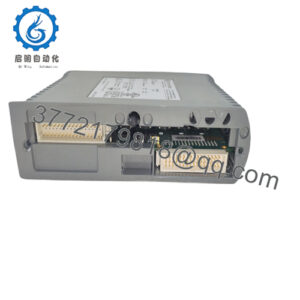
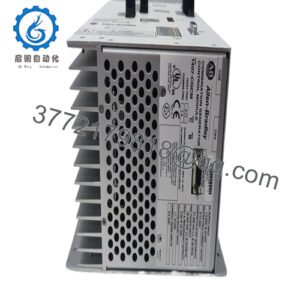
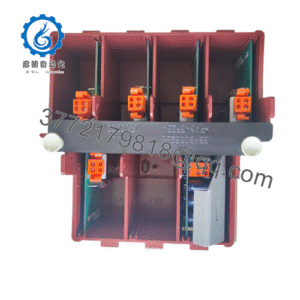
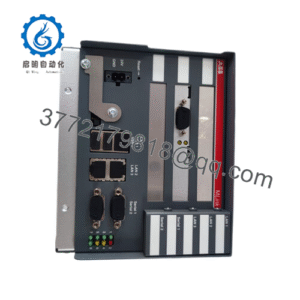
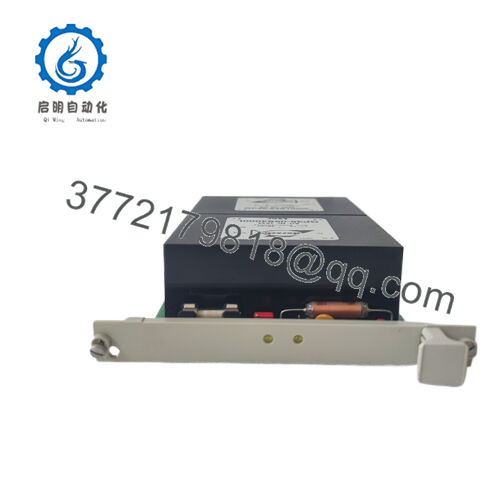
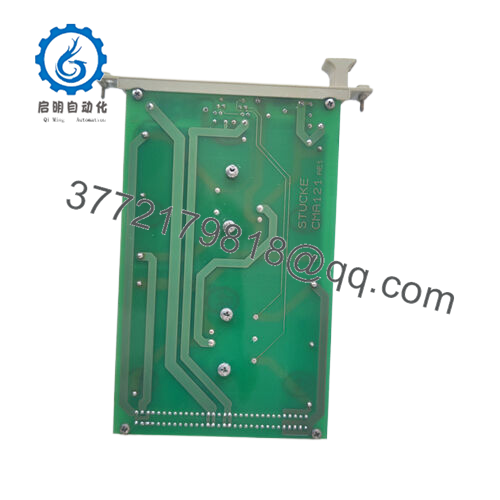
- Product Introduction The ABB CMA135 (part reference 3DDE 300 415) is a dedicated automatic control module within the SYNPOL D system, built for marine diesel engines in generator sets and propulsion auxiliaries. It manages the full start-stop sequence, including pre-lube, cranking attempts with cool-down, and automatic shutdown on critical faults.
Field experience shows it excels in harsh marine environments with reliable relay-based logic and straightforward troubleshooting. Many vessels still run these units decades after installation because replacements are drop-in compatible and avoid full system upgrades.

- CMA135
- Installation & Configuration Guide
Stage 1: Pre-Installation Preparation (≈ 20–45 minutes) ⚠️ Safety First: Shut down the diesel engine, isolate battery/DC supply, lock out/tag out. Discharge any capacitors and verify 0 V on terminals with multimeter. Coordinate with engine room watch for genset downtime. Tools Required: Grounded ESD wrist strap, PH1/PH2 screwdrivers, multimeter, wire labels, torque screwdriver (0.5–1 Nm range), smartphone for photos, terminal crimpers if rewiring. Data Backup: Photograph all terminal connections (both sides), note any jumper positions or link settings on the board, record engine parameter settings if interfaced to a higher-level panel.
Stage 2: Removing the Old Module (≈ 15–30 minutes)
- Confirm zero voltage on all terminals.
- Label and disconnect field wiring (use numbered tags; do not rely on memory).
- Remove mounting screws or DIN clips.
- Gently pull module straight out; inspect backplane/terminal board for corrosion or loose pins. ⚠️ Keep the old module intact until the new one is commissioned—often needed for reference or return if issues arise.
Stage 3: Installing the New Module (≈ 20–40 minutes)
- Apply ESD strap. Verify new CMA135 matches markings (3DDE 300 415).
- Configuration Clone (Crucial): Match any jumpers, links, or selector switches exactly from your photos (e.g., cranking attempts limit, delay timers if adjustable).
- Seat module firmly into terminal board or rack.
- Reconnect wiring terminal-by-terminal (torque to 0.5–0.8 Nm typical for screw terminals). Self-Checklist: [ ] Jumpers/links match old unit, [ ] All wires secure and labeled, [ ] No loose strands, [ ] Module fully seated.
Stage 4: Power-On & Testing (≈ 45–120 minutes) Pre-Power Check: Measure insulation resistance (>1 MΩ at 500 V DC) on input/output terminals to ground. Check for shorts between 24 V and common. Power-On Steps:
- Restore 24 V DC control power only (no engine fuel/start yet).
- Observe status LEDs (power OK, no immediate faults).
- Simulate start command (if test switch available) or use panel interface—monitor relay clicks for cranking sequence.
- Perform dry-run: Trigger start/stop cycles without engine running; verify timing and shutdown logic.
- Connect to engine for live test: Low-speed crank attempt first, then full auto mode under supervision. ⚠️ Troubleshooting Note: No power LEDs? Check 24 V fuse or supply polarity. Relay doesn’t energize? Verify input sensor simulation or jumper settings. Persistent fault? Cross-check wiring against original photos—reversed polarity on speed pickup is common.
- Frequently Asked Questions (FAQ)
Can this CMA135 module be hot-swapped? No. Always isolate power first. The relays and logic can latch or misfire if swapped live, potentially causing unintended engine start or failure to stop—kill the 24 V supply and wait for discharge.
Is the CMA135 obsolete, and is your stock genuinely new? Yes, it’s a mature/obsolete product from the SYNPOL D era (no longer in active ABB production for new builds). We supply new surplus/original units from verified decommissioned stock or excess inventory. Each undergoes visual inspection, power-on test (LEDs and basic relay actuation), continuity checks, and 24-hour burn-in where possible. Test records/photos available on request.
What is the direct replacement if this is out of stock? No exact plug-and-play equivalent exists due to the specific terminal layout and SYNPOL D protocol. ABB may offer upgraded SYNPOL equivalents or migration to modern marine controllers (e.g., AC 800M-based), but that requires rewiring and re-engineering. In many cases, refurbished/tested CMA135 units are the practical path.
Will swapping the CMA135 erase engine parameters or settings? No—the module itself holds fixed logic with limited adjustable parameters (via jumpers or pots if present). Higher-level settings (if any) live in a connected panel or separate controller. Still, always document and verify sequences after swap.
Why is your price lower than original ABB list? This is new surplus (unused, factory-original but from older stock batches or project overages), not current production. We add rigorous testing but avoid OEM distribution margins. For critical marine applications, confirm with your classification society or ABB marine service if needed for certification continuity.