 WhatsApp: +86 16626708626
 Email:
  Phone: +86 16626708626
Description
3. Key Technical Specifications
| Parameter | Value |
|---|---|
| Manufacturer | ABB |
| Model | PGC5000 |
| Product Type | Process Gas Chromatograph Analyzer |
| Analytical Function | Continuous chemical composition measurement |
| Detector Types | TCD (Thermal Conductivity), FID (Flame Ionization), FPD |
| Analyzer Architecture | Modular Smart Oven platform |
| Controller | PGC5000A Master Controller |
| Communication | Ethernet |
| User Interface | 10″ touchscreen HMI on master controller |
| Data Connectivity | Fiber-optic links to multiple analyzers |
| Temperature Control | Multi-zone digital temperature regulation |
| Typical Applications | Hydrocarbon processing, refinery streams, natural gas measurement |
The PGC5000 series performs real-time analysis of the chemical composition of process gas streams, enabling operators to maintain product quality and process efficiency.

- PGC5000
4. Product Introduction & Supply Chain Strategy
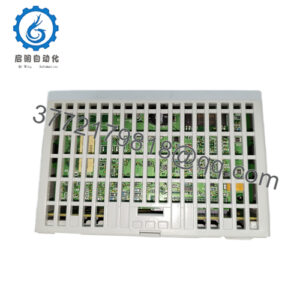
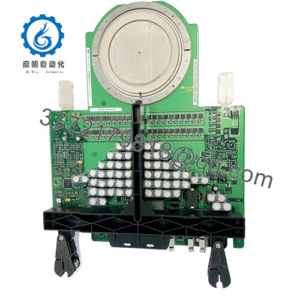
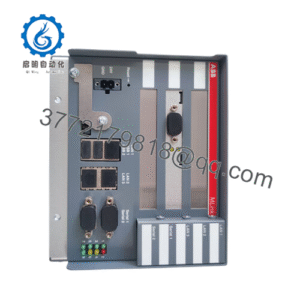
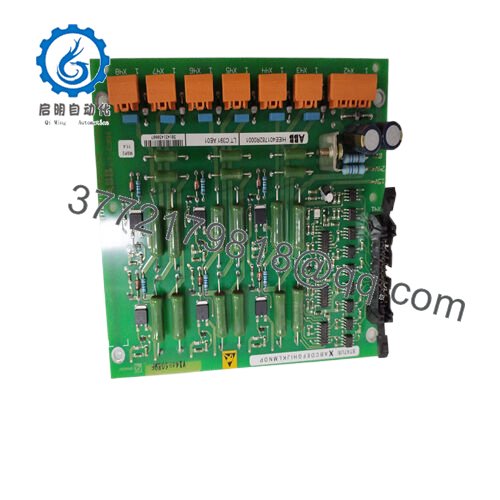
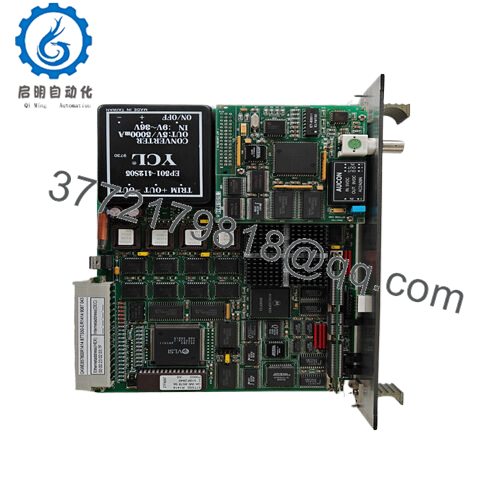
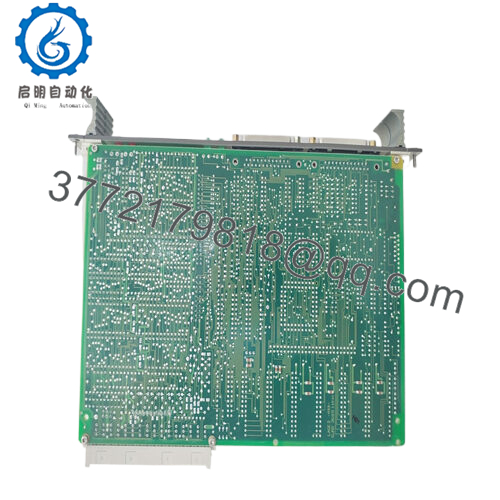
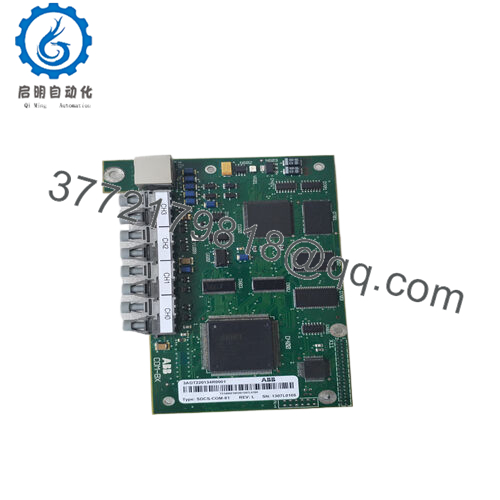
The ABB PGC5000 is an industrial process gas chromatograph used in refineries, petrochemical plants, and natural-gas processing facilities. It continuously analyzes process streams to determine gas composition, enabling precise control of blending operations, combustion efficiency, and product specifications. The platform uses modular Smart Oven analyzers and a master controller to coordinate detectors, valves, and analytical sequences.
This product is a Brand New Surplus unit. It is not used, not pulled from a decommissioned plant, and not refurbished. Process analyzers operate for decades but contain specialized electronics, detectors, and valves that may become difficult to source once OEM production shifts. Maintaining buffer stock for critical boards, controllers, and detector assemblies reduces analyzer downtime and mitigates lead time variability, protecting overall Total Cost of Ownership (TCO) in large process plants.
5. Installation & Configuration Guide
Stage 1 — Pre-Installation (Prep & Safety)
- Apply lock-out/tag-out (LOTO) procedures on the analyzer cabinet power supply.
- Verify the process sample line is isolated and purged.
- Export current chromatograph method configuration and calibration files.
- Document wiring connections for detectors, valves, and communication ports.
Stage 2 — Removal
- Disconnect communication cables and field I/O.
- Shut off carrier gas and sample lines.
- Remove the analyzer module or controller from the rack or cabinet mounting frame.
Stage 3 — Installation (Clone & Seat)
- Install the new module or analyzer unit in the same mounting location.
- Reconnect carrier gas, detector wiring, and communication links.
- Import the previously saved chromatography method configuration.
Stage 4 — Power-On & Testing
- Restore analyzer power and verify controller boot status.
- Confirm detector temperature zones stabilize within configured ranges.
- Run a calibration gas validation sequence.
- Verify chromatogram output and communication with the DCS.
6. Firmware/Software Versions & Upgrade Notes
- The PGC5000 platform typically operates with PGC5000 software version 3.x or later.
- Analyzer methods and chromatogram processing rely on the system software running on the PGC5000A master controller.
- Upgrading software may change peak integration algorithms and analysis method handling, requiring recalibration.
- During hardware replacement, maintain the same firmware/software revision whenever possible to avoid chromatographic method incompatibility.
7. Frequently Asked Questions (FAQ)
Q1: What does the PGC5000 analyzer actually measure?
It measures the chemical composition of gas streams, identifying and quantifying components such as hydrocarbons, hydrogen, nitrogen, and sulfur compounds.
Q2: Are these analyzers truly new if labeled surplus?
Yes. New Surplus means the analyzer or module was manufactured by ABB but never installed in a process facility. Components show zero operational wear and original manufacturing integrity.
Q3: Why is the price lower than ordering from the OEM?
Surplus units already exist in the global supply chain. This avoids OEM manufacturing lead times and often reduces cost while remaining genuine ABB equipment.
Q4: What industries typically use the PGC5000?
Common installations include refineries, LNG plants, petrochemical units, and natural-gas custody transfer systems.
Q5: What happens if a gas chromatograph fails in a refinery unit?
Operators may lose real-time composition data, forcing the process into manual control or conservative operating limits, which can reduce throughput.
Q6: Should plants keep spare PGC5000 components on-site?
Yes. A standard reliability strategy is to maintain critical spare boards, detectors, and controller modules to prevent extended downtime caused by long analyzer repair cycles.
Q7: What warranty coverage is provided?
Each unit includes a 12–24 month warranty, serial verification, and documented QC inspection prior to shipment.