 WhatsApp: +86 16626708626
 Email:
  Phone: +86 16626708626
Description
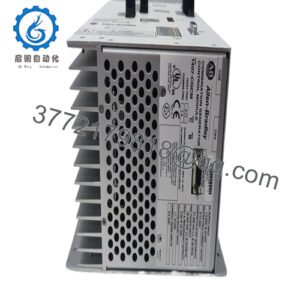
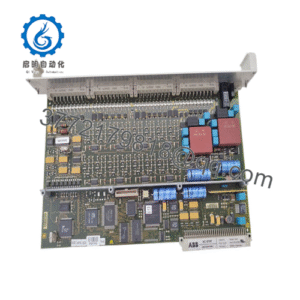
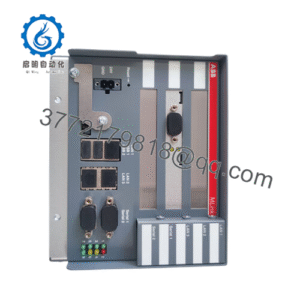
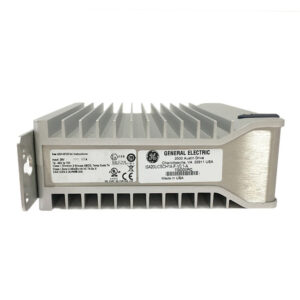
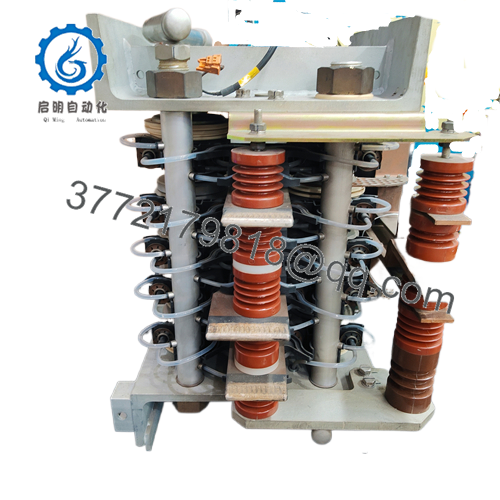
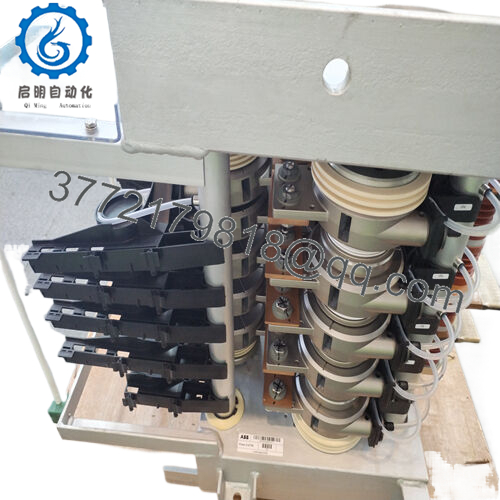
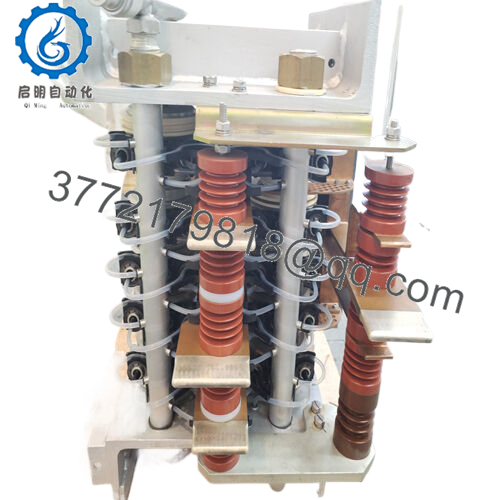
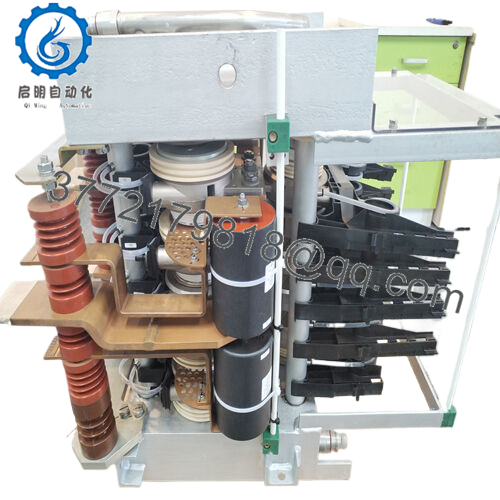
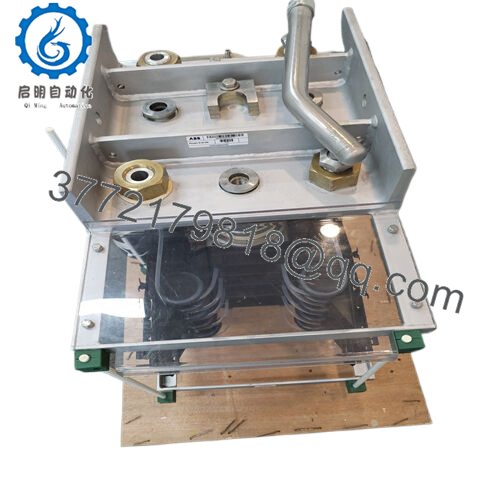
- Model: S-113N
- Brand: ABB
- Series: ACS6000
- Core Function: Phase leg for power conversion in MV drives
- Product Type: Phase Module (INU/ARU building block)
- Key Specs: 11 MVA peak power rating | IGCT semiconductors | Water-cooled
- Condition: New Surplus
- Inventory Status: Obsolete / EOL spare part – strategic last-time-buy recommended for ACS6000 systems still in service
Key Technical Specifications
- Power Rating: 11 MVA peak (per phase module configuration)
- Topology: 3-level voltage source inverter leg (6-pulse equivalent per INU)
- Semiconductors: Integrated Gate Commutated Thyristors (IGCT)
- Cooling: Water-cooled (deionized water supply required)
- Operating Voltage Range: Compatible with ACS6000 bus voltages up to ~3300 V DC link
- Efficiency: >98% typical in drive system context
- Weight: Approximately 150–190 kg (module only, varies by source)
- Applications: High-power motor control in ACS6000 multidrives (3–27 MW total)
- Environmental: Designed for industrial harsh conditions; IP rating per cabinet (typically IP42 or higher)
- Compatibility: Direct replacement in ACS6000 INU/ARU cabinets
The ABB S-113N 3BHB018008R0101 phase module forms a core building block in the ACS6000 medium-voltage drive family. It contains the power semiconductors and associated wiring for one phase leg, enabling the inverter unit (INU) to convert DC link voltage to variable AC for motor control or the active rectifier unit (ARU) for line-side rectification. These modules support high-power, water-cooled configurations for single- or multi-motor setups in industries like mining, oil & gas, and heavy process manufacturing.
Buying this as New Surplus delivers strong TCO advantages for plants running legacy ACS6000 systems. With the model now obsolete, securing genuine New Surplus units avoids stock-outs during failures, where lead times for equivalents can exceed 12–18 months. New Surplus parts eliminate risks of hidden degradation in refurbished modules—such as aged IGCTs or capacitors that cause premature faults and costly downtime (often $50,000+ per incident in high-power applications). Expect 10–15 year remaining lifespan with full OEM reliability, backed by verifiable traceability and QC testing.

- S-113N 3BHB018008R0101
Installation & Configuration Guide
Stage 1: Pre-Installation (Prep & Safety) Lock out and tag out the drive system per site LOTO procedures. Discharge the DC link capacitors fully and verify zero energy state with voltmeter. Gather tools: ESD wrist strap (mandatory), torque wrench, lifting aids (crane or hoist rated >200 kg), camera for photos. Document existing phase module: photograph all busbar connections, fiber optic links, cooling hoses, and any labeling. Record firmware version on control boards if accessible.
Stage 2: Removal De-energize and ground the cabinet per ACS6000 manual (use grounding set if no switch). Disconnect power cables, control wiring, and cooling hoses carefully—cap hoses to prevent contamination. Remove securing bolts and busbar links without bending pins or damaging threads. Use extraction aids to pull the ~150–190 kg module straight out onto a transport table—never tilt or force to avoid damaging backplane or fiber connections.
Stage 3: Installation (Clone & Seat) Transfer exact configurations: replicate any jumpers, DIP settings (if present), or serial numbers for tracking. Align the new module precisely with cabinet guides. Seat it fully into the rack—ensure backplane connectors engage without force. Reconnect all busbars (torque to OEM specs), fiber optics (handle by ends only), and cooling hoses (check for leaks). Verify no pinched wires or loose connections.
Stage 4: Power-On & Testing Re-energize step-by-step: apply control power first, check 24 V rails and LEDs for normal status (RUN vs. fault codes). Perform insulation tests if required. Download drive logic/firmware if needed. Run no-load tests, monitor temperatures and vibrations, then load test. Confirm phase balance, no alarms, and proper torque/speed response.
Firmware/Software Versions & Upgrade Notes Recommended firmware: Match the existing ACS6000 system version (typically via BCU control board or AMC—consult site-specific drive parameters). Common versions are in the 10.x or later range for legacy ACS6000.
Backward compatibility: New Surplus modules are drop-in replacements; no firmware change required if matching the original. Forward compatibility issues: Upgrading to newer BCU-55 or similar may require control board swaps—avoid unless planned modernization.
Risk warning: Firmware mismatch during swap can cause communication timeouts or DTC faults. Never upgrade firmware on a single phase module swap without full system validation—downgrading risks protocol errors. Always back up existing parameters before changes.
Frequently Asked Questions (FAQ)
Is this really New Surplus and not refurbished? Yes—this is genuine New Surplus from authorized surplus channels. Original OEM packaging (opened only for QC), zero operational hours, no repairs or component swaps. We reject anything used or refurbished outright.
Why is the price higher than refurbished but lower than full OEM new? New Surplus secures authentic stock globally amid obsolescence, adding 20–30% over refurb quotes but far below ABB list. You pay for verified IGCT integrity and 10–15 year life instead of gambling on hidden wear.
Is the S-113N 3BHB018008R0101 obsolete? Yes—EOL for ACS6000 spares. Stock now as insurance; lead times for alternatives are long. We track lifecycle to flag last-time-buy windows.
Can this be hot-swapped? No—ACS6000 phase modules require full de-energization, grounding, and lockout. Hot-swap risks arc flash and damage. Follow manual procedures strictly.
Does the module retain programming or need reconfiguration? The phase module itself is hardware—no onboard logic. Control firmware/parameters stay in the COU/BCU. Clone configs visually (photos) and verify post-install.
What warranty do you offer? 1–2 years standard on New Surplus parts, covering defects. Includes OEM packing slips, serial verification, and full QC report (power-on test, insulation check).
How do you ensure authenticity and quality? Inbound: OEM traceability + anti-counterfeit serial check. Functional: rack test with communication handshake and I/O sim. Electrical: insulation/continuity verified. Final: ESD re-bag, signed QC, heavy-duty crating.