 WhatsApp: +86 16626708626
 Email:
  Phone: +86 16626708626
Description
Product Core Brief
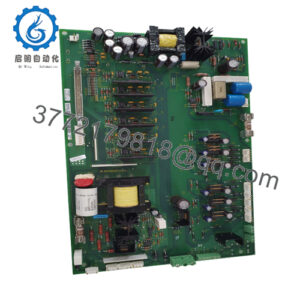
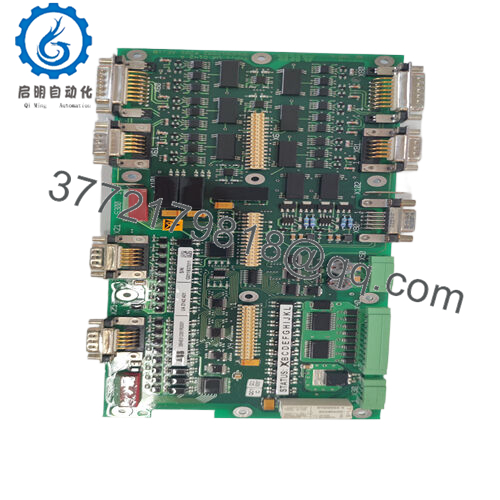
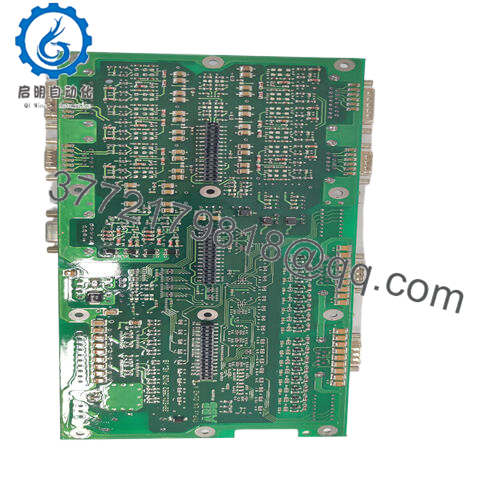
- Model: UAD155A0111 (3BHE029110R0111)
- Brand: ABB
- Series: ABB Industrial Drive Control Platform
- Core Function: Drive control and signal processing board
- Product Type: Industrial control PCB / drive controller module
- Key Specs: Digital drive control | Multi-signal processing | Industrial backplane interface
- Condition: New Original / New Surplus
- Inventory Status: Limited global availability; strategic buffer stock recommended due to lifecycle maturity
3. Key Technical Specifications
| Parameter | Value |
|---|---|
| Manufacturer | ABB |
| Model Number | UAD155A0111 |
| Secondary Part Number | 3BHE029110R0111 |
| Product Category | Drive Control Board |
| Platform Compatibility | ABB industrial drive control systems |
| Communication Interface | Internal backplane communication |
| Control Function | Signal processing and drive logic management |
| Power Supply | 24 V DC control supply via system backplane |
| Operating Temperature | 0 to 55 °C typical industrial range |
| Mounting Type | Rack / backplane installation |
| PCB Protection | Conformal coated industrial PCB |
| Lifecycle Status | Late lifecycle component — controlled inventory advised |

- UAD155A0111 3BHE029110R0111
4. Product Introduction & Supply Chain Strategy
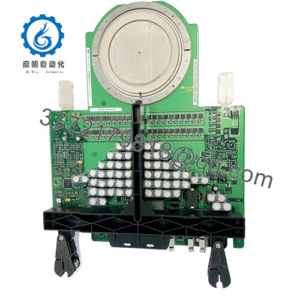
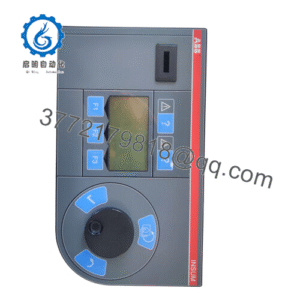
The ABB UAD155A0111 (3BHE029110R0111) is a control PCB used within ABB industrial drive and excitation control architectures. It manages signal processing, internal control logic, and communication with other system modules through the backplane. Plants typically deploy this board in high-power motor control systems, turbine drives, or heavy process automation environments.
This product is a Brand New Surplus unit. It is not used, not pulled from a decommissioned plant, and not refurbished. All modules undergo rigorous quality verification to ensure OEM-level reliability. Procuring New Surplus inventory protects plants from lead time variability and unexpected downtime. For mature ABB platforms approaching lifecycle sunset, maintaining buffer stock lowers Total Cost of Ownership (TCO) compared with emergency purchases or risky refurbished hardware.
5. Installation & Configuration Guide
Stage 1 — Pre-Installation (Prep & Safety)
- Apply lock-out/tag-out on the drive cabinet before touching the rack.
- Wear a grounded ESD wrist strap and prepare anti-static handling surfaces.
- Photograph the original module’s DIP switches, wiring terminals, and slot position.
- Verify spare part number UAD155A0111 / 3BHE029110R0111 matches the existing board revision.
Stage 2 — Removal
- Power down the control rack completely.
- Release the front locking tabs or retaining screws.
- Pull the board straight out using even force to avoid bending backplane connector pins.
- Place the removed board in an anti-static bag for traceability.
Stage 3 — Installation (Clone & Seat)
- Replicate the DIP switch or jumper configuration from the original board exactly.
- Align the PCB rails with the rack guides.
- Insert the board slowly until the backplane connector seats fully.
- Secure retaining screws or locking clips.
Stage 4 — Power-On & Testing
- Restore cabinet power and confirm 24 V control supply stability.
- Observe front panel LEDs: RUN indicator should illuminate without ERR alarms.
- Check controller communication handshake with the drive system.
- Load or verify the existing control configuration in the drive controller.
6. Firmware/Software Versions & Upgrade Notes
- Recommended Firmware Baseline: Maintain the same firmware revision as the replaced module whenever possible.
- Compatibility Note: Large revision jumps (for example V2.x → V3.x) may cause communication timing issues with legacy drive firmware.
- Driver Dependencies: Verify compatibility with the installed ABB drive control software stack before updating firmware.
- Upgrade Risk: Upgrading firmware during a hardware replacement introduces troubleshooting complexity. Best practice is hardware swap first, firmware change later after stable operation is confirmed.
7. Frequently Asked Questions (FAQ)
Q1: Are these modules truly new if they are called “New Surplus”?
Yes. New Surplus means the module is original OEM manufacturing that remained unused in controlled inventory. It retains original components, untouched backplane pins, and no solder repairs.
Q2: Why is the price lower than buying directly from the OEM but higher than refurbished listings?
OEM direct pricing often reflects factory list price. Refurbished sellers discount heavily because the hardware already experienced service wear. New Surplus sits between the two — genuine unused hardware with a lower acquisition cost than factory procurement.
Q3: Is this module approaching End-of-Life?
Many ABB drive control boards from this generation are in late lifecycle status. Plants running these systems should maintain at least 1–2 units of buffer stock to avoid stock-out incidents during failures.
Q4: Can the module be hot-swapped?
No. Most ABB drive control racks do not support hot swapping for this board class. Always shut down the control cabinet to prevent backplane damage or controller faults.
Q5: Will my existing configuration remain after replacement?
Configuration normally resides in the main controller or system storage. However, document DIP switch settings and firmware versions before removal to prevent communication mismatches.
Q6: What warranty is provided?
New Surplus modules typically include a 12–24 month functional warranty, far longer than the 30-day coverage common in refurbished markets.
Q7: Why avoid refurbished control boards in critical drives?
Refurbished electronics often contain aging capacitors or relays. A low purchase price can lead to expensive downtime. In one chemical plant case, a refurbished control module failed within three months, forcing a reactor shutdown that cost far more than the savings from buying used hardware.