 WhatsApp: +86 16626708626
 Email:
  Phone: +86 16626708626
Description
3. Key Technical Specifications
- Application: GE turbine control systems (Mark I / early Speedtronic)
- Function Type: Low value gate control board
- Input Signals: Analog control signals (valve positioning, feedback loops)
- Output Signals: Gate drive/control outputs to valve actuators
- Interface: GE proprietary backplane or wired interface
- Power Supply: Backplane-powered (typical internal rails 5 V / 24 V)
- PCB Type: Multi-layer industrial control board
- Operating Temperature: 0°C to +60°C
- Mounting: Rack-mounted PCB
- Dimensions: Approx. 13 × 8 × 1 in
- Weight: ~0.8 kg (shipping ~1.8 lbs)
4. Product Introduction
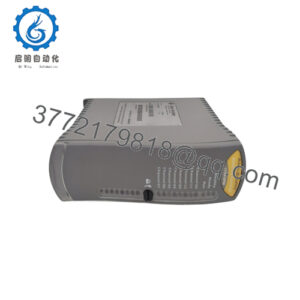
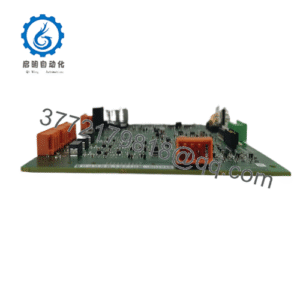
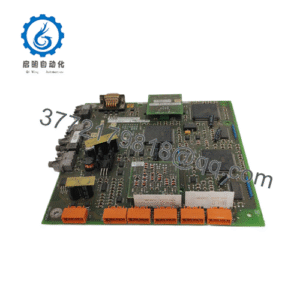
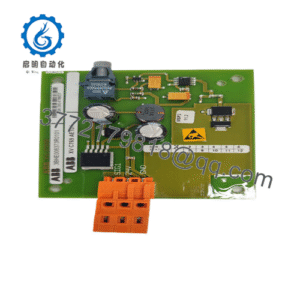
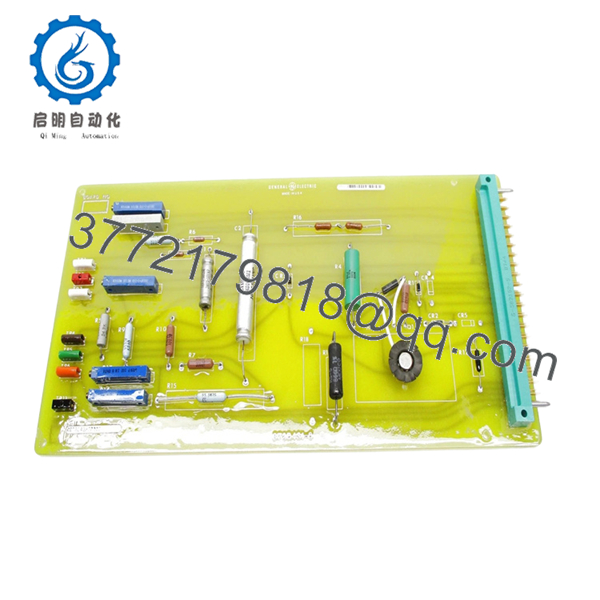
The GE 0872D432G0003 is a Low Value Gate control PCB used in early GE Speedtronic turbine control systems, primarily handling valve gating signals and associated control logic. It interfaces with analog control loops responsible for turbine valve actuation.
In field maintenance, this board typically appears in legacy gas or steam turbine systems where Mark I architecture is still operational. Engineers keep this exact part number on hand because even small deviations in gate signal handling can destabilize valve response and trip the unit.

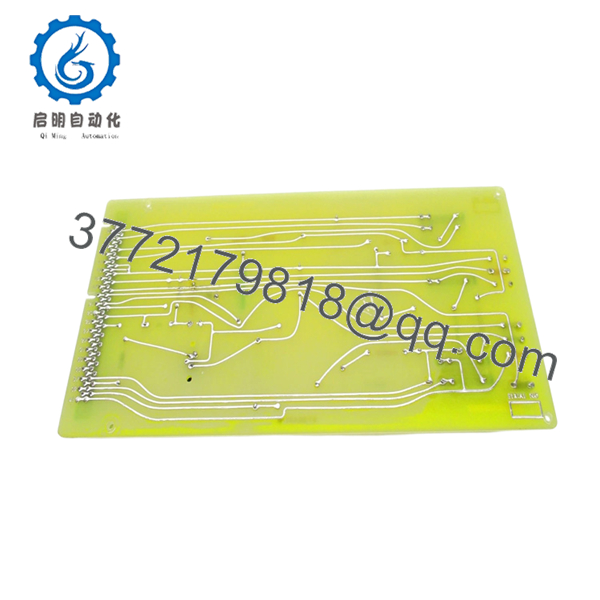
- 0872D432G0003
- 0872D432G0003
5. Installation & Configuration Guide
Stage 1: Pre-Installation Preparation (Estimated Time: 10–15 min)
- ⚠️ Safety First:
Shut down turbine, isolate control power, apply lockout/tagout, and wait at least 5 minutes. - Tools Required:
ESD wrist strap, PH1 screwdriver, Fluke 115 multimeter, labeling tape, smartphone. - Data Backup:
- Photograph board location and wiring harnesses
- Record terminal connections and routing
- Capture current valve control readings from HMI
Stage 2: Removing the Old Module (Estimated Time: 5–10 min)
- Open control cabinet and locate the board.
- Identify and label all connectors (critical in older GE systems).
- Disconnect cables carefully — no twisting or pulling.
- Release mounting hardware or card guides.
- Pull the board straight out to avoid connector damage.
- Inspect backplane or connectors for oxidation or looseness.
- ⚠️ Note: Keep the old board available. You may need it for signal comparison during commissioning.
Stage 3: Installing the New Module (Estimated Time: 5–10 min)
- Apply ESD protection before handling.
- Confirm exact model: 0872D432G0003 (no suffix deviation).
- Configuration Check (Critical):
- Verify jumper settings or component options
- Match any field modifications from the original
- Insert the board into the correct rack slot.
- Ensure full seating — no partial insertion.
- Reconnect wiring exactly as labeled.
- Self-Checklist:
[ ] Correct model
[ ] Wiring verified
[ ] Board seated fully
[ ] No loose connectors
Stage 4: Power-On & Testing (Estimated Time: 10–15 min)
- Pre-Power Check:
Measure supply rails for shorts. - Power-On Steps:
- Energize control system only (keep turbine offline).
- Monitor system alarms and diagnostics.
- Verify valve control signals respond correctly.
- Check feedback loops for stability.
- Perform controlled functional test.
- ⚠️ Troubleshooting Note:
- Erratic valve movement → check grounding and shielding
- No output → verify connector seating and signal path
- Immediate trip → suspect incorrect board revision
6. Frequently Asked Questions (FAQ)
Q1: Can this board be hot-swapped?
No. These early GE systems do not support hot-swapping. You risk damaging the control rack or introducing transient faults.
Q2: Is this part obsolete?
Yes. This is a legacy Mark I component. Most available units are surplus or refurbished. Pricing varies widely due to scarcity and condition.
Q3: What exactly does “Low Value Gate” mean?
It refers to the control of low-level gating signals used in valve actuation circuits. These signals directly influence how valves open/close in response to control logic.
Q4: Can I substitute a similar GE board?
No. GE used many similar-looking boards in this series. Even small differences in gating circuitry can cause unstable valve behavior or trips.
Q5: Why are these boards expensive on the secondary market?
Limited supply + critical function. If this board fails, the turbine is offline. That drives pricing more than original OEM cost.
Q6: What’s the most common failure mode?
- Aging analog components (drift in signal conditioning)
- Capacitor degradation
- Connector oxidation
After 20+ years, failure probability increases sharply.
Q7: What’s the biggest mistake during replacement?
❗ Mixing up wiring or assuming identical boards behave the same.
I’ve seen valve oscillation issues that took hours to trace back to a single miswired connector.