 WhatsApp: +86 16626708626
 Email:
  Phone: +86 16626708626
Description
Key Technical Specifications
- Manufacturer: GE
- Model: 186C9303G2
- Associated part number: 186C9301P2
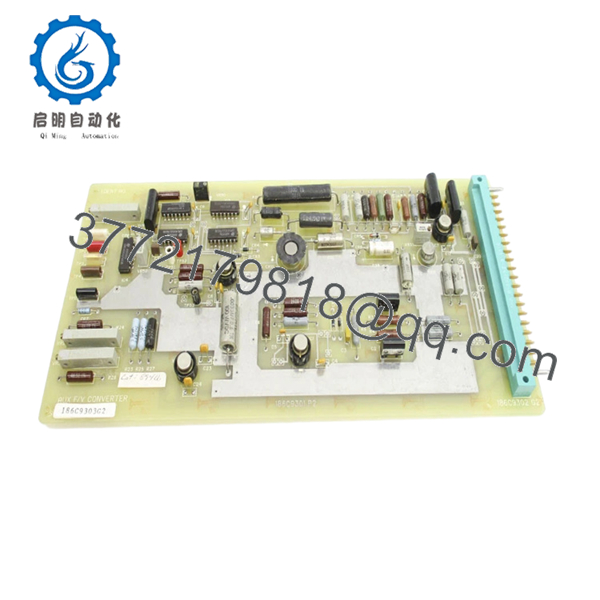
- Product type: Converter board
- Function: Frequency-to-voltage conversion
- Application: Industrial control electronics
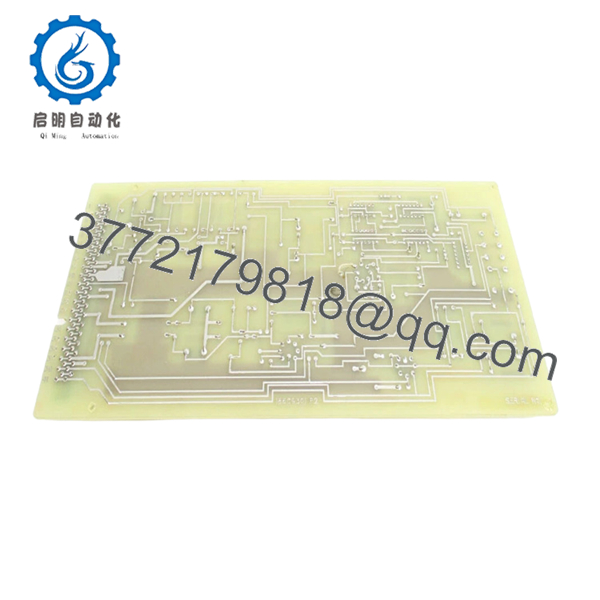
- Assembly form: Printed circuit board
- Compatibility note: Verify exact revision and connector layout before ordering
- Condition: New Original / New Surplus
- Availability: Limited stock, subject to prior sale
Product Introduction
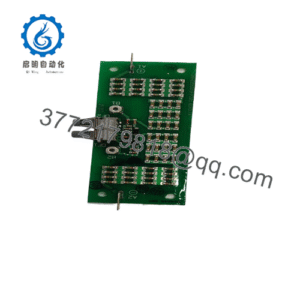
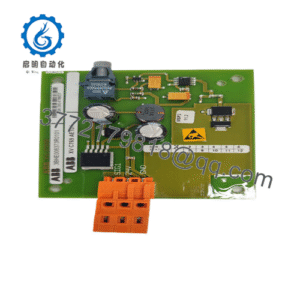
GE 186C9303G2 / 186C9301P2 is a GE converter PCB used in industrial control systems, with listings identifying it as a frequency-to-voltage converter board. Buyers typically source this part as an exact replacement for a legacy control assembly.
The main buying risk is revision mismatch. Confirm the suffix, board markings, and connector pattern against the removed unit before purchase, because a visually similar GE board can still be wrong for the application.
Troubleshooting Quick Reference
| Symptom | Possible Cause | Relevance to this Part | Quick Check Method | Recommendation |
|---|---|---|---|---|
| Output voltage is wrong or unstable | Converter board fault, bad input signal, or wiring issue | ✅ High | Measure input frequency and output voltage at the board terminals | Verify the source signal first, then replace if output is still off |
| No output signal | Failed board, missing supply, or broken input path | ✅ High | Check supply voltage, then trace the input with a meter or scope | Confirm external power and signal before replacing |
| Output drifts during operation | Thermal stress or aging components | ✅ Medium | Run the board under load and watch output drift over time | Replace if drift repeats on a known-good setup |
| System alarm after board swap | Wrong revision or incompatible wiring | ✅ High | Compare the removed board’s suffix, connector layout, and wiring notes | Recheck part number compatibility before power-up |
| Intermittent conversion failure | Loose connector, contamination, or cracked solder joint | ✅ High | Reseat the board and inspect connectors under good light | Clean, reseat, then replace if the fault returns |
| Physical damage or corrosion | Storage damage or prior failure | ✅ High | Inspect both sides of the PCB for burn marks, corrosion, and rework | Do not install; request a replacement unit |
If you are stuck, contact technical support with photos of the board, connector side, and any fault readings.

- 186C9303G2 186C9301P2
Frequently Asked Questions
Q: What does 186C9303G2 / 186C9301P2 do?
A: It is listed as a GE frequency-to-voltage converter board. In plain terms, it converts an input frequency signal into a usable voltage signal for the control system.
Q: Is this a direct replacement?
A: Usually yes, if the suffix, connector layout, and board revision match the removed part. I would not buy it based on the model number alone.
Q: Why do some listings call it a PCB board and others call it a converter board?
A: Because the product is a printed circuit board that performs a converter function. Both descriptions are pointing to the same hardware class, but the function wording helps buyers search for it faster.
Q: Can I install it without checking anything else?
A: No. Verify the wiring, connector orientation, and input/output signal expectations first. A close-looking GE board can still have different pin behavior.
Q: Why is surplus stock cheaper than factory new?
A: It is usually legacy inventory, overstock, or a tested pull, not fresh production. That lowers cost, but it also makes condition and test status important.
Q: Does this part need programming?
A: Not usually at the board level. The important part is matching the electrical interface and calibration behavior of the existing system.
Q: What is the biggest installation mistake?
A: The biggest mistake is assuming the suffix does not matter. On older GE boards, the suffix often tells you whether the board will fit, wire, and function correctly.