 WhatsApp: +86 16626708626
 Email:
  Phone: +86 16626708626
Description
3. Key Technical Specifications
| Parameter | Value |
| Product ID | DS200DACAG1ACD |
| System Series | Speedtronic Mark V |
| Board Acronym | DACA |
| Input Channels | Multiple AC signal inputs (LVDT/RVDT compatible) |
| Mounting | Card Cage / Standoff |
| Signal Processing | High-fidelity analog amplification |
| Compatibility | TMR and Simplex Mark V Cores |
| Operating Temp | 0 to 60°C (32 to 140°F) |
| Revision | 1ACD (Group 1, Rev ACD) |
4. Product Introduction
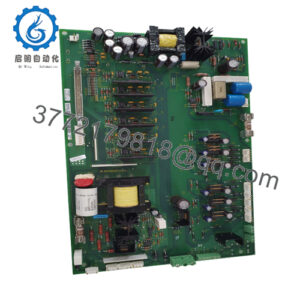
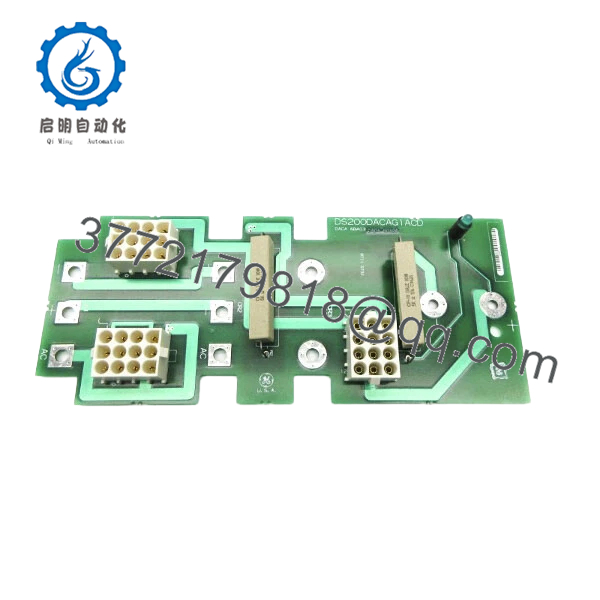
The GE DS200DACAG1ACD is a high-performance AC Amplifier board (DACA) used within the GE Speedtronic Mark V turbine control system. It plays a critical role in signal conditioning, specifically for position feedback sensors such as Linear Variable Differential Transformers (LVDTs) and Rotary Variable Differential Transformers (RVDTs).
This board translates low-level AC signals from the turbine field devices into high-level, filtered signals that the control core can accurately process. In the field, the DACA board is often the primary source of troubleshooting when a technician encounters “LVDT Calibration Failed” errors or “Position Feedback Drift” alarms. Its precision directly impacts the accuracy of fuel valve positioning and steam gate controls.

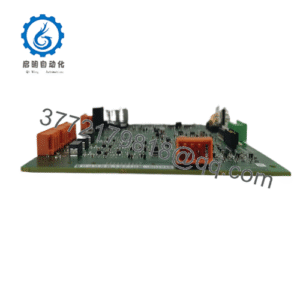
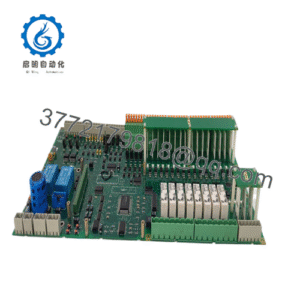
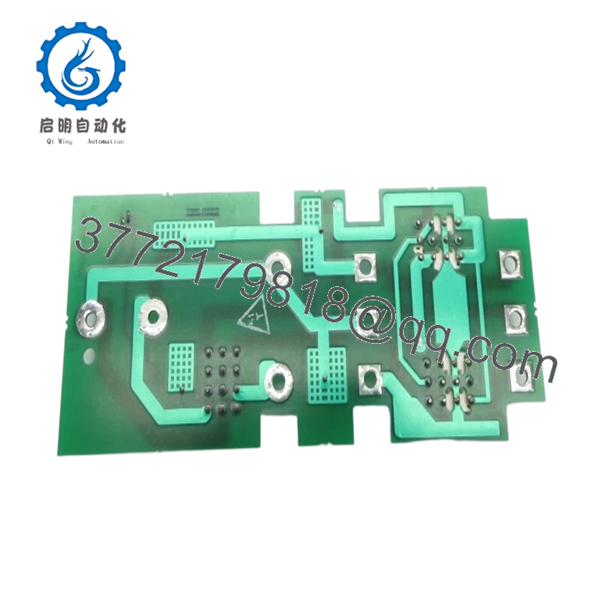
- DS200DACAG1ACD
5. Installation & Configuration Guide
Stage 1: Pre-Installation Preparation (Estimated Time: 15 mins)
- ⚠️ Safety First: Ensure the turbine is in “Offline” or “Safe” mode. Since this board controls valve feedback, a sudden signal loss could cause a valve to jump, potentially leading to mechanical damage.
- Tools Required: ESD wrist strap, non-conductive adjustment tool (for trim pots if necessary), and a PH1 screwdriver.
- Data Backup: Record the current LVDT calibration values from the <I> station or HMI. Crucial: Photograph the DIP switches (if present) and all jumper (J) positions.
Stage 2: Removing the Old Module (Estimated Time: 5 mins)
- Attach your ESD strap.
- Label and remove the ribbon cables. Be extremely careful with the pins—on Mark V boards, these pins are easily bent.
- Remove the mounting screws or release the plastic clips.
- Pull the board straight out to avoid scraping the backplane.
Stage 3: Installing the New Module (Estimated Time: 15 mins)
- Configuration Clone: Match every jumper on the new DS200DACAG1ACD to the old board. These jumpers often set the excitation frequency and gain for the LVDTs. An incorrect jumper here will make calibration impossible.
- Carefully seat the board into its slot or onto the standoffs.
- Secure all screws and reconnect the ribbon cables.
- Self-Checklist: [ ] Jumpers verified, [ ] Cables locked, [ ] Board seated.
Stage 4: Power-On & Testing (Estimated Time: 30 mins)
- Power up the core and check for “Card Mismatch” alarms.
- Mandatory Calibration: After replacing a DACA board, you must perform a full LVDT/RVDT calibration. Use the standard “AutoCal” routine or manual calibration procedure as specified in your GE maintenance manual.
- Verify that the feedback percentage on the HMI matches the physical valve position.
- ⚠️ Troubleshooting Note: If the signal is “Noisy,” check the shield grounding on the field wiring connected to the DACA board terminals.
6. Frequently Asked Questions (FAQ)
Q: Can I replace this board while the turbine is running?
A: In a TMR (Triple Modular Redundant) system, it is technically possible to replace a DACA board in a single core (R, S, or T) while the others remain active. However, I strongly discourage this for the DACA board because it handles position feedback. If the voting logic detects a large discrepancy during the swap, it might trigger a protective trip. Wait for an outage if possible.
Q: Why does my new board have a different revision letter (e.g., ACD vs. AAA)?
A: GE frequently updated the DACA artwork to improve noise immunity. The “ACD” revision is a later, more robust version. It is backward compatible with earlier Group 1 (G1) boards, provided the jumper settings are correctly replicated from the original.
Q: Does the DS200DACAG1ACD require manual tuning of potentiometers?
A: Most modern Mark V DACA boards are “factory set,” but some specialized applications might require fine-tuning the gain via trim pots. Unless you have a specific calibration procedure and an oscilloscope, I recommend leaving the factory trim settings alone and relying on the “AutoCal” software routine.
Q: What happens if I set the excitation frequency jumpers incorrectly?
A: If the frequency doesn’t match what the LVDT expects, you will get erratic feedback, high-temperature warnings on the LVDT coils, or a “Feedback Failure” alarm. Always mirror the old board’s hardware configuration exactly.
Q: Is “New Surplus” stock reliable for such an old system?
A: Yes, often more so than “refurbished” units. Our New Surplus DS200DACAG1ACD boards have been kept in climate-controlled storage. They haven’t been subjected to the constant heat of a control cabinet, which is the primary killer of the electrolytic capacitors and analog components on these boards.