 WhatsApp: +86 16626708626
 Email:
  Phone: +86 16626708626
Description
Key Technical Specifications
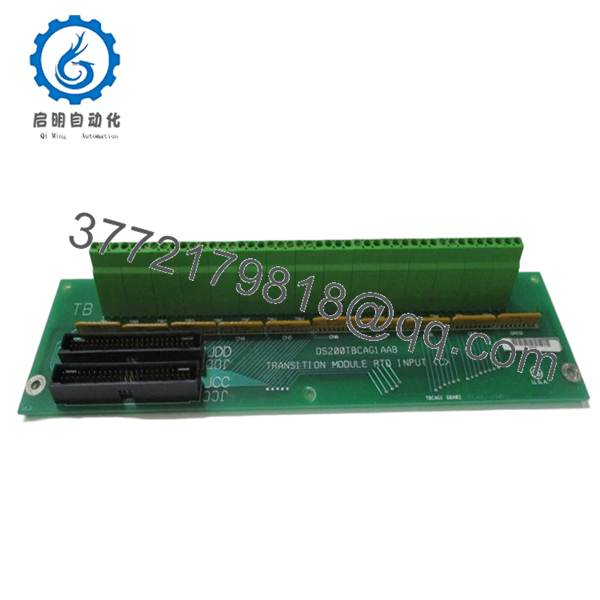
- Part Number: DS200TBCAG1ABB
- Brand: GE
- Series: Mark V
- Product Type: Thermocouple terminal board
- Function: Analog I/O termination for turbine control
- Application: GE Speedtronic Mark V systems
- Signal Type: Thermocouple analog input
- Compatibility: Verify exact board revision and cabinet layout
- Condition: New Surplus
- Stock Status: Limited availability
- Install Note: Match wiring, terminal numbering, and shield grounding before replacement
Product Introduction
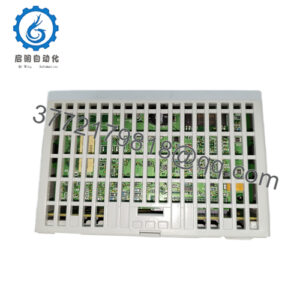
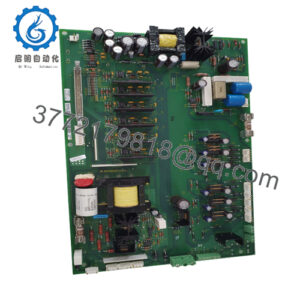
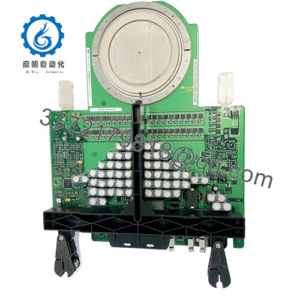
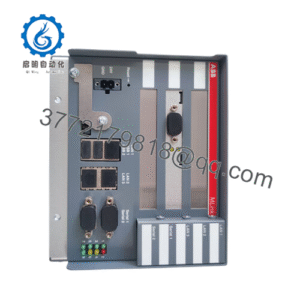
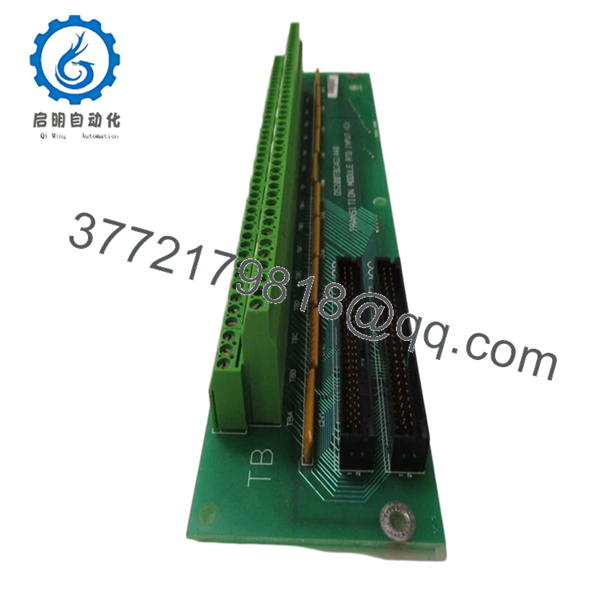
GE DS200TBCAG1ABB is a Mark V thermocouple terminal board used in GE Speedtronic turbine control systems. It provides analog I/O termination for temperature-related field signals.
This board is used when the original terminal board fails, shows damaged inputs, or needs a like-for-like replacement. Confirm the exact suffix, terminal layout, and site wiring before installation.

- DS200TBCAG1ABB
Troubleshooting Quick Reference
| Symptom | Possible Cause | Relevance to this Part | Quick Check Method | Recommendation |
|---|---|---|---|---|
| Thermocouple channel reads open | Broken field wire or failed terminal connection | ✅ High | Measure continuity from the field sensor to the board terminals | Check wiring first, then inspect the board connector |
| Temperature values drift or jump | Loose terminal, shield fault, or bad sensor | ✅ High | Wiggle-test the wiring and compare readings against a known source | Reseat conductors and verify shield termination |
| One channel fails, others work | Local terminal or input path issue | ✅ High | Compare the failed channel against neighboring channels | Swap the sensor lead before replacing the whole board |
| All channels show invalid input | Rack power, board seating, or cable issue | ⚠️ Medium | Check backplane power and board seating | Confirm rack power and connector alignment first |
| Alarm after board replacement | Wrong revision, pinout mismatch, or configuration mismatch | ✅ High | Compare the old board label, suffix, and terminal map | Stop and verify compatibility before powering again |
| Intermittent spikes on temperature input | EMI, bad shielding, or loose grounding | ✅ High | Inspect shield grounding and route away from high-power conductors | Fix wiring practice before blaming the board |
If you are stuck, contact technical support with clear photos of the label, terminal strip, wiring, and any diagnostic logs.
Frequently Asked Questions
Q: Is GE DS200TBCAG1ABB a direct replacement?
A: Usually yes, but only if the exact part number, suffix, and terminal layout match the original board. On Mark V systems, a close match is not good enough.
Q: What does this board do?
A: It terminates analog I/O, specifically thermocouple-related signals, in a GE Mark V turbine control system. It is part of the signal interface between field wiring and the controller.
Q: Is this part new or refurbished?
A: This listing is treated as New Surplus. That means unused excess stock, not factory-sealed OEM packaging.
Q: Why is it cheaper than OEM pricing?
A: Surplus inventory is usually priced lower because it comes from secondary stock channels instead of current factory supply. The lower price does not remove the need to verify compatibility.
Q: Can I hot-swap it?
A: No. Power down first and follow lockout/tagout. Pulling a terminal board live is a fast way to create a new failure.
Q: Will my temperature scaling stay the same after a swap?
A: Not automatically. Back up the original configuration, photograph the wiring, and verify the signal mapping after installation.
Q: What should I check before ordering?
A: Match the suffix, revision, terminal arrangement, and the exact GE Mark V application. Also confirm whether the board is for thermocouple input service, because that is where wiring mistakes get expensive fast.