WhatsApp: +86 16626708626
 Email:
  Phone: +86 16626708626
Description
3. Key Technical Specifications
| Parameter | Value |
| Part Number | DS3800HFPG1E1D |
| Manufacturer | General Electric (GE) |
| System | Speedtronic Mark IV |
| Inputs | Magnetic Pickup (MPU) / Frequency signals |
| Revision | G1E1D (Latest engineering revision) |
| Processing | Pulse-to-digital conversion for speed loops |
| Connectors | Edge-card gold finger connectors |
| Indicators | Diagnostic Status LEDs |
| Mounting | Standard Mark IV Control Rack |
4. Product Introduction & Supply Chain Strategy
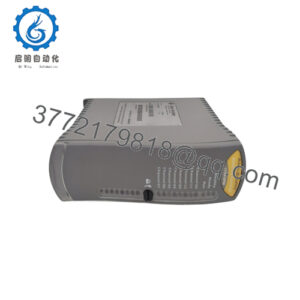
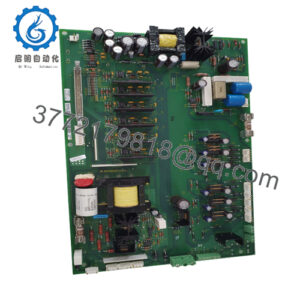
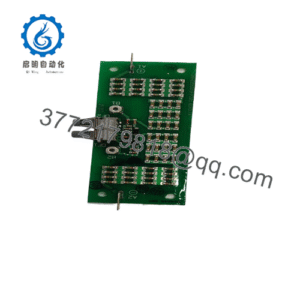
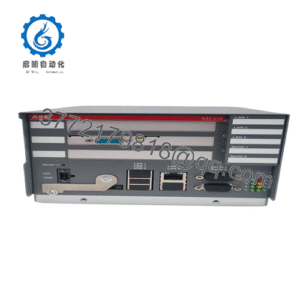
The GE DS3800HFPG1E1D is a vital component in the Mark IV Speedtronic turbine control system, specifically engineered to process frequency inputs from magnetic pickups (MPUs). It converts these raw pulses into digital data used by the control processors to regulate turbine speed, detect overspeed conditions, and manage synchronization.
As the Mark IV system is now several decades into its service life, the 53800 series is increasingly difficult to source. From a supply chain perspective, the DS3800HFPG1E1D is a high-criticality item because frequency signal failure leads to an immediate turbine trip. Purchasing this as “New Surplus” rather than refurbished is essential; the precision timing circuits on these boards are sensitive to the component drift and heat damage found in “pulled” parts. By stocking a New Surplus unit, you bypass the risk of intermittent speed signal “spikes” that cause nuisance trips and expensive restart cycles.
5. Installation & Configuration Guide
Stage 1: Pre-Installation (Prep & Safety)
Identify the specific core (<R>, <S>, or <T>) where the frequency card is located. Ensure the turbine is in a safe state for a control board swap. Wear an ESD wrist strap to protect the CMOS logic. Document any hardware jumpers or manual switch settings on the existing board—these are often used to define signal scaling or filter frequencies.
Stage 2: Removal
Unlock the card retainer bars in the Mark IV rack. Using the card pullers, gently extract the DS3800HFPG1E1D. Avoid touching the gold edge connectors. Inspect the backplane for dust or debris and clear it with compressed air if necessary.
Stage 3: Installation (Clone & Seat)
Verify that all jumper positions on the New Surplus board match your original configuration exactly. Align the board with the rack guides and slide it in firmly until the edge connectors are fully engaged. Re-secure the retainer bars to prevent vibration-induced loosening.
Stage 4: Power-On & Testing
Monitor the diagnostic LEDs upon power-up. Verify that the speed signal is being read accurately on the Mark IV operator interface. Perform a signal verification test by comparing the frequency reading on the HMI with a calibrated handheld tachometer at the turbine if accessible.
6. Firmware/Software Versions & Upgrade Notes
- Revision Matching: The “G1E1D” suffix represents a series of engineering improvements over the original G1 design. This revision is generally backward compatible and offers improved signal filtering for noisy electrical environments.
- Hardware Jumpers: Most “HF” boards use physical jumpers to select between different speed ranges or pickup types. Ensure these are set before the board is energized to prevent “Overspeed Fault” false alarms.
- Compatibility: This board is designed strictly for Mark IV hardware. It cannot be used in Mark V or Mark VI systems due to differing backplane architectures.
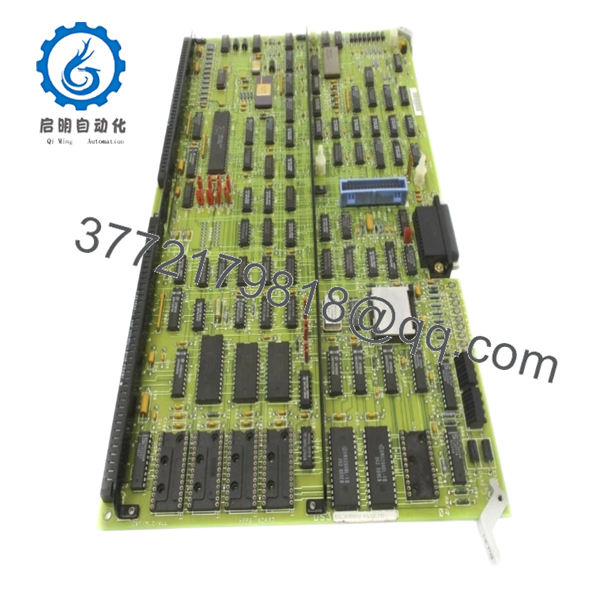
- DS3800HFPG1E1D
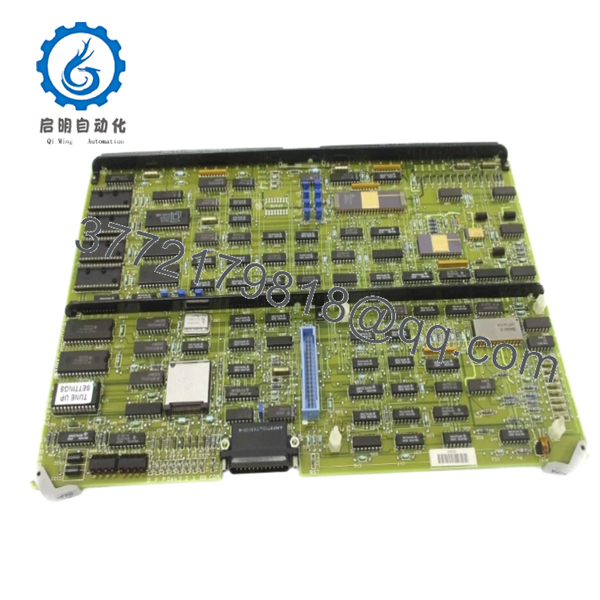
- DS3800HFPG1E1D
7. Frequently Asked Questions (FAQ)
Q: Is this board really new?
A: Yes. This is a New Surplus unit. While the Mark IV series is no longer in active production, this board was manufactured as a spare and kept in climate-controlled storage. It has zero hours of service and no thermal degradation.
Q: Why is “New Surplus” better than a refurbished Mark IV board?
A: Mark IV boards have been in service for 30+ years. Refurbished units are simply old boards with a few components replaced. New Surplus units provide original component integrity across the entire circuit, which is critical for frequency-sensitive speed loops.
Q: Can this board replace a DS3800HFPG1A?
A: Yes. The “E1D” suffix is a later revision of the “G1” group. GE designed these revisions to be backward compatible with earlier G1 variations, often including better noise suppression and improved reliability.
Q: Do I need to re-calibrate my magnetic pickups after installation?
A: Usually, no. If your jumpers are set correctly to match the previous board, the logic processing should remain consistent. However, we recommend a speed verification check during the first startup after replacement.
Q: Does this board handle the emergency overspeed trip?
A: This board processes the frequency data used for control and primary protection. Depending on your specific Mark IV configuration, it works in conjunction with the overspeed protection module to safeguard the turbine.