 WhatsApp: +86 16626708626
 Email:
  Phone: +86 16626708626
Description
Key Technical Specifications
- Manufacturer: GE
- Model: DS3800HLND1C1C
- Platform: Mark IV control system
- Category: PC board / network control board
- Weight: 0.58 lb
- Description: PC BOARD
- Use Case: PLC / machine control add-on board
- Condition Reference: Listed by suppliers as new and original or used, depending on stock
Product Introduction
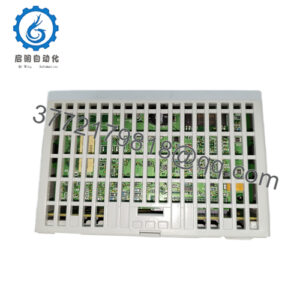
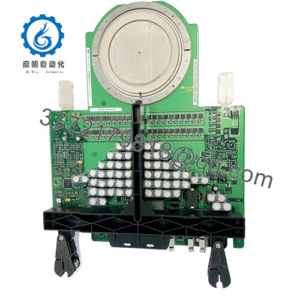
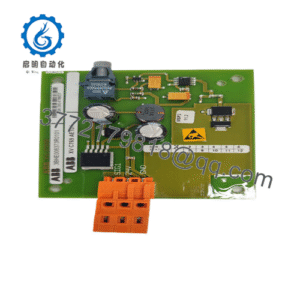
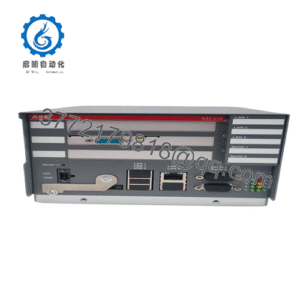
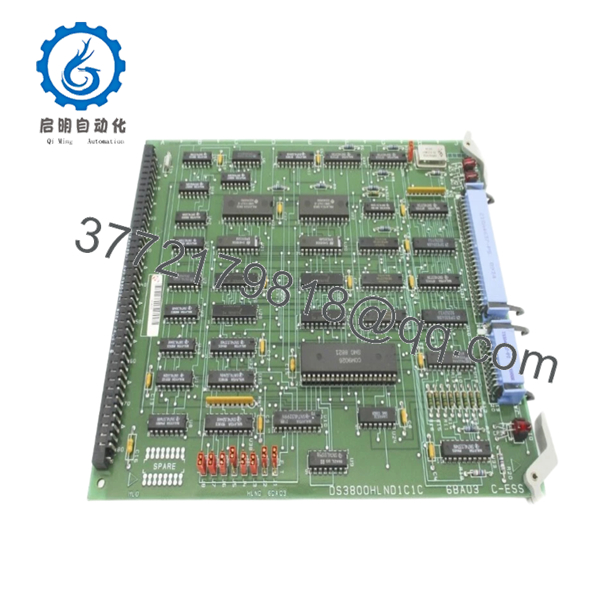
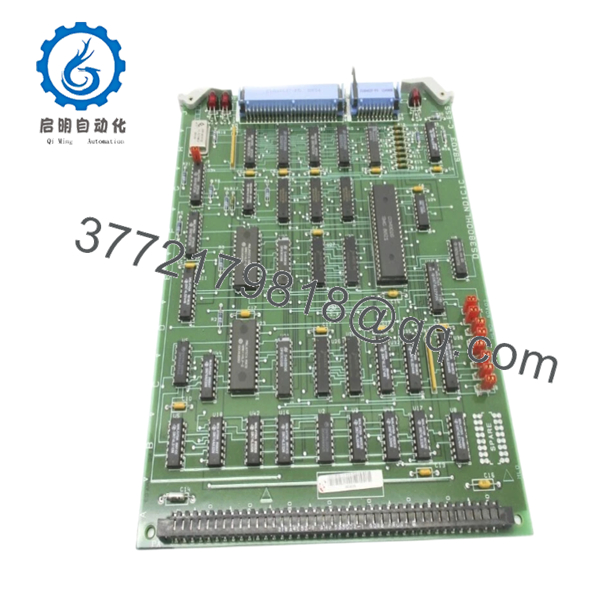
GE DS3800HLND1C1C is a Mark IV network control board used in industrial machine control systems. It is a PCB assembly in the DS3800 family and is listed by suppliers as a Mark IV control board or PC board for PLC and machine control applications.
For buyers, the main value is replacement compatibility with an installed Mark IV rack or control assembly. Before ordering, verify the exact suffix, board revision, connector pattern, and installation position, because these older GE boards are often site-specific.
Troubleshooting Quick Reference
| Symptom | Possible Cause | Relevance to This Part | Quick Check Method | Recommendation |
|---|---|---|---|---|
| No board response after power-up | Backplane issue, not the board | ❌ Low | Measure rack supply voltage and confirm the rack powers other modules | Check the rack first before replacing this board |
| Communication loss with the Mark IV system | Board fault, connector issue, or system side problem | ✅ High | Inspect seating, connectors, and status LEDs if present | Reseat the board and verify rack-level comms |
| Intermittent control behavior | Loose connection, bent pin, or contaminated contacts | ✅ High | Inspect the edge connector and compare against a known-good board | Clean contacts and verify full insertion |
| System alarm after swap | Revision mismatch or wrong board family | ✅ High | Compare the old board label, suffix, and physical layout | Match the exact suffix before installation |
| No visible damage but still fails in service | Internal PCB failure | ✅ Medium | Swap into a known-good slot if the system allows safe testing | Replace only after rack and wiring checks pass |
| Output or network function missing | External wiring or upstream logic issue | ❌ Low | Check cabinet wiring, upstream controller, and I/O mapping | This board may not be the root cause |
If the issue stays unclear, send photos of the board label, rack slot, and fault codes to technical support.

- DS3800HLND1C1C
Frequently Asked Questions
Q: Is DS3800HLND1C1C a direct replacement for my board?
A: It can be, but only if the suffix, connector layout, and Mark IV configuration match your existing unit. With older GE hardware, a close-looking board is not always a safe swap.
Q: Is this board new or refurbished?
A: Inventory for this part is commonly sold as New Original, New Surplus, or Used, depending on the supplier. You should ask for the exact condition and test status before purchase.
Q: Why is this part often cheaper than factory-direct stock?
A: Because it is usually sourced from surplus channels rather than a live OEM production line. That price drop is normal, but it only makes sense if the seller can prove traceability and functional testing.
Q: Can I install it without changing the rest of the system?
A: Sometimes yes, but do not assume plug-and-play. Check the rack revision, board revision, and field wiring before power-up, since these boards can be picky about site configuration.
Q: What should I verify before ordering?
A: Confirm the exact part number, board suffix, physical label, and whether your current board is truly DS3800HLND1C1C. Also compare the old unit’s connector orientation and any jumpers or settings before removal.
Q: Do I need programming changes after replacement?
A: Usually the board itself is not where the logic lives, but the system may still require a compatibility check. Save the existing configuration and document the fault state before swapping anything.
Q: What is the safest replacement approach?
A: Power down, photograph the original board, verify the suffix, then swap only after matching the rack and wiring. That avoids the most common field mistake: installing a similar-looking board that is not electrically identical.