WhatsApp: +86 16626708626
 Email:
  Phone: +86 16626708626
Description
3. Key Technical Specifications
- Module Type: Data Link Control Board (PCB)
- System Compatibility: GE Mark IV Speedtronic turbine control system
- Function: Internal data communication between control modules
- Architecture: Rack-mounted PCB with backplane connector
- Connector Type: Single edge backplane + front cable interface
- Indicators: On-board LED status indicators
- Weight: ~1.0 lb (≈0.45 kg)
- Application: Gas and steam turbine control systems
- System Design Context: Triple Modular Redundant (TMR) architecture
- Manufacturing Origin: USA (GE production)
- Availability: OEM discontinued; secondary market only
4. Product Introduction
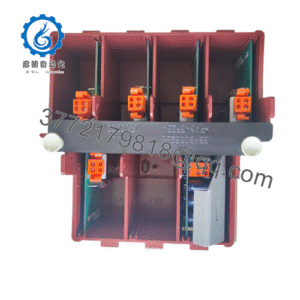
The GE DS3800HLSC1C1B is a data link control board used in the Mark IV Speedtronic turbine control system. It handles internal communication between control modules, supporting coordinated operation of turbine sequencing, protection, and monitoring functions.
In field applications, this board sits in a fault-tolerant TMR architecture where communication integrity is critical. When it fails, you typically see loss of synchronization or partial system blindness rather than a full shutdown—making diagnosis more subtle than with CPU failures.
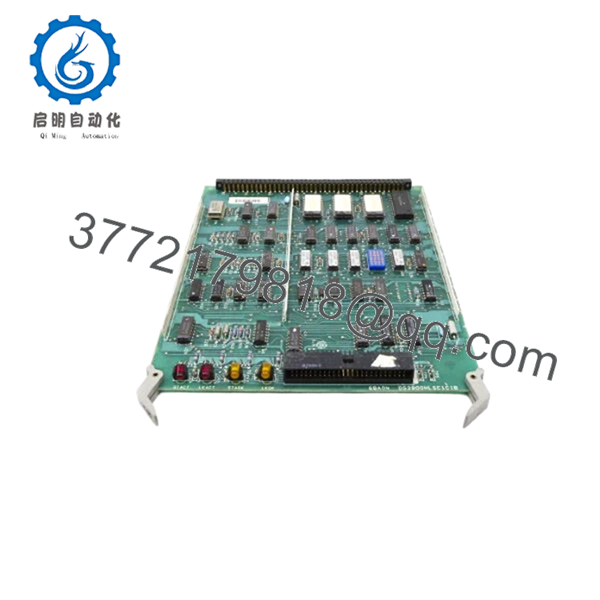
- DS3800HLSC1C1B
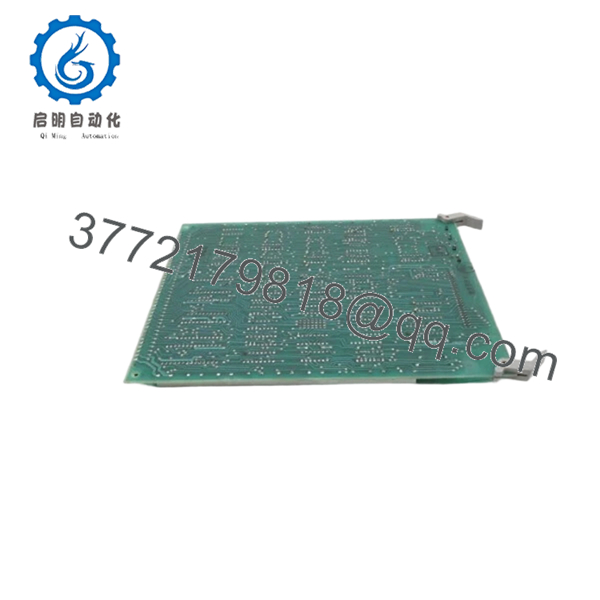
- DS3800HLSC1C1B
5. Installation & Configuration Guide
Stage 1: Pre-Installation Preparation (15 min)
- ⚠️ Safety First:
- Notify control room and operations
- Shut down turbine control system (if required by procedure)
- Isolate control cabinet power
- Lock out/tag out
- Wait 5–10 minutes for discharge
- Tools Required:
- ESD wrist strap
- PH1 screwdriver
- Multimeter (Fluke 115 recommended)
- Slot labeling tags
- Smartphone
- Data Backup:
- Photograph full rack and slot layout
- Record board position (critical in TMR systems)
- Note any active alarms before shutdown
Stage 2: Removing the Old Module (5–10 min)
- Open Mark IV cabinet
- Identify correct DS3800 slot
- Use extractor levers to release board
- Pull straight out — avoid flexing PCB
- Inspect backplane connector
- ⚠️ Note:
These boards use long edge connectors. Misalignment during removal is how pins get damaged.
Stage 3: Installing the New Module (10 min)
- Wear ESD protection
- Verify exact part number (suffix C1C1B matters)
- Align with card guides
- Insert firmly until fully seated
- Lock using extractor levers
- Self-Checklist:
- Correct slot (especially in TMR triplet)
- Fully seated
- Connector aligned
Stage 4: Power-On & Testing (20–30 min)
- Pre-Power Check:
- Verify no short on control power rails
- Power-On Steps:
- Energize control system
- Observe LED indicators
- Check communication status across controllers
- Verify turbine control HMI feedback
- ⚠️ Troubleshooting Note:
- Loss of comms → check cable connector on board edge
- Intermittent faults → suspect backplane wear
- TMR mismatch alarms → board revision inconsistency
6. Frequently Asked Questions (FAQ)
Q1: Can I hot-swap the DS3800HLSC1C1B?
No. Mark IV systems are not designed for hot-swapping. Removing a board under power risks corrupting the communication bus or damaging the backplane.
Q2: Is this board obsolete?
Yes. GE no longer manufactures Mark IV boards. All available units are surplus or refurbished.
Q3: What happens if this board fails?
You typically lose internal communication between modules. I’ve seen systems run in degraded mode for hours before operators realize data is stale.
Q4: Is there a direct replacement or upgrade path?
No drop-in replacement. Migration usually means moving to GE Mark VI/VIe or a third-party DCS retrofit. That’s a major project involving logic migration and I/O rework.
Q5: Why are prices high for an old PCB?
Because it’s tied to turbine uptime. A single outage can cost tens of thousands per hour. Availability drives price—not manufacturing cost.
Q6: Are all DS3800HLSC1C1B revisions interchangeable?
Not always. Suffix codes (C1C1B) matter. Mixing revisions can trigger synchronization or communication faults in TMR systems.
Q7: What’s the most common failure mode?
Aging capacitors and connector wear. I’ve also seen failures caused by vibration loosening the front-edge cable connector.