WhatsApp: +86 16626708626
 Email:
  Phone: +86 16626708626
Description
Key Technical Specifications
| Parameter | Value |
| Compatibility | GE Speed Tracing System / Mark IV Speed Control |
| Input Signal | Passive/Active Magnetic Pickups (MPU) |
| Interface | Edge Connector (Backplane mounting) |
| Logic Voltage | Standard GE Control Rack Levels (+5V, ±15V DC) |
| Channel Count | Multi-channel redundancy support |
| Board Revision | 1E1D (Specific revision for matching logic levels) |
| Diagnostic Tools | On-board test points for frequency measurement |
| Indicators | Diagnostic LEDs for signal detection and bus activity |
Product Introduction & Supply Chain Strategy
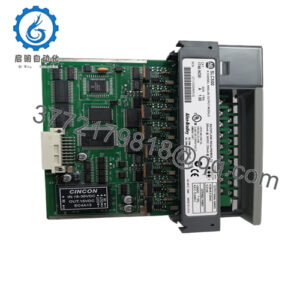
The GE DS3800HMHA1E1D is a critical speed tracing master board specifically engineered for the GE Mark IV gas turbine control system. This board is the primary interface between the physical magnetic pickups (MPUs) on the turbine shaft and the digital control logic. It converts raw high-frequency pulses into actionable data for speed regulation, overspeed protection, and crank termination. Given its role in fuel regulation and safety tripping, this board is a high-criticality component for plant reliability.
From a procurement perspective, the DS3800HMHA1E1D is a prime candidate for “strategic hoarding” or buffer stocking. As the Mark IV system is deeply into its legacy lifecycle, OEM factory support is largely discontinued. Sourcing New Surplus units is the only way to ensure the Total Cost of Ownership (TCO) remains manageable; a single board failure without a spare can lead to weeks of unplanned downtime and hundreds of thousands in lost generation revenue. Our New Surplus units have been kept in climate-controlled, ESD-safe environments, ensuring that the electrolytic capacitors and high-speed logic chips remain in pristine condition, unlike refurbished units that may have hidden thermal fatigue.
Installation & Configuration Guide
Stage 1: Pre-Installation (Prep & Safety)
- Lock-out/Tag-out: Ensure the turbine control system is powered down or the specific rack segment is isolated.
- Configuration Verification: The “HMHA” series often uses jumpers or dip switches to define signal thresholds. Verify these match your existing board exactly.
- ESD Warning: Always use a grounded wrist strap. Mark IV boards utilize sensitive CMOS components that are easily damaged by static.
Stage 2: Removal
- Locate the board in the control cabinet rack.
- Pull the card levers (if equipped) or use a standard card puller to extract the board evenly from the backplane. Do not rock the board vertically, as this can damage edge connector pins.
Stage 3: Installation (Clone & Seat)
- Align the DS3800HMHA1E1D with the plastic guide rails of the designated slot.
- Push the board firmly into the backplane until the edge connector is fully seated.
- Re-engage any locking tabs or screws.
Stage 4: Power-On & Testing
- Re-energize the rack and monitor the diagnostic LEDs.
- Use the Mark IV operator interface to verify that speed signals are being received correctly (0 RPM at standstill).
- Perform a “Speed Test” logic check if the system allows for frequency simulation to ensure trip relays respond correctly.
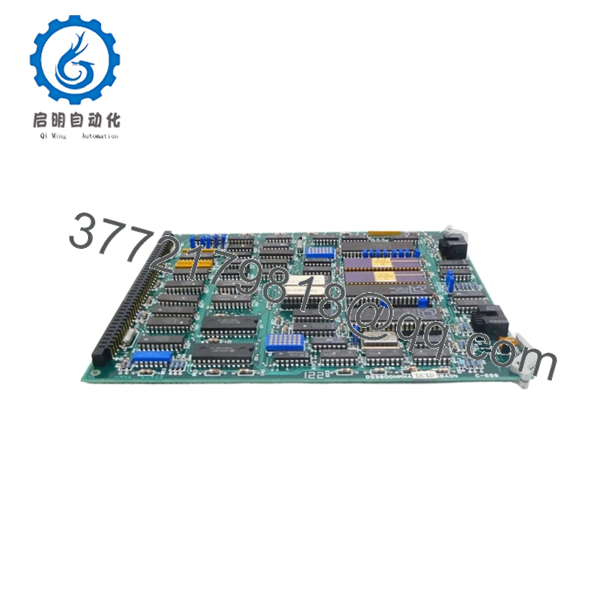
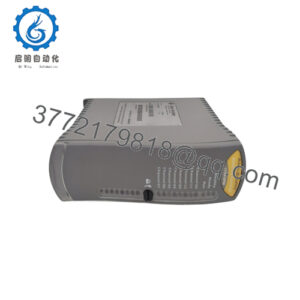
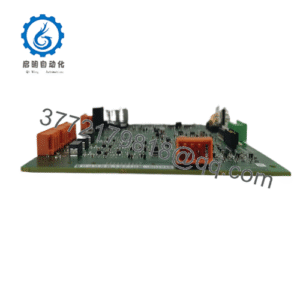
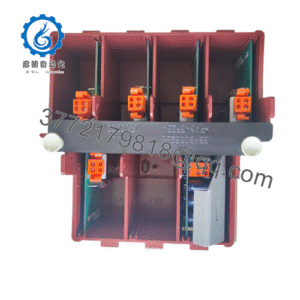
- DS3800HMHA1E1D
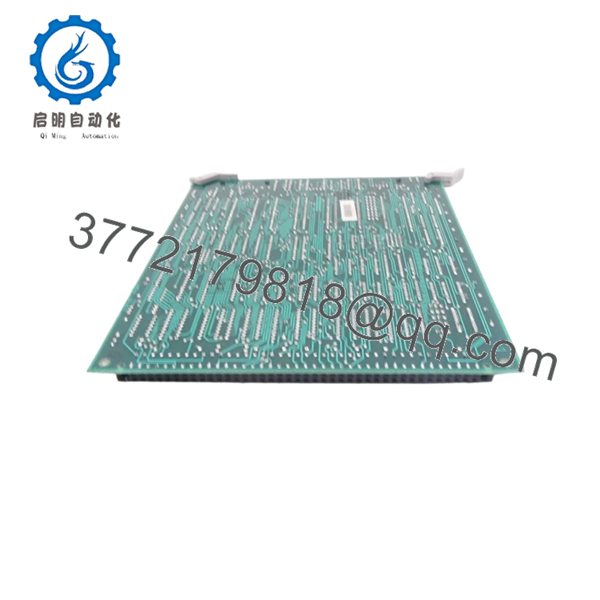
- DS3800HMHA1E1D
Firmware/Software Versions & Upgrade Notes
- Revision Match: The suffix “1E1D” is critical. GE often updated these boards to address timing issues or component changes. Ensure this revision is compatible with your specific rack firmware.
- Calibration: While the board itself does not host high-level software, it defines the signal scaling. If your pulse-per-revolution (PPR) settings are changed in the turbine control software, verify that the board’s input filters can handle the new frequency range.
- Risk Note: Swapping boards with different revision codes (e.g., swapping a 1A with a 1D) can lead to intermittent “Speed Signal Loss” alarms due to variations in resistor values on the input stage.
Frequently Asked Questions (FAQ)
Is this board used or refurbished?
Absolutely not. This is a New Surplus unit. It has never been energized in a field cabinet. We specialize in providing the highest level of reliability for legacy GE systems by avoiding refurbished “pulls” that may have hidden defects.
What is the significance of the “HMHA” designation?
The HMHA code refers to the specific functional group within the DS3800 series. In the Mark IV ecosystem, this designates the board as part of the speed tracing system.
Can I replace this board while the turbine is running?
Hot-swapping is generally not recommended for Mark IV boards unless your specific system documentation explicitly permits it for a redundant configuration. Pulling a speed board on a running unit can trigger an immediate turbine trip.
Why is it cheaper than the original GE list price but more than a used board?
Our pricing reflects the rarity of finding genuine, unused Mark IV hardware. It is significantly less than a full system refit (which would be required if the part were unavailable) but higher than used boards because you are paying for zero-hour reliability.
How do I troubleshoot a “Loss of Speed” alarm after installation?
First, verify that the board is fully seated in the backplane. Second, check that the jumper settings for the MPU input (passive vs. active) match your field sensors. Finally, verify the edge connector for any signs of oxidation on the backplane itself.