 WhatsApp: +86 16626708626
 Email:
  Phone: +86 16626708626
Description
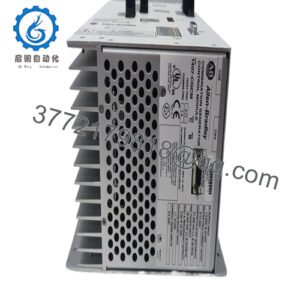
In gas turbine power plants and heavy industrial generators running Mark IV Speedtronic controls, the GE DS3800HRDA1C1C processes high-resolution speed and position signals from magnetic pickups or proximity sensors on turbine shafts and compressors, ensuring governors and protection relays react instantly to overspeed or vibration events. Operators glance at rack diagnostics during startup sequences to confirm signal integrity, while control room techs rely on it to buffer raw pulse trains before they hit the core <T> core, avoiding overruns that could trip the turbine. You’ll spot it in combined-cycle plants, peaking units, and aero-derivative setups where precise rotor monitoring prevents catastrophic failures under load ramps or grid faults. Maintenance teams swap it during planned outages to restore clean tachometry after bearing wear muddies signals. In these high-stakes environments, the GE DS3800HRDA1C1C tackles noise rejection from EMI-heavy generator yards and delivers grouped isolation for dual-channel redundancy, letting engineers focus on fuel control rather than chasing glitches. It’s a staple in legacy Speedtronic upgrades where keeping the Mark IV rack alive buys years without full controller swaps.
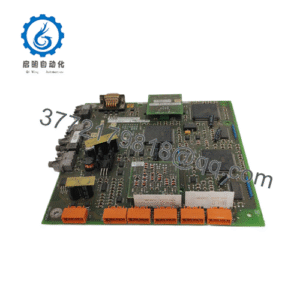
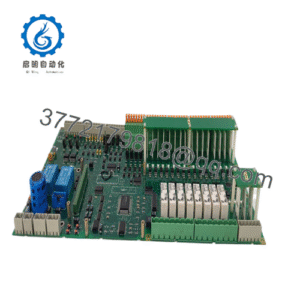
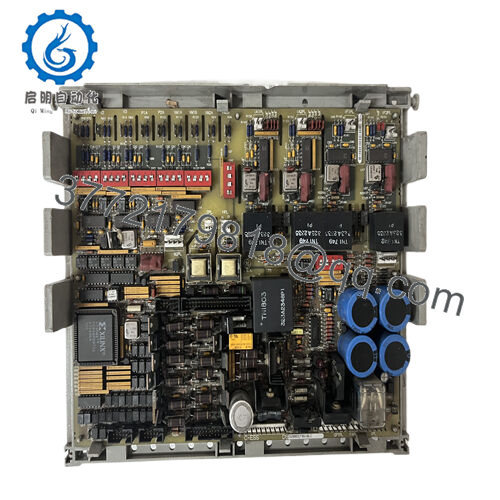
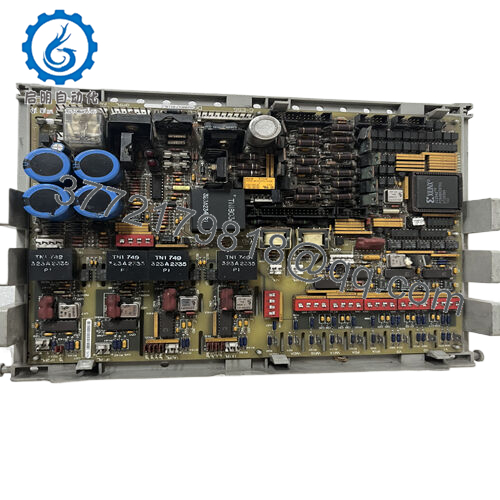
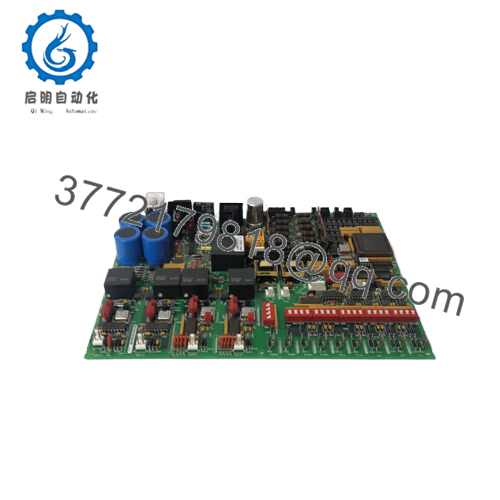
The GE DS3800HRDA1C1C is a signal conditioning and decoder board within GE’s Mark IV Speedtronic turbine management system, optimized for handling high-frequency pulse inputs from speed sensors. It mounts in the core I/O section of the DS3800 rack, interfacing magnetic pickups (MPUs) or proximity probes with the main <T> core via parallel buses for real-time data handoff. In the Speedtronic architecture, it sits between field transducers and the high-speed counter logic, amplifying, filtering, and decoding A/B quadrature or single-pulse signals into formatted counts or rates for overspeed trips, sequencing, and vibration analysis. This board shines in retrofit jobs, dropping into existing VME-style racks without rewiring, and supports configurable gain or thresholds via jumpers for different sensor types. Engineers pick the GE DS3800HRDA1C1C because it balances legacy compatibility with robust front-end processing, minimizing false trips in electrically noisy plants.
Technicians praise the GE DS3800HRDA1C1C for its per-channel test points and LEDs that light up input presence, zero-cross detection, and fault latches, making bench testing or live debugging straightforward without a scope. Each channel typically handles 0-20 kHz inputs at low levels (50 mV-50 V p-p), with selectable filtering (RC or bandpass) to cut 60 Hz hum or spike noise while preserving rise times for accurate RPM calcs. Optical isolation hits 1500 V channel-to-ground, and dual MPUs per board enable vote-taking for critical speed loops, feeding clean TTL/CMOS outputs to the <T> core or DSMV gate interface. Jumpers set polarity, sensitivity, and diagnostics mode, letting one board serve multiple turbine models from Frame 6B to LM2500.
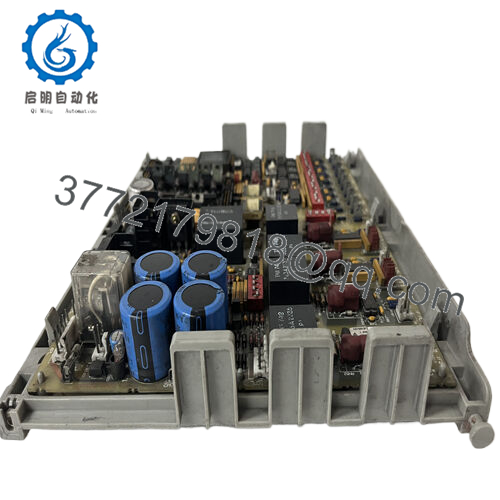
From a build standpoint, the GE DS3800HRDA1C1C uses a double-sided FR4 PCB with conformal coating for humid turbine halls, drawing fused 28 VDC or ±15 V rails from the rack supply (around 200 mA typical). It mounts via standoffs or card guides in standardized DS3800 slots, with D-sub or ribbon cable fronts for sensor tie-ins up to 100 ft runs. Rated 0-50 °C ambient with good airflow, it carries MIL-spec components for vibration (5 G) and shock tolerance, suiting offshore or seismic plants. Longevity comes from potted amps and no electromechanical relays, pushing MTBF past 50k hours when kept dust-free.
Detailed Technical Specifications
| Parameter | Value |
|---|---|
| Model | GE DS3800HRDA1C1C |
| Brand | GE Energy / Speedtronic Mark IV |
| Type | Speed/rate decoder and signal conditioner board |
| Channels | Typically 2-4 MPU/prox inputs |
| Input Frequency Range | 0-20 kHz per channel |
| Input Signal Levels | 50 mV to 50 V peak-to-peak |
| Output Format | TTL/CMOS parallel or serial counts |
| Isolation | 1500 V channel-to-logic |
| Power Requirements | ±15 VDC / +5 VDC / 28 VDC rails, ~200 mA total |
| Operating Temperature | 0 °C to 50 °C |
| Filtering Options | RC low-pass, bandpass, jumper selectable |
| Diagnostics | Per-channel LEDs, test points, fault latches |
| Mounting | DS3800 rack slot, standoffs or card cage |
| Environmental Rating | Conformal coated, vibration/shock qualified |
| Cable Interface | D-sub, ribbon, twisted shielded pairs |

- DS3800HRDA1C1C
Related Modules or Compatible Units
DS3800HRDA1D – Enhanced revision with extra channels for multi-spool turbines.
DS3800DMCA1C – Core <T> interface board that receives decoded speed data.
DS3800HSAB1A – Auxiliary speed buffer, used in redundant MPU voting setups.
DS3800HIOA1A – General I/O companion for integrating prox vibration signals.
DS3800NPIC1A – Power interface card supplying rails to the GE DS3800HRDA1C1C.
Before racking the GE DS3800HRDA1C1C, verify MPU coil impedance (1-2 kΩ) and gap (30-50 mils), then jumper channels for sensor voltage—low for eddy probes, high for mag pickups—to avoid clipping. Route twisted/shielded pairs single-grounded at the board, ferrite-clamped near the rack, and separate from ignition exciter cables by 12 inches min. Power up with no inputs first to baseline amps (<250 mA), tweak gain pots under no-load spin (verify 10kHz square at test point), and latch faults clear via core command before tying to trip strings.
For upkeep, the GE DS3800HRDA1C1C needs yearly visual scans for coating cracks or overheated SMDs, plus MPU resistance checks during hot-section inspections. Log zero-cross trips via ToolboxST to trend signal drift, swap fuses if draw spikes, and bake out moisture pre-install in coastal plants. Simulate pulses with a function gen quarterly to confirm thresholds without turbine run.