 WhatsApp: +86 16626708626
 Email:
  Phone: +86 16626708626
Description
The GE DS3800NMEA1H1E is typically used in gas and steam turbine generator systems where reliable motor excitation is critical to maintaining power output, grid stability, and machine protection. In real plants, this board sits inside legacy GE Speedtronic Mark IV–era excitation and control cabinets, handling part of the interface between the control logic and the generator or large motor field circuits. Operators in power stations, industrial cogeneration facilities, and heavy process plants rely on the GE DS3800NMEA1H1E to provide stable excitation during start-up, synchronization, load changes, and grid disturbances, ensuring the generator remains within voltage and reactive power limits. Used in industrial automation and directly applicable in control systems for high‑power rotating equipment, it helps avoid nuisance trips and supports smoother transitions between operating modes.
During retrofit and life‑extension projects, engineers often retain the existing Mark IV infrastructure but replace or add boards like the GE DS3800NMEA1H1E to improve reliability while preserving plant wiring, cabinet layouts, and proven control logic. In these scenarios, the module contributes to more predictable excitation behavior, which directly influences generator heating, rotor life, and system fault response. Maintenance teams value the board’s role in providing clear feedback paths for field current and related measurements, which can be trended and analyzed to detect degradation before it escalates into a forced outage. Over time, keeping a solid excitation chain anchored by boards such as the GE DS3800NMEA1H1E translates into more stable operation, easier troubleshooting, and better alignment with planned outage schedules.
Product introduction and positioning
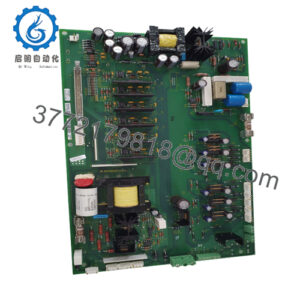
The GE DS3800NMEA1H1E is a motor excitation board in General Electric’s DS3800 product family, designed for use in Speedtronic Mark IV turbine and generator control systems. Functionally, it forms part of the excitation subsystem, where it supports the control and monitoring of field current that governs generator voltage and reactive power. The board operates as an intermediary between higher-level regulator or control logic and the power electronics that actually drive the generator field, handling signal conditioning, amplification interfaces, and feedback measurement. Within a typical cabinet, it plugs into a DS3800 backplane alongside other excitation, logic, and I/O boards that together implement the complete control and protection strategy.
At the architecture level, the GE DS3800NMEA1H1E sits in the excitation layer of the control system, one step below supervisory controllers and one step above the high‑energy field circuits. It receives setpoints and commands from regulators, interacts with other excitation-related modules, and ensures the correct feedback flows back into control algorithms. For engineers and integrators, its value lies in delivering a dedicated, field‑proven hardware function that is tightly aligned with GE’s Mark IV excitation philosophy, reducing the need for custom interfaces or external adaptation hardware. Because it belongs to the DS3800 line, it is mechanically and electrically compatible with a large installed base, making it attractive for operators seeking continuity of design and spares.
Key technical features and functional benefits
The GE DS3800NMEA1H1E offers strong functional performance in demanding excitation applications where fast, stable response to load changes is essential. Its circuitry is tailored to support accurate field current control and feedback, which helps keep generator terminal voltage within target limits while avoiding excessive overshoot. This stability is especially important during events such as synchronization, sudden load drops, or grid disturbances, where poor excitation response can trigger unwanted trips or expose the generator to thermal and mechanical stress.
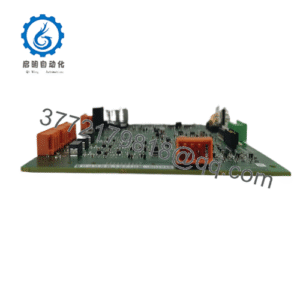
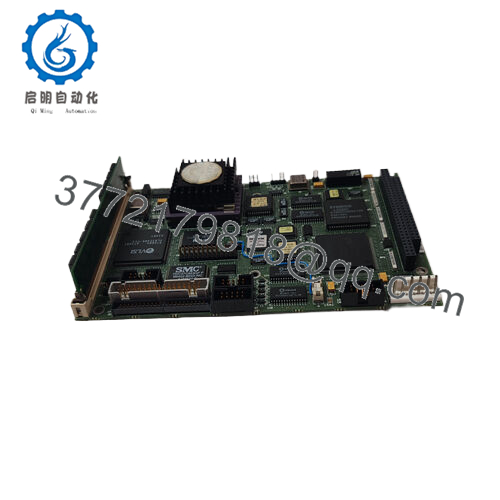
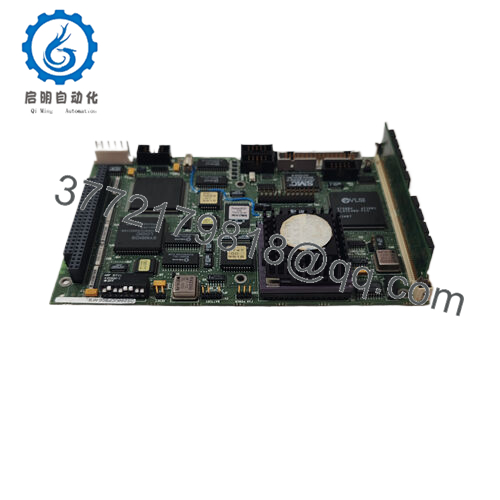
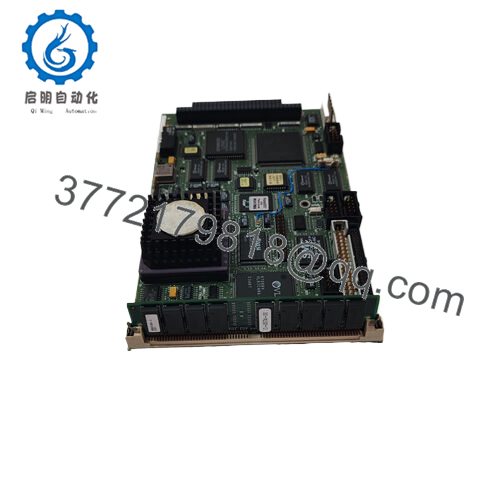
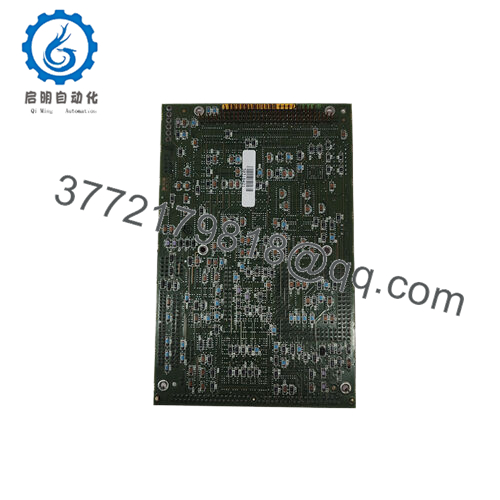
From a hardware standpoint, the GE DS3800NMEA1H1E follows the established DS3800 form factor, with a plug‑in card design and edge connectors that mate with the Mark IV backplane. This supports rapid card replacement during planned shutdowns and simplifies cabinet wiring because signal paths are routed through the rack rather than via loose harnesses. Component layout and spacing are oriented toward turbine and generator environments, where vibration, temperature variations, and electrical noise are part of daily operation. The board’s construction aims to protect critical measurement paths while keeping high‑energy interfaces safely segregated.
Compatibility is a significant benefit. The GE DS3800NMEA1H1E is designed to operate with other DS3800 and related GE modules used in Mark IV‑based excitation and control systems, including regulator boards, power supply modules, and interface cards. This family-level consistency streamlines documentation, commissioning, and long‑term maintenance, since technicians can work within a known GE ecosystem rather than a patchwork of mixed hardware. For facilities moving toward phased upgrades, retaining this board within the excitation chain allows them to modernize controllers or HMIs while keeping proven excitation hardware in place, reducing risk and engineering effort
Regarding long-term reliability, the GE DS3800NMEA1H1E follows the conservative design philosophy typical of legacy GE turbine hardware, favoring robustness and serviceability. When installed in a properly conditioned control cabinet and maintained according to plant standards, it can deliver many years of continuous service. Its replaceable nature—as a discrete module with defined functions—also supports a straightforward maintenance strategy: suspect boards can be swapped with tested spares, and removed units can be bench-tested or refurbished for future use.

- DS3800NMEA1H1E
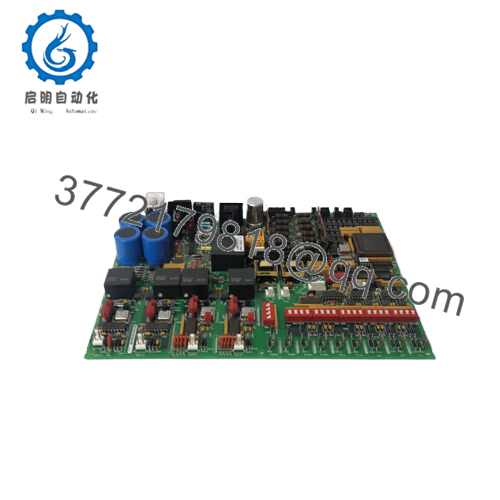
Detailed technical specifications
| Parameter | Value |
|---|---|
| Model | GE DS3800NMEA1H1E |
| Brand | General Electric |
| Product type | Motor excitation board for turbine and generator control systems |
| System family | DS3800 series for GE Speedtronic Mark IV controls |
| Primary function | Excitation interface and feedback handling for generator or motor field circuits |
| Typical application | Gas and steam turbine generator excitation cabinets in industrial automation plants |
| Integration level | Plug‑in module connected through DS3800 backplane to regulators and excitation hardware |
| Power supply | Low‑voltage control power provided via DS3800 rack power rails |
| Feedback signals handled | Field-current and related excitation feedback channels (design-dependent) |
| Mounting | Edge‑connected circuit card for Mark IV/DS3800 rack slots |
| Cooling | Convection cooling within turbine control or excitation cabinets |
| Maintenance approach | Field‑replaceable module, supported by spare card strategy and bench testing |
Related modules or compatible units
DS3800NMEA – Base family designation for the motor excitation board series that includes GE DS3800NMEA1H1E.
DS3800NEPB – Motor excitation or related excitation interface board used in similar GE turbine and generator systems.
DS3800DMEB1B1C – Gas turbine control board from the DS3800 family that can share cabinets and interact with excitation functions.
DS3800HMPK – Processor or main logic module in Mark IV systems that issues commands and receives feedback linked to excitation boards
DS3800HSCG – High-level isolator or interface board used for signal isolation in turbine control systems, often in the same ecosystem.
DS3800HPLA1G1E – Panel interface or HMI-related board that helps route operator commands and status signals to and from the control hardware.
DS200 series excitation or control modules – Later-generation GE boards that may appear in hybrid cabinets where GE DS3800NMEA1H1E remains part of the excitation chain.
Installation notes and maintenance best practices
Before installing the GE DS3800NMEA1H1E, engineers should verify that the designated rack slot, backplane connector, and channel assignments match the site’s Mark IV configuration and wiring diagrams. Because the board interacts with excitation circuits, plant personnel should confirm that grounding, shield terminations, and cabinet bonding comply with both GE and site standards to minimize noise and prevent stray circulating currents that might disturb field measurements. It is also important to document any configuration details, jumpers, or calibration settings from the outgoing board so that the replacement GE DS3800NMEA1H1E can be aligned with existing protection and control setpoints during commissioning. Clearance around the card should be checked to ensure that cable bundles and ties do not exert mechanical stress as the board is inserted and latched.
For maintenance, the GE DS3800NMEA1H1E should be inspected during planned outages for signs of heat stress, contamination, or connector wear, especially in cabinets subject to vibration and airborne contaminants. Periodic review of excitation trends—such as field current stability, response to load changes, and alarm behavior—can highlight early degradation in the excitation chain that may involve this board or its neighbors. Plants that rely heavily on legacy GE systems typically maintain at least one fully tested spare GE DS3800NMEA1H1E and keep records of test dates and calibration outcomes to support rapid swap‑outs. Combining visual inspection, trend-based diagnostics, and a disciplined spare strategy helps maintain excitation reliability and avoid unplanned outages in critical generator applications.