 WhatsApp: +86 16626708626
 Email:
  Phone: +86 16626708626
Description
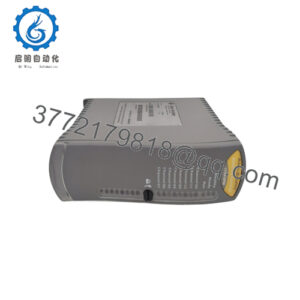
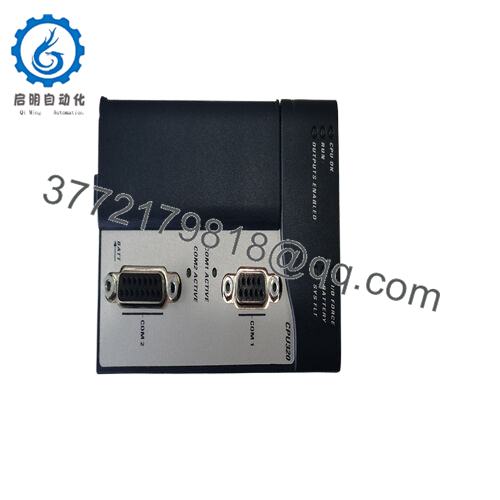
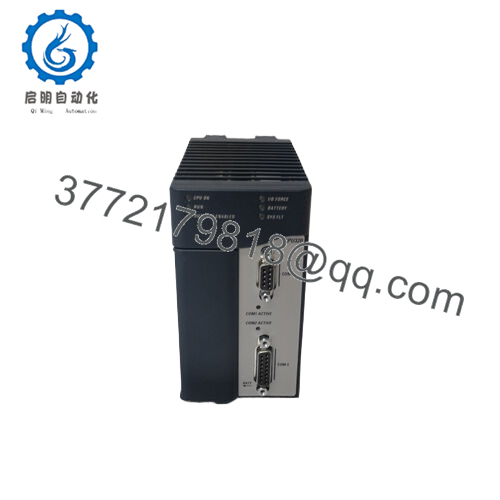
The GE IC687BEM731F-AB (a revision variant of the IC687BEM731, with -F-AB typically indicating a later production batch, component update, or manufacturing enhancement in GE Fanuc/Emerson Series 90-70 and RX7i documentation) solves the persistent issue of expanding distributed I/O reach in high-end PLC systems without sacrificing performance or adding excessive wiring. In large-scale industrial automation installations — such as power plants, refineries, or heavy manufacturing — centralizing all I/O in the main rack becomes impractical due to distance, cable costs, or environmental factors. GE IC687BEM731F-AB functions as the Genius Bus Controller, enabling a single Series 90-70 or RX7i CPU to supervise up to 32 remote Genius I/O devices over a robust, noise-immune serial bus, supporting diagnostics, online changes, and fault-tolerant topologies. It’s particularly essential in environments requiring high reliability and critical system uptime, where the Genius protocol’s built-in error checking, global fault reporting, and automatic device mapping minimize disruptions from cable faults or device failures in process control setups.
GE IC687BEM731F-AB installs in a single dedicated slot on a Series 90-70 or RX7i rack, serving as the master interface for the Genius communications bus — a twisted-pair or fiber (with repeaters) network running at selectable baud rates from 38.4 kbps to 153.6 kbps, with cable distances up to 7500 feet (extendable via repeaters). It manages bidirectional data exchange with Genius I/O blocks, handling discrete/analog inputs/outputs, bus diagnostics, and explicit messaging for configuration or parameter access. The module offloads scanning and protocol overhead from the main CPU, mapping I/O data to PLC memory areas while providing a hand-held monitor (HHM) port for local troubleshooting. LEDs indicate bus activity, faults, configuration status, and power, with fault tables feeding system-wide alarms. Positioned in the communications subsystem of the Series 90-70/RX7i architecture, GE IC687BEM731F-AB supports multidrop topologies for flexible remote placement of I/O near field devices, enabling online addition/replacement of drops and maintaining determinism even in large networks.
| Specification | Details |
|---|---|
| Model Number | IC687BEM731F-AB |
| Brand | GE Fanuc (now Emerson) |
| Type | Series 90-70 / RX7i Genius Bus Controller |
| Input Voltage | Supplied by rack power supply (typically +5 VDC, ±12 VDC rails) |
| Operating Temp Range | 0°C to 60°C |
| Mounting Style | Plug-in card in Series 90-70/RX7i rack (dedicated slot) |
| Dimensions | Standard Series 90-70/RX7i single-slot form factor (approx. 208 mm x 280 mm board) |
| Weight | Approx. 1.0–1.5 kg |
| Interface/Bus | Genius serial bus (twisted pair or fiber with repeaters); HHM port |
| Compliance | CE, UL, CSA, typical industrial certifications |
| Supported Protocols | Genius I/O protocol (half-duplex serial) |
| Typical Power Draw | Approx. 1.3 A at +5 VDC (nominal) |
| Bus Devices Supported | Up to 32 Genius I/O blocks/devices per channel |
| Baud Rates | 38.4 kbps to 153.6 kbps (selectable) |

- IC687BEM731F-AB
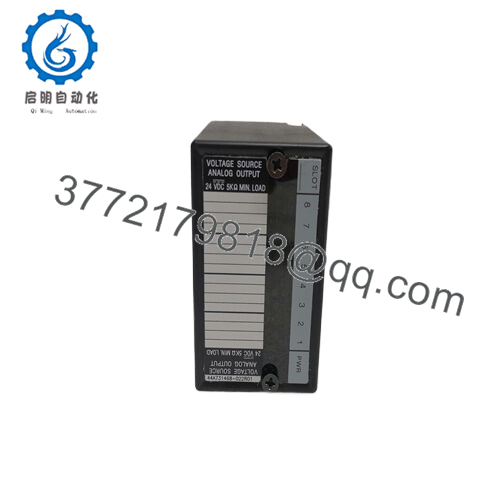
Choosing GE IC687BEM731F-AB delivers proven distributed I/O that enhances scalability and resilience in legacy Series 90-70/RX7i systems. The Genius bus architecture reduces long field cable runs by locating I/O locally, improving signal integrity and cutting installation costs while the protocol’s diagnostics (device faults, bus errors, configuration mismatches) enable proactive maintenance. Online modifications and automatic device replacement minimize planned downtime, and the single-slot design preserves rack space for other critical modules. For existing users, GE IC687BEM731F-AB maintains compatibility with a wide range of Genius blocks, lowering total ownership costs and extending system life before full migrations to modern Ethernet-based platforms.
GE IC687BEM731F-AB is commonly deployed in power generation for remote monitoring of turbine auxiliaries, boiler I/O, or switchgear across plant areas, where the bus’s noise immunity and diagnostics support reliable operation in EMI-heavy zones. Manufacturing and material handling facilities use it to distribute I/O to conveyor sections, presses, or assembly stations, ensuring fast updates for sequencing and interlocks. In process control environments like oil & gas or chemicals, it’s applied for valve, pump, or instrumentation clusters in extended hazardous areas, prioritizing critical system uptime with fault-tolerant communications under harsh conditions.
Related or alternative products in the GE Fanuc Series 90-70/RX7i and Genius family include:
IC687BEM731 – Base Genius Bus Controller (without -F-AB suffix; core equivalent).
IC697BEM731 – Earlier Series 90-70 variant (often interchangeable in legacy setups).
IC660BBA020 – Genius analog I/O block commonly connected via this controller.
IC660BBD020 – Genius discrete I/O block for digital expansion on the bus.
IC687CPU731 – RX7i CPU often paired as the master for this module.
IC697BEM731 – Series 90-70 Genius Bus Controller as a direct predecessor/alternative.
IC695PNC001 – RX3i PROFINET Controller for modern Ethernet I/O migration paths.
IC687CHS750 – RX7i 18-slot rack for hosting GE IC687BEM731F-AB and CPU.
Before installing GE IC687BEM731F-AB, confirm rack compatibility (Series 90-70 or RX7i) and dedicated comm slot availability with sufficient power supply capacity. Power down the rack before insertion to prevent backplane shorts, and inspect edge connectors for wear. Configure baud rate, bus ID, and device mapping via programming software (e.g., Proficy Machine Edition or Logicmaster), ensuring EDS-like consistency with Genius blocks. Daisy-chain the bus cable with proper termination resistors (75 or 150 Ohm at ends) and shield grounding at one point. Commission by powering up, checking LEDs for bus health/activity, and validating I/O data in the CPU diagnostics.
Ongoing maintenance focuses on bus and status monitoring: observe LEDs regularly for OK, BUS ACTIVE, FAULT, or CONFIG issues. Inspect bus cabling/connectors annually for damage, loose shields, or corrosion. Use programming tools to review Genius fault tables and device diagnostics, trending errors or timeouts. Perform baud rate/device response tests during outages. The plug-in form supports replacement during shutdowns — swap with a spare, reconfigure if required, and verify network post-install. Stock spares from legacy channels.