 WhatsApp: +86 16626708626
 Email:
  Phone: +86 16626708626
Description
Key Technical Specifications
- Function: Dual-channel 14-bit digital-to-synchro/resolver converter
- Resolution: 14 bits
- Accuracy: ±4 arc minutes overall
- Output Options: 1.5 VA or 4.5 VA; 11.8 V or 90 V line-to-line
- Output Type: 3-wire synchro or 4-wire resolver
- Channels: 2
- Throughput: DC to 1 kHz
- Form Factor: 6U VMEbus single-slot
- Voltage Ranges: Supports 26 Vrms or 115 Vrms reference (typical configurations)
- Operating Temperature: 0 to 60 °C (standard VME range; verify specific variant)
- Storage Temperature: -20 to +85 °C
- Relative Humidity: 20 to 80% non-condensing
Product Introduction
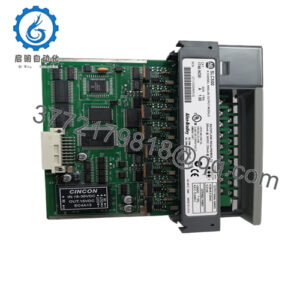
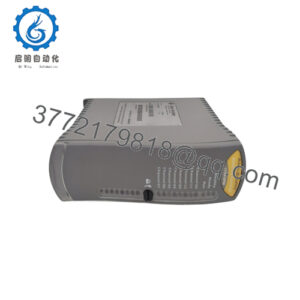
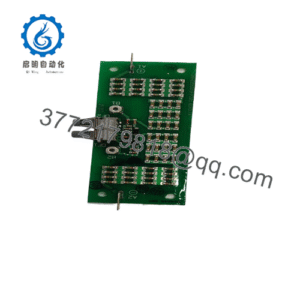
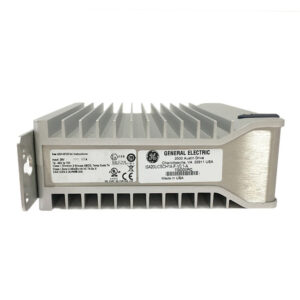
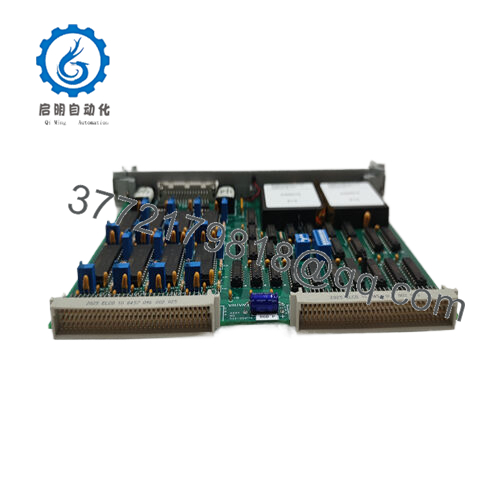
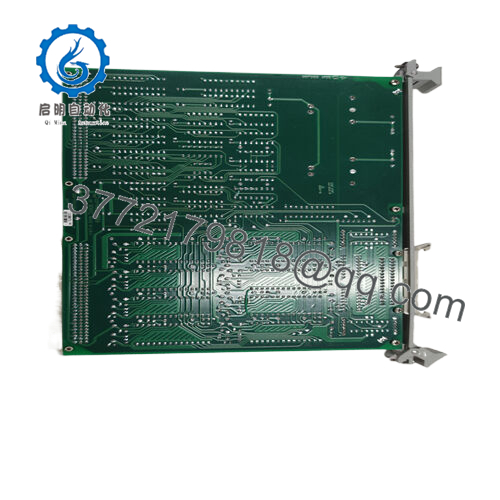
The GE VMIVME-4900 is a dual-channel digital-to-synchro/resolver converter board designed for VMEbus systems. It drives synchro or resolver loads in industrial and military control applications, such as antenna positioning, radar systems, and simulator platforms where precise angular data conversion is required.
In field deployments of older VME racks, this module provides reliable output for high-power synchro booster amplifiers. It offers internal transformers and direct compatibility with standard synchro/resolver interfaces. Engineers choose it for its straightforward VME addressing and proven performance in legacy systems where modern PCIe alternatives require extensive redesign.
Installation & Configuration Guide
Stage 1: Pre-Installation Preparation (10-15 minutes) ⚠️ Safety First: Notify operations, verify safe state, lock out/tag out power to the VME rack, and wait 5 minutes for capacitor discharge. Tools Required: ESD wrist strap, Phillips screwdriver, multimeter, wire labels, smartphone for photos. Data Backup: Photograph the old module’s front panel, note VME slot address, and document any jumper settings. Export any related control logic if the CPU accesses this board.
Stage 2: Removing the Old Module (5 minutes)
- Power down the entire VME rack.
- Remove the front panel screws or ejector handles.
- Label and disconnect any P2 I/O wiring carefully—do not force connectors.
- Release the module locking tabs and pull straight out to avoid damaging backplane pins.
- Inspect the backplane for dust or bent pins. ⚠️ Note: Keep the old module until the new one runs without issues.
Stage 3: Installing the New Module (10 minutes)
- Wear ESD strap and work on a grounded surface. Verify the new VMIVME-4900 matches the required variant (e.g., output VA rating).
- Set any configuration registers or jumpers to match the old module (reference photos). Most units use VME base address settings via software or board registers.
- Align and insert the module into the same slot. Listen for proper seating and secure the front panel.
- Reconnect wiring using the original labels and torque specifications. Self-Checklist: [ ] Model matches, [ ] Configuration set correctly, [ ] Module fully seated and secured.
Stage 4: Power-On & Testing (10-20 minutes) Pre-Power Check: Use a multimeter to verify no shorts on the power rails (5V, ±12V typical for VME). Power-On Steps:
- Power up the VME rack without field loads connected.
- Check board LEDs or status bits for normal operation (no fault indicators).
- Access the board via the VMEbus host CPU. Write test values to the data registers and verify output on a synchro/resolver simulator or multimeter.
- Reconnect field devices and perform a dry-run test of the control loop. ⚠️ Troubleshooting Note: If no output appears, confirm the VME address mapping and reference voltage. Communication or data buffer issues often trace back to incorrect base address or control register settings. Firmware is not applicable here—this is a hardware converter board.

- VMIVME-4900
Frequently Asked Questions (FAQ)
Can this module be hot-swapped under power? No. VMEbus modules like the VMIVME-4900 are not designed for hot-swap. Removing or inserting under power risks damaging the backplane or the board itself. Always shut down the rack first.
Is the VMIVME-4900 obsolete, and is stock genuinely new? Yes, this is a legacy VMIC/GE Fanuc VME product. Available units are typically new surplus or new original from remaining OEM inventory. We verify serial numbers and perform basic functional checks before shipment. Exact condition details and test reports are available upon request.
What is the direct replacement if this exact model is out of stock? Abaco Systems (successor to VMIC) may list updated equivalents, or third-party VME providers offer functional matches. In many cases, modern solutions use PMC or PCIe carriers with synchro/resolver cards. Confirm pinout and register compatibility before swapping—VME addressing must match your existing software.
Will I lose any configuration when replacing this board? No programming logic resides on the VMIVME-4900 itself. It is a passive converter driven by writes from the host CPU. Your application software continues to control it as before, provided the VME base address and control register usage remain the same.
Why is the price often lower than original GE list price? These are new surplus units from factory overstock or decommissioned projects. We do not charge full OEM new-build pricing for discontinued models. All units undergo inbound inspection and basic functional verification. Pricing reflects current market availability for legacy VME parts.
Do I need special software to configure the VMIVME-4900? Configuration happens through VMEbus writes to its control and data registers—no dedicated setup utility is required. Refer to the original VMIC manual for register map details. Test with simple read/write cycles from your host processor first.
What output ratings are available on different VMIVME-4900 variants? Common options include 1.5 VA or 4.5 VA drive capability with 11.8 V or 90 V outputs. Confirm the exact suffix or variant against your booster amplifier requirements before ordering to avoid mismatch in drive power.