 WhatsApp: +86 16626708626
 Email:
  Phone: +86 16626708626
Description
High-Performance Networking in Real-Time Deterministic Systems
In the world of distributed industrial control, the ability to synchronize data across multiple processing nodes with zero-jitter and microsecond latency is the difference between a stable process and a catastrophic system failure. Modern power plants, flight simulators, and high-speed automated assembly lines require a level of communication that standard Ethernet simply cannot provide. This is where the GE VMIVME-9304 becomes an indispensable asset. It is designed to solve the “data bottleneck” in VME-based architectures, allowing complex, multi-chassis systems to act as a single, cohesive unit.
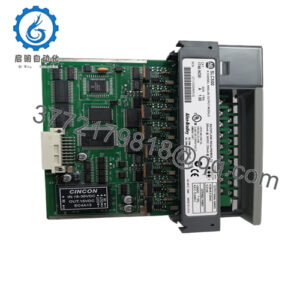
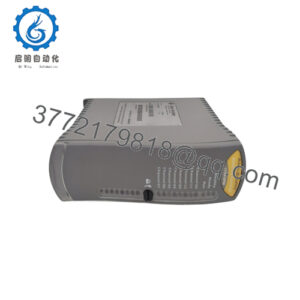
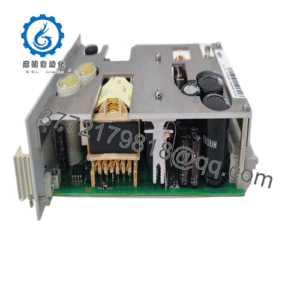
The GE VMIVME-9304 is a high-speed Reflective Memory interface that allows data written to the local memory of one node to be automatically and nearly instantaneously updated in the memory of all other nodes on the network. This hardware-based data sharing bypasses the traditional overhead of protocol stacks, CPU interrupts, and software handshaking. In a massive hydroelectric dam or a high-fidelity radar simulation environment, the GE VMIVME-9304 ensures that every controller has an identical view of the system state at all times. By eliminating the unpredictable delays of packet-based networking, the GE VMIVME-9304 provides the deterministic backbone required for high-frequency closed-loop control and synchronized data acquisition across vast physical distances or complex multi-processor racks.
System Integration and Reflective Memory Architecture
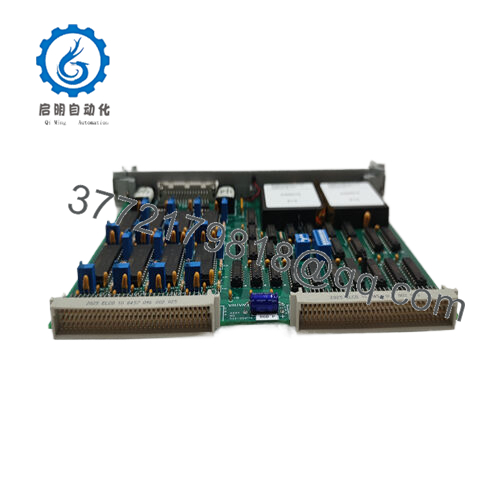
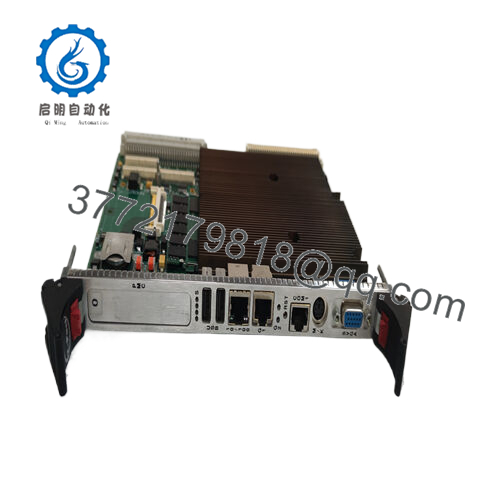
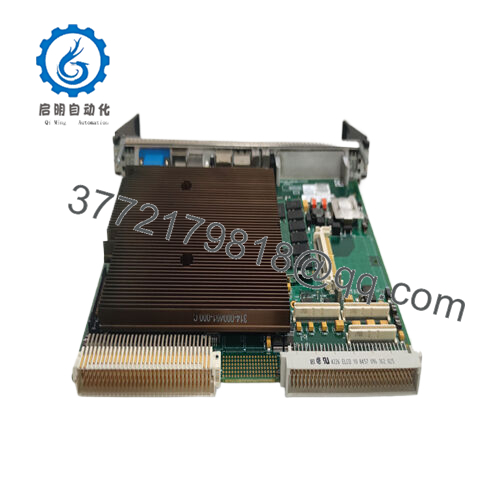
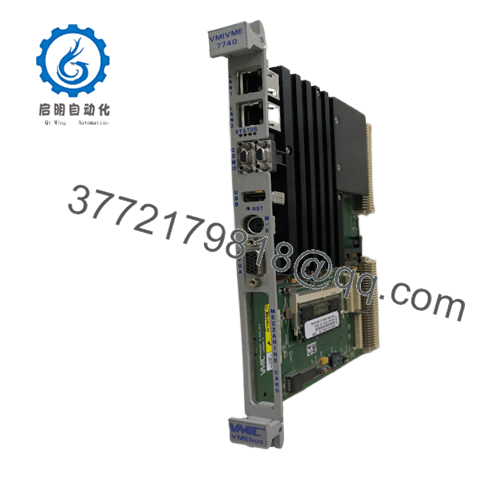
The GE VMIVME-9304 is technically defined as a VME-to-Reflective Memory hub or node controller, functioning as a bridge between the VMEbus backplane and a dedicated high-speed fiber-optic ring. It is a core component of the GE (formerly VMI) Reflective Memory family, designed to provide a “shared memory” abstraction across up to 256 independent nodes. Unlike traditional networks where a processor must “send” a message, the GE VMIVME-9304 treats the network like local RAM. When a CPU writes a value to a specific address on the GE VMIVME-9304, the onboard hardware automatically broadcasts that change across the fiber-optic link.
For system integrators, the beauty of the GE VMIVME-9304 lies in its transparency. Because the synchronization is handled entirely in hardware, the host processor is freed from the burden of managing network traffic, allowing more CPU cycles to be dedicated to the actual control logic or simulation algorithms. The GE VMIVME-9304 fits seamlessly into standard 6U VME slots and is compatible with a wide range of real-time operating systems (RTOS) including VxWorks and LynxOS. Its role in the system architecture is to provide a low-latency, high-bandwidth “data highway” that scales effortlessly as the complexity of the industrial automation project grows.
Reliable Hardware Design and Functional Performance
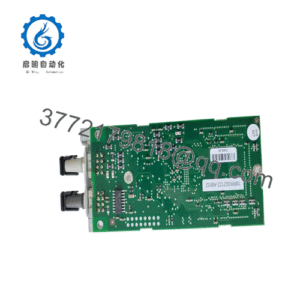
The functional excellence of the GE VMIVME-9304 is rooted in its high-speed serial transmission technology. Utilizing fiber-optic media, the module provides complete electrical isolation between nodes, eliminating the risk of ground loops and protecting the sensitive VME backplane from lightning strikes or industrial surges. The GE VMIVME-9304 supports data transfer rates that keep the latency between the furthest nodes in the tens of microseconds, even on rings spanning several kilometers. This makes it an ideal choice for geographically dispersed systems, such as large-scale wind farms or distributed test benches in aerospace facilities.
From a reliability standpoint, the GE VMIVME-9304 is built to survive the harsh “electrical weather” of a factory floor. The module features redundant fiber-optic ports to support ring topologies that can automatically bypass a failed node, ensuring the rest of the network remains operational. Furthermore, the GE VMIVME-9304 includes sophisticated error-detection and correction (EDC) logic, which monitors the incoming data stream for bit errors caused by extreme EMI. The ruggedized 6U form factor and high-quality PCB components ensure that the GE VMIVME-9304 maintains its timing precision even in high-vibration environments near heavy rotating machinery or hydraulic presses.
Detailed Technical Specifications
| Parameter | Value |
| Model | VMIVME-9304 |
| Brand | GE / VMI (Abaco Systems) |
| Type | Reflective Memory Interface Module |
| Memory Capacity | Up to 128MB Onboard SDRAM |
| Data Transfer Rate | 2.125 Gbaud Serial Link |
| Network Topology | Fiber-Optic Ring (Up to 256 Nodes) |
| VMEbus Interface | A32/A24: D32/D16/D08 (EO) Master/Slave |
| Link Latency | Typically < 1 Microsecond per Node |
| Connection Type | LC or SC Fiber Optic Connectors |
| Operating Temperature | 0 to +65 Degrees Celsius |
| Dimensions | Standard 6U VME Form Factor |
| Environmental Rating | Industrial Grade / Conformal Coating Options |

- VMIVME-9304
Related Modules and System Components
VMIVME-5565 – The modern ultra-high-speed successor to the VMIVME-9304 for newer VME/PCIe systems.
VMIVME-9320 – A specialized hub or switch used to create star-topology networks with this module.
VMIVME-7750 – An Intel-based VME processor often used as the primary compute node for this memory card.
VMIVME-4514 – An analog output board that can be driven by data received via the VMIVME-9304 ring.
3BHE021889R0101 – A specialized interface that can be bridged to VME systems for excitation control.
VMIVME-2536 – A digital I/O card that provides discrete control signals synchronized across the Reflective Memory network.
Installation Notes and Maintenance Best Practices
Installing the GE VMIVME-9304 requires careful handling of the fiber-optic interfaces. Before inserting the module, engineers must ensure that the fiber connectors are scrupulously clean; even a microscopic speck of dust can cause signal attenuation and increase the bit-error rate of the ring. When routing the fiber between VME chassis, it is vital to respect the minimum bend radius of the cable to prevent internal fractures. The GE VMIVME-9304 should be configured with a unique Node ID via the onboard jumpers or software settings before the network is energized to prevent address conflicts on the reflective ring.
Preventive maintenance for the GE VMIVME-9304 involves monitoring the “Link Status” LEDs on the front panel and periodically checking the internal error counters via the VMEbus. A sudden increase in soft-error corrections often indicates a degrading fiber-optic cable or a loose connector. Because the GE VMIVME-9304 generates a significant amount of data throughput, ensuring that the VME rack fans are operating at peak efficiency is essential to prevent localized heating of the memory chips. By performing these simple checks during scheduled maintenance windows, operators can ensure that the deterministic backbone of their control system remains rock-solid for years of continuous service.