WhatsApp: +86 16626708626
 Email:
 Phone: +86 16626708626
Description
Core Product Summary
The GESPAC SBS-6AH is a Motorola 68000-based CPU card used in GESPAC Eurocard-based industrial control and embedded computing systems. It functions as the processor module in a GESPAC rack, providing the computing core for the system’s control, communication, and I/O boards.
The SBS-6AH belongs to GESPAC’s SBS processor-card family and is associated with related memory-configured variants including the SBS-6AH256. It is intended for legacy GESPAC installations where a 68000-architecture processor card is required to maintain the existing control-system platform. Exact electrical ratings, memory configuration, connector assignments, and bus-interface details should be confirmed against the documentation for the specific board revision before installation or replacement.
Key Technical Specifications
| Item | Verified Specification |
|---|---|
| Manufacturer | GESPAC |
| Model | SBS-6AH |
| Product type | CPU / processor card |
| Processor architecture | Motorola 68000 |
| System family | GESPAC Eurocard-based control system |
| Related model variants | SBS-6AH256, SBS-6AH25k |
Engineering Selection Highlights
- The SBS-6AH is a Motorola 68000-based CPU card, so it suits GESPAC systems designed around that processor architecture rather than later 68030- or PowerPC-based controllers.
- It is identified as a GESPAC Eurocard processor board, making rack format and GESPAC bus compatibility central selection criteria.
- The related SBS-6AH256 designation indicates that suffix variations can represent different memory configurations; the complete board marking should be checked before ordering.
- The card is relevant to maintenance of existing GESPAC-based control cabinets, where retaining the original processor architecture can avoid broader system redesign.
- Because this is a legacy processor module, board revision, firmware or operating-system image, and installed peripheral cards should be reviewed as part of replacement planning.
System Compatibility & Integration Requirements
| Item / Dependency | Verified Compatibility or Requirement | Practical Note |
|---|---|---|
| Processor architecture | Motorola 68000 | The control software and system configuration must support the 68000-based processor environment. |
| System platform | GESPAC Eurocard-based system | The board is intended for use within a GESPAC card-rack architecture. |
| Related variants | SBS-6AH256 and SBS-6AH25k | Suffixes may denote differing configurations; match the exact suffix to the installed board. |
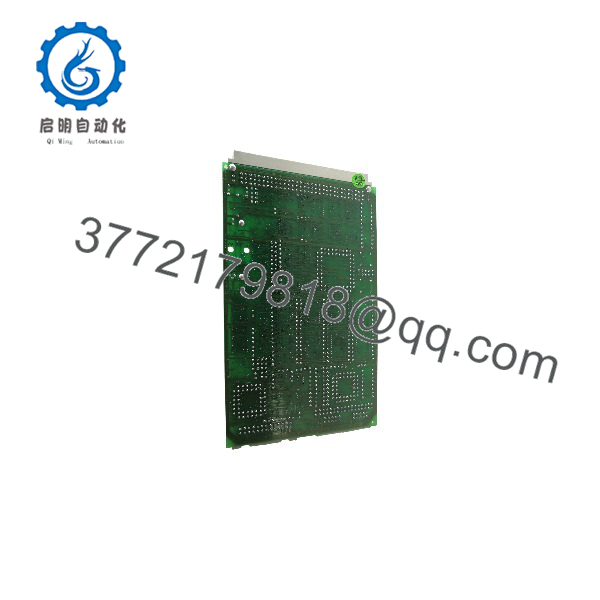
SBS-6AH
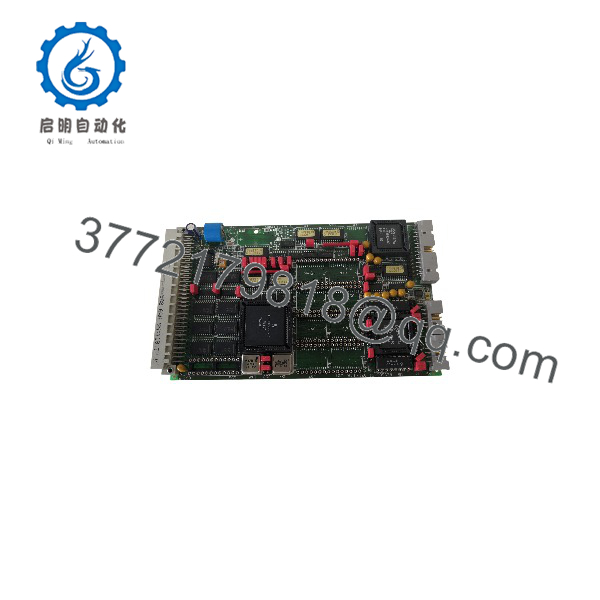
SBS-6AH
Detailed Product Overview
The GESPAC SBS-6AH is a processor card built around the Motorola 68000 microprocessor architecture. Within a GESPAC Eurocard system, it occupies the CPU position and provides the processing resource required to run the installed control application and communicate with the system’s supporting modules.
GESPAC systems commonly combine a processor card with I/O, serial-communication, analog-input, digital-input/output, timer, and power-related boards in a shared card rack. The SBS-6AH therefore needs to be evaluated as part of the complete GESPAC configuration rather than as an isolated computer board. The processor architecture, rack format, bus implementation, memory configuration, and software environment all affect whether a particular SBS-6AH board can be used in an existing cabinet.
The SBS-6AH is also associated with configuration-specific variants, including the SBS-6AH256 and SBS-6AH25k. These suffixes are significant during procurement because they can identify different memory or configuration versions of the same basic processor-card family. A replacement should match the exact suffix and board marking of the installed module wherever possible.
For maintenance planning, the important integration checks are the GESPAC rack and backplane type, the operating-system or firmware image required by the application, the installed peripheral-card set, and any application-specific configuration stored on the processor board. Because the SBS-6AH is a legacy 68000-based module, documentation for the exact board revision is the appropriate basis for confirming electrical, connector, and software details before installation.
Applications & System Role
The GESPAC SBS-6AH serves as the central processing module in a GESPAC Eurocard control system. In that role, it executes the system’s control program and coordinates the GESPAC I/O, communication, and specialty function boards installed in the same rack.
It is a fit scenario for maintaining or servicing legacy GESPAC-based machinery controllers, test systems, and embedded industrial-control platforms that were designed around Motorola 68000 processor technology. Its practical value is in preserving the established GESPAC hardware and software environment rather than introducing a different controller architecture.
FAQ
What is the GESPAC SBS-6AH?
The GESPAC SBS-6AH is a Motorola 68000-based CPU card for GESPAC Eurocard-based industrial control and embedded computing systems.
Which processor architecture does the SBS-6AH use?
It uses the Motorola 68000 processor architecture.
What is the primary function of the SBS-6AH?
It acts as the processor module in a GESPAC control system, executing the control application and supporting coordination with other GESPAC rack-mounted boards.
Which system family does it belong to?
It belongs to GESPAC’s Eurocard-based control-system platform and is part of the SBS processor-card family.
Are there related SBS-6AH variants?
Yes. The SBS-6AH256 and SBS-6AH25k are related model designations, and the exact suffix should be matched when identifying or replacing a board.
What should be checked before installing an SBS-6AH?
Check the GESPAC rack/backplane type, the exact board suffix and revision, the required software or operating-system environment, and the installed peripheral-card configuration.