 WhatsApp: +86 16626708626
 Email:
  Phone: +86 16626708626
Description
3. Key Technical Specifications
| Parameter | Value |
|---|---|
| Supply Voltage | 24 V DC |
| Power Consumption | ≤ 7 W |
| Communication Protocol | DAP-based fieldbus (proprietary) |
| Function | Distributed I/O interface module |
| Mounting | Rack / backplane slot |
| Form Factor | Plug-in PCB module |
| Operating Temperature | 0 to +60°C |
| Storage Temperature | −20 to +70°C |
| Isolation Rating | 500 V |
| Connector Type | Backplane edge connector + field interface |
| Data Handling | Real-time signal exchange |
| Lifecycle Status | Discontinued (EOL) |
4. Product Introduction & Supply Chain Strategy
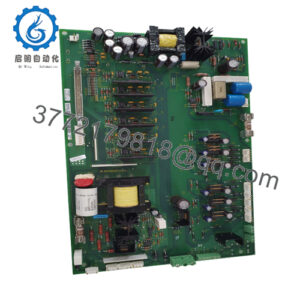
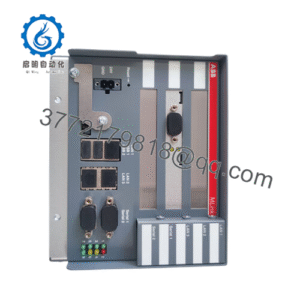
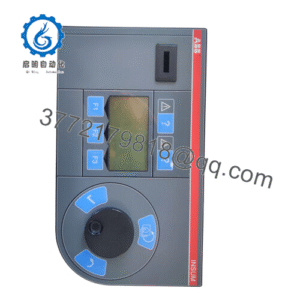
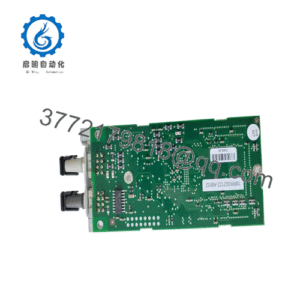
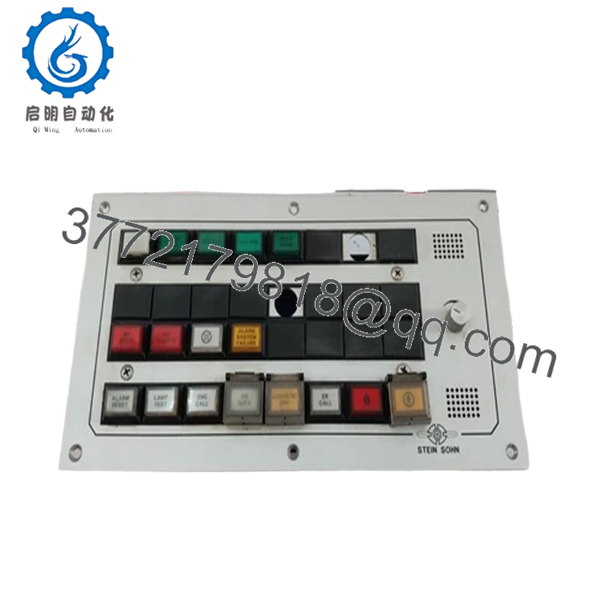
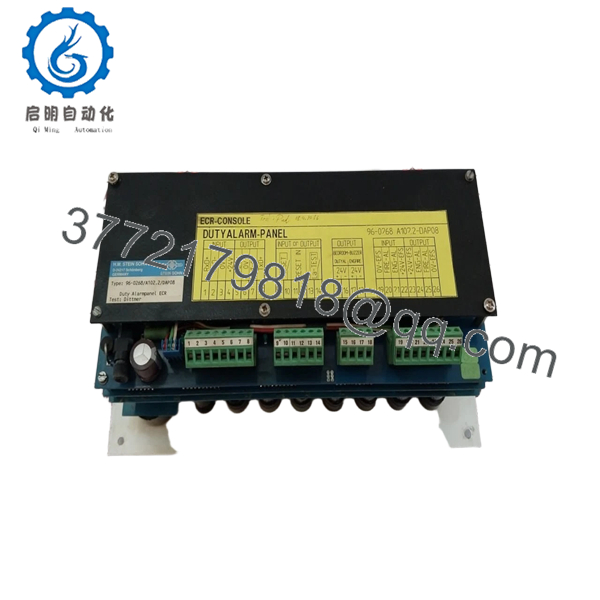
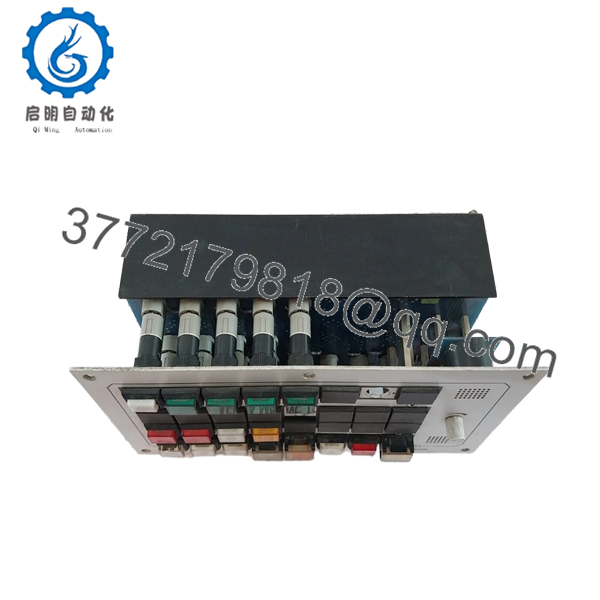
The H.M. STEIN SOHN 96-0268-A102.2-DAP08 is a communication interface module designed for distributed I/O systems, enabling real-time data exchange between field devices and centralized control systems within legacy automation architectures.
This product is a Brand New Surplus unit. It is not used, not pulled from a decommissioned plant, and not refurbished. Communication modules are single points of failure in many systems. Securing buffer stock reduces exposure to lead time variability and prevents plant-wide outages. From a Total Cost of Ownership (TCO) perspective, New Surplus inventory eliminates the reliability risks tied to refurbished electronics and ensures long-term operational continuity.
5. Installation & Configuration Guide
Stage 1: Pre-Installation (Prep & Safety)
- Apply lock-out/tag-out (LOTO) procedures.
- Use an ESD wrist strap and grounded workstation.
- Document wiring connections and communication settings.
- Record node address, baud rate, and DIP switch configuration.
Stage 2: Removal
- Release module locking mechanism.
- Extract the module straight out without twisting.
- Inspect backplane connectors and field terminals for damage.
Stage 3: Installation (Clone & Seat)
- Replicate all DIP switch and communication settings exactly.
- Insert module along guide rails into the correct slot.
- Ensure firm seating to maintain stable communication.
Stage 4: Power-On & Testing
- Restore power and verify stable 24 V DC supply.
- Check status LEDs (RUN, COMM, ERR).
- Validate communication with PLC/DCS system.
- Perform network diagnostics and I/O signal verification.

- 96-0268-A102.2-DAP08
- 96-0268-A102.2-DAP08
- 96-0268-A102.2-DAP08
6. Firmware/Software Versions & Upgrade Notes
- Recommended Firmware: Match existing module firmware version exactly.
- Compatibility Warning:
- DAP communication modules are sensitive to firmware mismatches.
- Newer firmware may not support legacy field devices or drivers.
- Upgrade Risk:
- Upgrading firmware during replacement can disrupt network communication.
- Downgrading may remove compatibility with newer system components.
- Best Practice: Maintain firmware parity and document all communication parameters before replacement.
7. Frequently Asked Questions (FAQ)
Q1: Is this module truly new or refurbished?
This is a New Surplus unit sourced from OEM channels. It has no prior usage, no repairs, and no component degradation.
Q2: Why is this module critical compared to other spares?
As a communication interface, failure can stop data exchange across the entire control network, leading to system-wide downtime.
Q3: Is this part still available from the manufacturer?
No. This model is discontinued (EOL). A last-time-buy strategy is strongly recommended.
Q4: What stocking strategy should we follow?
Maintain at least 1–2 units as buffer stock per system. For multi-line facilities, consider centralized inventory with rapid deployment capability.
Q5: Can this module be hot-swapped?
No. Always power down before replacement to prevent communication faults or hardware damage.
Q6: What are the risks of using refurbished communication modules?
Refurbished units may have unstable communication chips or degraded components, causing intermittent faults that are difficult to diagnose and can trigger system shutdowns.
Q7: What warranty and QC process are included?
Each unit includes a 12 month warranty, full functional testing (communication handshake, signal validation), electrical verification, and traceable serial documentation.