 WhatsApp: +86 16626708626
 Email:
  Phone: +86 16626708626
Description
Key Technical Specifications
| Parameter | Value |
| Manufacturer | H.M. Stein Sohn (Germany) |
| Part Number | E340.4 A |
| Sub-Model / Revision | A006.3-4 / E340.4 B Compatible |
| Operating Frequency | 16 Hz |
| Cycle Time | 62.5 ms |
| Circuit ID | LFI 0993 |
| Logic/Protocol | LPT 1493 |
| Physical Dimensions | Standard H.M. Stein Eurocard Format |
| Weight | 200 g (0.44 lbs) |
| Application | Marine Engine Controls / Industrial Signal Conditioning |
Product Introduction
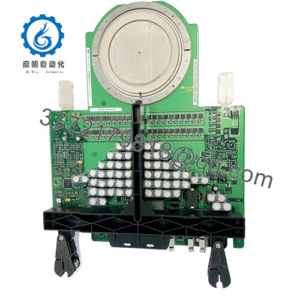
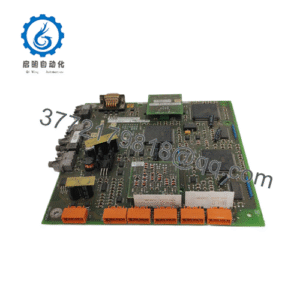
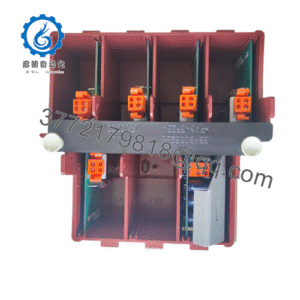
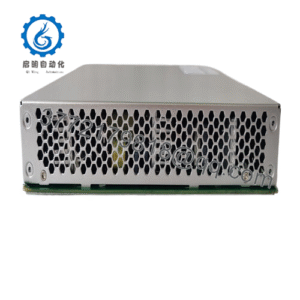
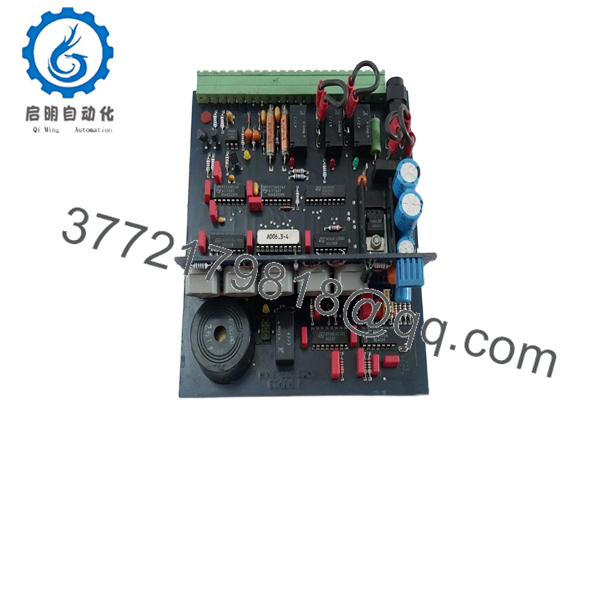
The H.M. Stein Sohn E340.4 A is a specialized printed circuit board engineered for high-reliability signal processing within 16Hz industrial and marine automation environments. Primarily found in legacy engine order telegraphs and monitoring systems, this module handles critical timing and frequency-dependent logic with a precise 62.5ms cycle rate.
As an obsolete component, the E340.4 A is essential for maintaining aging control infrastructure where modern 50/60Hz equipment is incompatible. Its robust German engineering ensures long-term stability in harsh environments, providing a direct-replacement solution that avoids the prohibitive costs of a complete system overhaul.

- E340.4 A
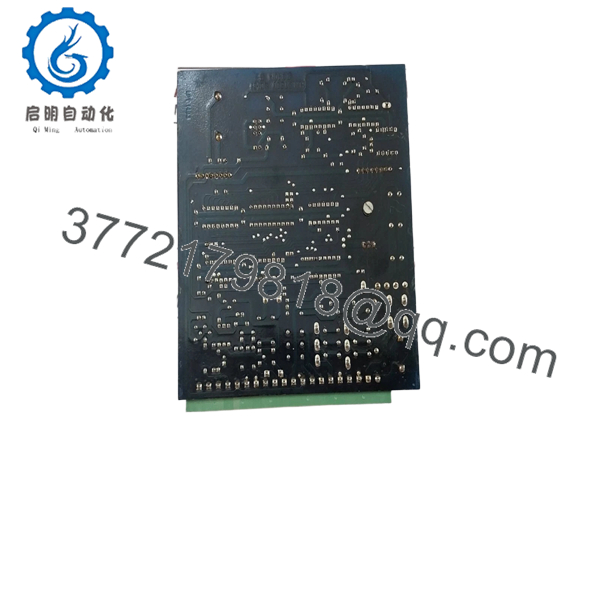
- E340.4 A
Installation & Configuration Guide
Stage 1: Pre-Installation Preparation (Estimated Time: 10 mins)
- ⚠️ Safety First: Disconnect all power to the rack or control cabinet. In marine applications, ensure the engine control system is in “Manual” or “Local” mode to prevent accidental start-up during the swap.
- Tools Required: ESD wrist strap, small flat-head screwdriver, and a smartphone for documentation.
- Data Backup: While this is a hardware-level PCB, document the positions of any jumpers or potentiometers on the existing board. Photograph the board edge connectors to ensure no wires are loose.
Stage 2: Removing the Old Module
- Ground yourself using an ESD strap attached to the cabinet frame.
- Carefully unscrew the front retaining screws if the board is mounted in a Eurocard rack.
- Use the board extractors (if present) to pull the module straight out of the backplane. Avoid any rocking motion to prevent bending the connector pins.
- Inspect the backplane connector for dust or oxidation. Use a can of compressed air for cleaning if necessary.
Stage 3: Installing the New E340.4 A
- Configuration Clone: Compare the new E340.4 A with the old unit. Match any physical jumper settings (e.g., for LFI 0993 vs. LPT 1493 configurations).
- Align the PCB with the rack guides and slide it in firmly until the connector seats fully into the backplane.
- Tighten the retaining screws to ensure the board does not vibrate loose—critical in high-vibration marine environments.
- Self-Checklist: [ ] Jumpers matched, [ ] Board fully seated, [ ] Screws secured.
Stage 4: Power-On & Testing (Estimated Time: 15 mins)
- Restore power to the control rack.
- Observe system status indicators. Check for the absence of “Card Fault” or “Communication Error” alarms on the master control panel.
- Verify the 16Hz signal integrity using an oscilloscope or the system’s built-in diagnostic menu.
- ⚠️ Troubleshooting Note: If the system fails to recognize the board, verify that the revision (A006.3-4) matches the original. Incompatibilities between E340.4 A and older E340 series revisions can occasionally cause bus timing issues.
Frequently Asked Questions (FAQ)
Is the E340.4 A hot-swappable?
Absolutely not. Pulling or inserting this PCB while the rack is powered can cause an inductive kick that may fry the backplane interface or the logic chips on the board itself. Always kill the 24V DC or 110V AC supply before handling the module.
Can I use the E340.4 A as a direct replacement for an E340.4 B?
Generally, yes. The “A” and “B” suffixes in Stein Sohn nomenclature often refer to minor component updates or manufacturing runs while maintaining backward compatibility. However, you must verify the LFI/LPT codes (e.g., LFI 0993) on your specific datasheet to ensure the timing logic matches.
Why is this board rated for 16Hz?
16Hz (specifically 16.7Hz) is a legacy frequency standard used in certain railway and marine power systems, as well as specific older signal conditioning circuits. This board is purpose-built for those niche timings and will not function in standard 50/60Hz monitoring applications.
What is the difference between “New Original” and “New Surplus”?
“New Original” typically means the part is in its original factory packaging from H.M. Stein Sohn. “New Surplus” means the part has never been used (not installed in a system) but may have been sat in a maintenance warehouse for several years. Both are functionally identical and fully tested.
Is there a modern replacement for this obsolete board?
There is no “drop-in” modern equivalent from other brands like Siemens or ABB. If this board fails and no surplus stock is available, you are usually looking at a full system migration to a modern PLC-based control architecture, which can cost tens of thousands of dollars in engineering time alone.