 WhatsApp: +86 16626708626
 Email:
  Phone: +86 16626708626
Description
3. Key Technical Specifications
- Processor: PowerPC 750
- Memory: 16 to 256 MB ECC DRAM
- Flash: Up to 9 MB on-board flash
- Ethernet: 10/100 Mb/s
- Bus interface: CompactPCI 64-bit interface
- PMC slot: Single 32/64-bit PMC expansion slot
- Serial ports: Two async serial ports, two async/sync serial ports
- USB: Two USB ports
- Power rails: +3.3 V, +5 V, ±12 V
- Power draw: 7.5 W maximum per PMC slot
- Board size: 233.4 mm x 80.0 mm
- Temperature: Check system-level datasheet before installation
4. Product Introduction
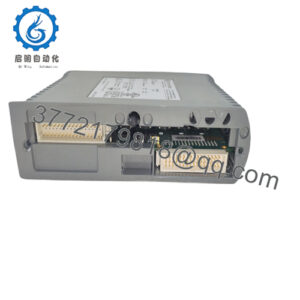
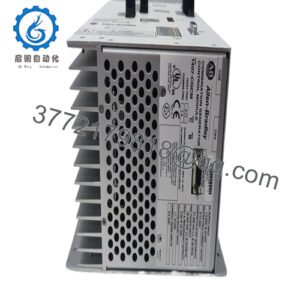
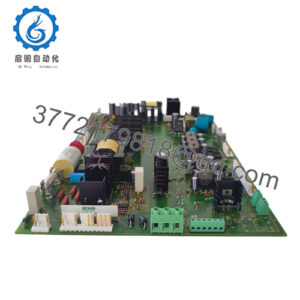
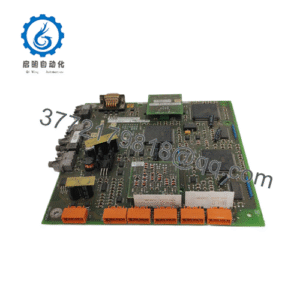
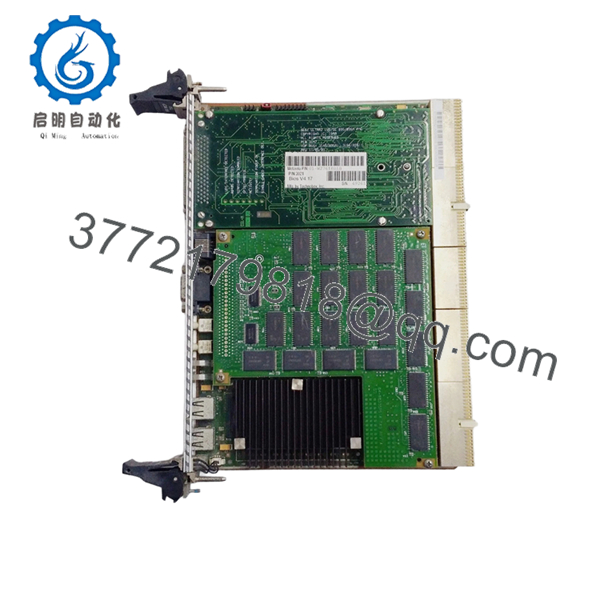
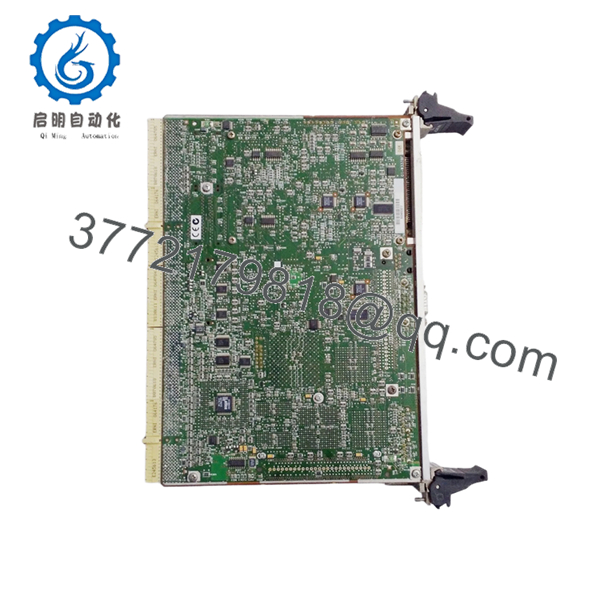
The MOTOROLA 3921-01-W2761E01B MCP750 is a CompactPCI host-slot processor board used in embedded control and industrial computing systems. It is based on the PowerPC 750 architecture and is designed for legacy cPCI racks that need a CPU board replacement.
This board is typically bought to keep older systems running without changing the backplane or application software. The main buying trigger is exact platform compatibility: bus width, rear I/O routing, and PMC option support have to match the original installation.

- 3921-01-W2761E01B
- 3921-01-W2761E01B
5. Troubleshooting Quick Reference
| Symptom | Possible Cause | Relevance to this Part | Quick Check Method | Recommendation |
|---|---|---|---|---|
| No boot, no LEDs | Missing backplane power, bad seat, or failed CPU board | ✅ High | Measure backplane rails and reseat the board in the cPCI slot | Check power and chassis seating first |
| Boots but no network link | Bad Ethernet cable, wrong port config, or onboard NIC fault | ✅ High | Confirm link LEDs and test with a known-good cable | Verify cabling and port setup before replacing the board |
| Diagnostic LEDs show CPU fault | Processor, memory, or firmware issue | ✅ High | Read the front-panel LED pattern and compare with the manual | Capture the fault code before pulling the board |
| Serial ports dead | Wrong COM settings, rear I/O harness issue, or connector damage | ✅ High | Loopback-test the serial port and inspect rear cabling | Check the TMCP700 or rear I/O path if fitted |
| System hangs during boot | Corrupt flash, bad NVRAM, or incompatible firmware | ✅ High | Clear CMOS/NVRAM if supported and retry boot | Reflash or verify firmware image before blaming hardware |
| Intermittent crashes under load | Overheating, memory fault, or power instability | ✅ High | Monitor chassis temperature and swap in known-good memory if possible | Check airflow and power budget before ordering a replacement |
Contact technical support with photos of the board label, LED state, chassis slot position, and any boot diagnostics if the fault is still unclear.
6. Frequently Asked Questions (FAQ)
Q: Is this board a direct replacement for my MCP750?
A: Usually yes if the full part number, revision, and cPCI backplane match. With older Motorola boards, the part code matters as much as the board family.
Q: What does 3921-01-W2761E01B refer to?
A: It is the specific Motorola ordering code tied to the MCP750 platform. Treat it as the exact identifier, not a loose description.
Q: Can I hot-swap this board?
A: No. Power down first. CompactPCI hardware may support certain service modes in some systems, but a CPU board swap is not something I would do live.
Q: Why is this part usually sold as surplus?
A: Because MCP750 is a legacy CompactPCI platform and is no longer current production. That is normal for older embedded control hardware.
Q: What are the common failure points?
A: Power rail issues, flash corruption, memory faults, and connector wear. In the field, I see more chassis and cabling problems than true CPU silicon failures.
Q: What should I confirm before ordering?
A: Match the full part number, cPCI backplane type, rear I/O arrangement, and any attached TMCP700 or transition hardware. If any one of those differs, you can end up with a board that powers up but does not integrate cleanly.