 WhatsApp: +86 16626708626
 Email:
  Phone: +86 16626708626
Description
3. Key Technical Specifications
- Board type: VMEbus serial communications processor
- CPU: Motorola 68000
- CPU clock: Up to 16 MHz
- Form factor: 6U VME
- Serial channels: Octal serial controller
- Memory: Dual-ported SRAM support
- SRAM sockets: Four 32-pin sockets
- Compatibility: JEDEC-compatible SRAM
- Application: Legacy industrial control and communications
- Platform note: Verify exact backplane and software compatibility before installation
4. Product Introduction
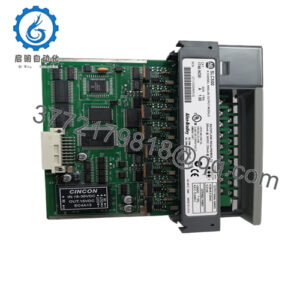
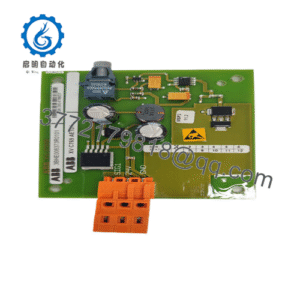
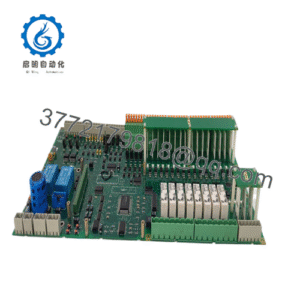
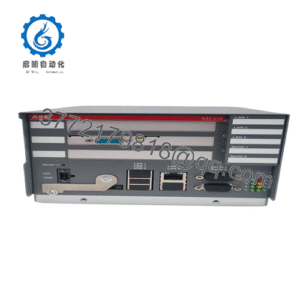
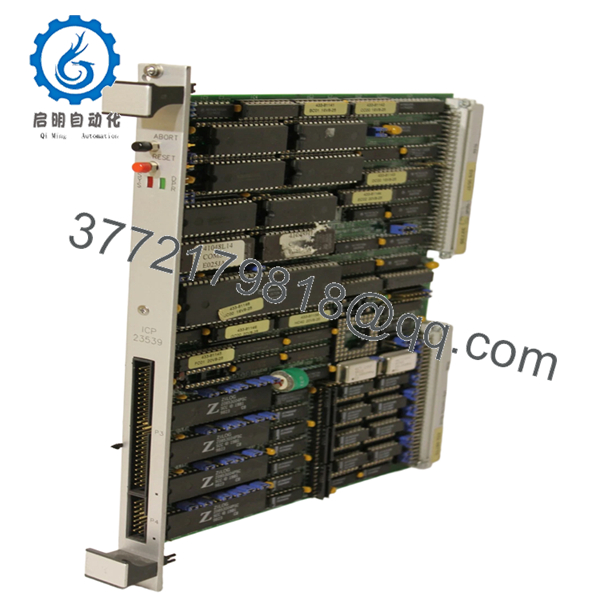
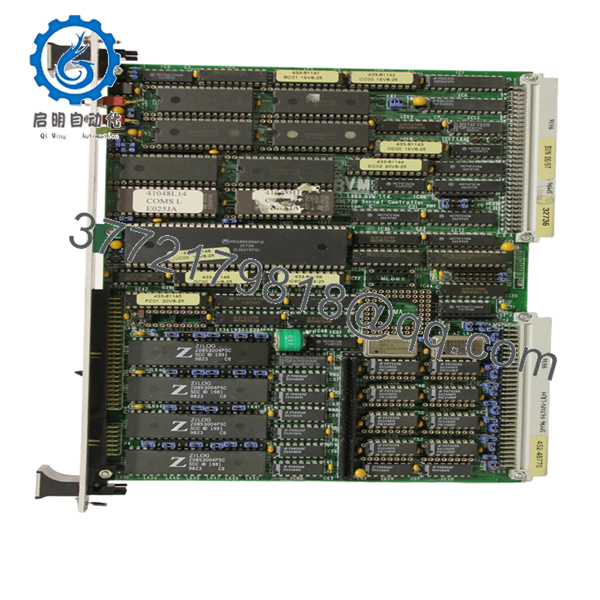
The MOTOROLA BVME770 is a VMEbus serial communications processor used in legacy industrial and embedded control systems. It combines a 68000 CPU with octal serial handling in a 6U VME form factor, making it a fit for older rack-based architectures.
Buyers usually source this board to keep an installed VME system running without a full platform migration. The key risk is compatibility: memory population, backplane fit, and software expectations need to match the original board revision.gidjulietstorage1.core.
5. Troubleshooting Quick Reference
| Symptom | Possible Cause | Relevance to this Part | Quick Check Method | Recommendation |
|---|---|---|---|---|
| No serial output on any channel | Board not seated, backplane power issue, or CPU fault | ✅ High | Check VME power rails and reseat the board | Verify chassis power and connector engagement first |
| One or two ports dead, others work | Local transceiver or line driver failure | ✅ High | Test each channel with a loopback plug | Compare dead ports against the rest of the board |
| Boot fails or hangs | Bad SRAM, firmware issue, or configuration problem | ✅ High | Inspect startup LEDs or console output if available | Check memory population and firmware image |
| Intermittent comms loss | Loose cabling, grounding issue, or aged connectors | ✅ High | Tug-test cables and inspect connector pins | Re-terminate or replace cabling before blaming the board |
| No response from host system | Address conflict or backplane slot mismatch | ✅ High | Verify VME slot assignment and board address settings | Confirm system configuration and jumpers |
| Board runs hot | Aging components, airflow problem, or overload | ✅ Medium | Measure chassis temperature and inspect airflow path | Check cooling and power budget before replacement |
Contact technical support with photos of the board label, slot location, jumper settings, and console or diagnostic logs if the issue is still unclear.

- BVME770
- BVME770
6. Frequently Asked Questions (FAQ)
Q: Is this a direct replacement for my BVME770 board?
A: Usually yes, if the revision, memory configuration, and backplane setup match. On older VME hardware, the exact board state matters more than the name on the front panel.
Q: What does BVME770 actually do?
A: It handles serial communications inside a VME system and uses a Motorola 68000 CPU. In practice, it acts as a controller for legacy rack-based serial I/O.elite+1
Q: Can I hot-swap it?
A: No. Power down first. VME boards are not the place to gamble with live insertion unless the system is specifically designed and documented for it.
Q: Why is this part usually sold as surplus?
A: Because it belongs to an older VMEbus platform that is no longer current production. That is normal for legacy industrial control boards.
Q: What should I verify before ordering?
A: Match the exact board revision, slot compatibility, memory setup, and any host software requirements. If the old board used custom SRAM or special jumper settings, copy those before removal.
Q: What usually causes failure after replacement?
A: Most problems come from configuration mismatch, connector issues, or memory setup, not the CPU itself. I have seen a “bad board” blamed when the actual problem was a jumper that never got moved.