 WhatsApp: +86 16626708626
 Email:
  Phone: +86 16626708626
Description
Key Technical Specifications
- Input Signal: Eddy current proximity sensor
- Power Supply: 24 VDC ±10%
- Output Signal: 4-20 mA, dynamic BNC output, relay alarm output
- Monitoring Range: ±2 mm standard
- Accuracy: ±1% of full scale
- Alarm Levels: Alert and Danger
- Operating Temperature: 0 to 60 C
- Mounting: VM rack compatible
- Model: VM-3D2/99B2020020
- Weight: About 1.1 kg
Product Introduction
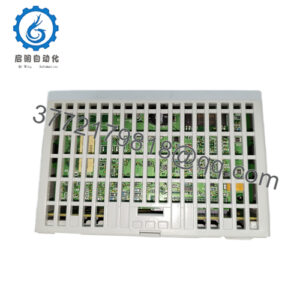
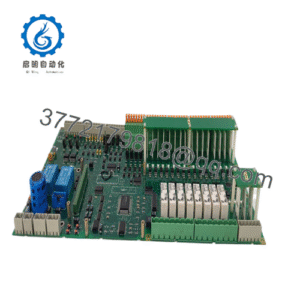
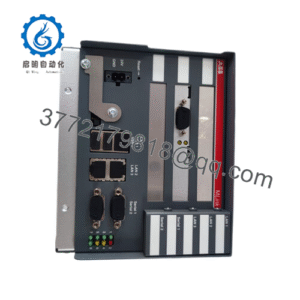
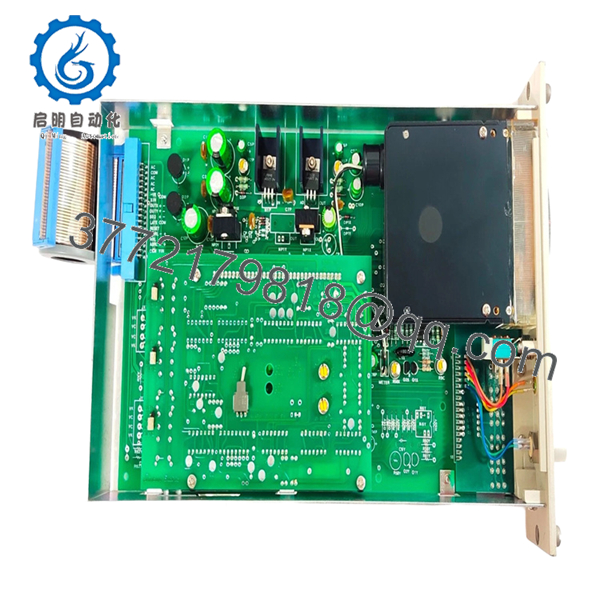
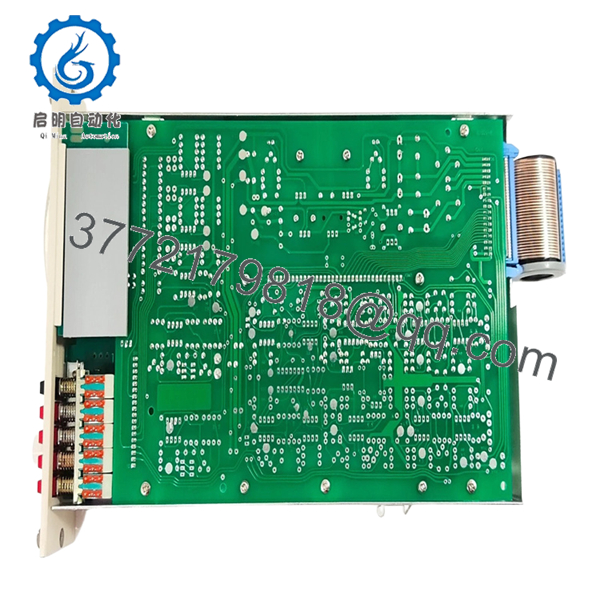
SHINKAWA VM-3D2-99B2020020 is a VM Series thrust monitor card used to measure axial displacement on rotating machinery. It is commonly applied to turbines, compressors, and other critical rotating assets where thrust position has to stay inside alarm limits.
This module is chosen for its sensor input compatibility, dual alarm structure, and 4-20 mA output for plant integration. For replacement work, the key is matching the exact range, rack interface, and field wiring before power-up.
Troubleshooting Quick Reference
| Symptom | Possible Cause | Relevance to This Part | Quick Check Method | Recommendation |
|---|---|---|---|---|
| No output signal | No 24 VDC supply or internal power failure | ✅ High | Measure 24 VDC at the card input terminals with a multimeter | Verify rack power and wiring before replacing the card |
| Thrust value stuck at zero | Proximity sensor issue or open sensor loop | ✅ High | Check sensor gap, cable continuity, and sensor supply | Inspect the probe and extension cable first |
| Alarm active at startup | Wrong range setting or alarm threshold misadjusted | ✅ Medium | Review dip switches, setup data, and alarm setpoints | Mirror the original configuration exactly |
| Output reads high or low bias | Probe gap drift or calibration mismatch | ✅ Medium | Compare live reading against the installed probe position | Recheck calibration and mechanical mounting |
| BNC waveform missing | Output jack issue or buffer failure | ✅ Medium | Test the BNC output with a scope and verify signal presence | Confirm the card is configured for dynamic output |
| Alarm relay will not reset | External loop wiring or contact logic problem | ✅ Medium | Check relay terminals, return wiring, and reset logic | Verify the alarm loop before blaming the card |
Contact technical support with photos, wiring details, and alarm logs if the fault is still unclear.

- VM-3D2-99B2020020
- VM-3D2-99B2020020
Frequently Asked Questions
Q: Is VM-3D2-99B2020020 the same as VM-3D2?
A: It is a specific part-numbered version of the VM-3D2 thrust monitor card. Match the full suffix, because the exact build can matter for range, labeling, and procurement records.
Q: Can I swap it in without recalibration?
A: Not safely. The sensor gap, range setting, and alarm thresholds should be checked after installation. If the old card had custom settings, copy them before removal.
Q: Is this hot-swappable?
A: No. Power down the rack first. Pulling a monitor card live can damage the rack or corrupt the measurement loop.
Q: Why is this part often sold as surplus?
A: Because it is a legacy industrial monitor. Most available units come from excess stock, decommissioned systems, or refurbished inventory.
Q: What condition should I expect?
A: Usually New Surplus or Refurbished and tested. Ask for actual board photos, terminal photos, and a test report before buying.
Q: What are the common failure points?
A: Bad proximity probes, loose wiring, calibration drift, aging electrolytic parts, and damaged output stages. In many cases, the card is blamed when the real problem is in the sensor loop.
Q: What warranty is realistic?
A: Limited warranty is normal for this type of legacy module, often 30 to 365 days depending on the seller and test process. Get the warranty terms in writing before ordering.