WhatsApp: +86 16626708626
 Email:
  Phone: +86 16626708626
Description
3. Key Technical Specifications
| Parameter | Value |
|---|---|
| Protection Function | Three-phase current differential |
| Protected Objects | Generators and motors |
| Current Measurement | True RMS, 6 channels (both sides of zone) |
| CT Secondary Options | ../1 A or ../5 A |
| Trip Setpoints | Differential current (Id), Stabilizing current (Is) |
| Configurable Delays | Yes |
| Alarm Relays | 4 |
| Discrete Inputs | 3 (blocking, acknowledgment, configuration) |
| Display | Two-line LC display |
| Mounting Options | Front panel or DIN rail / rear wall |
| Typical Variants | ESDR 401B (/1 A), ESDR 405B (/5 A) |
4. Product Introduction
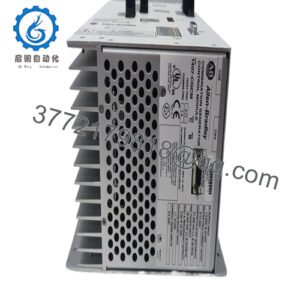
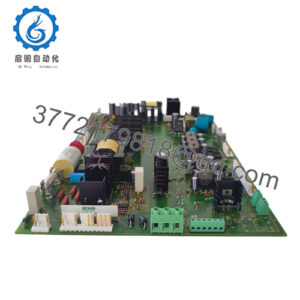
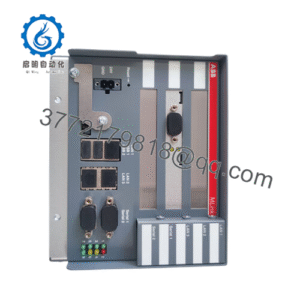
The Woodward ESDR 4 is a three-phase current differential protection relay designed for generators and motors. It measures current on both sides of the protected object with current transformers that define the protection zone.
Internal phase-to-phase short circuits and ground faults inside the zone produce a differential current that initiates a trip. External faults outside the zone do not cause tripping, providing selective protection. Configurable Id and Is setpoints, time delays, and four alarm relays allow precise adaptation to the application.
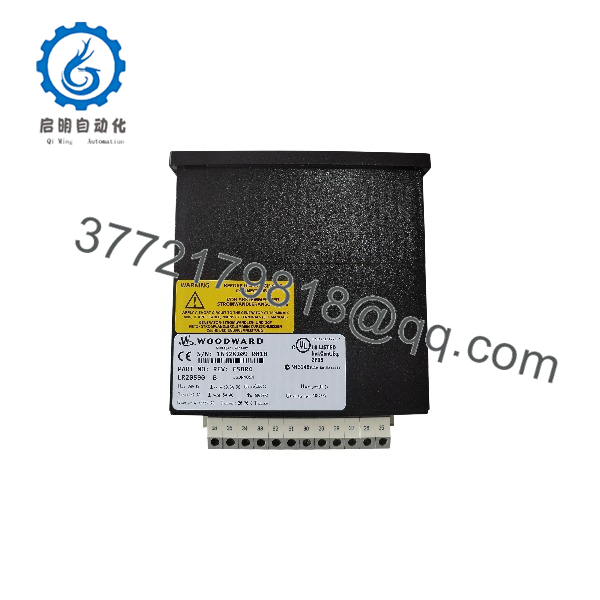
ESDR 4
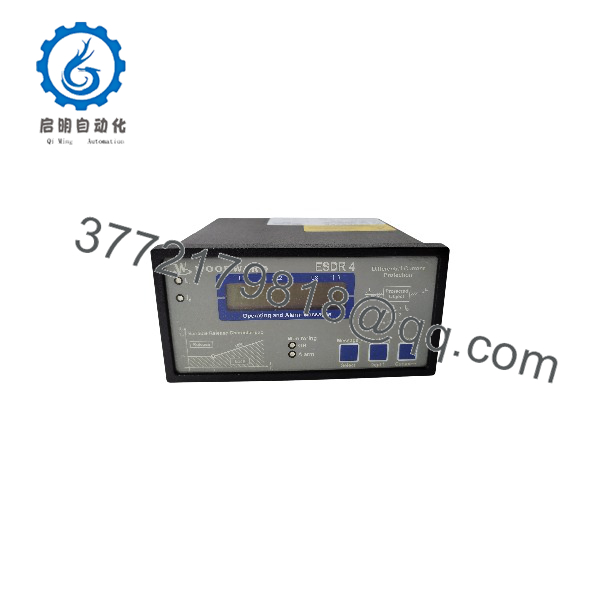
ESDR 4
ESDR 4
5. Troubleshooting Quick Reference
| Symptom | Possible Cause | Relevance to this Part | Quick Check Method | Recommendation |
|---|---|---|---|---|
| Relay trips on external fault | CT polarity reversed or incorrect CT ratio | ✅ High | Verify CT wiring polarity and ratio against nameplate | Correct polarity; re-check differential calculation |
| No trip on internal fault | Pickup settings too high or CTs open-circuited | ✅ High | Compare measured Id/Is values on LCD with setpoints | Lower Id setpoint or repair CT circuit |
| Continuous alarm / trip LED | Blocking input active or setpoint exceeded | ✅ Medium | Check discrete input status and measured currents | Clear blocking signal or investigate actual fault |
| LCD blank or frozen | Power supply failure or internal fault | ✅ High | Measure supply voltage at terminals | Restore power; replace unit if voltage is correct |
| Cannot change parameters | Configuration input not enabled or locked | ✅ Medium | Confirm discrete input wiring and access level | Enable configuration input per manual |
If the fault persists after these checks, record the LCD readings, CT ratios, and setpoint values, then contact support with photos of the wiring and nameplate.
6. Frequently Asked Questions (FAQ)
Q: What is the difference between ESDR 4 and ESDR 4T?
A: The ESDR 4 protects generators and motors. The ESDR 4T adds transformer differential protection with inrush restraint and configurable vector group/ratio settings for unit-connected generators, motors, and transformers.
Q: Which CT secondary rating should I order?
A: Order the version that matches your existing CTs: ESDR 401x for 1 A secondary or ESDR 405x for 5 A secondary. Using the wrong rating will produce incorrect differential current readings.
Q: Can the ESDR 4 be mounted on a DIN rail?
A: Yes. Both front-panel (B) and DIN-rail / rear-wall (M) versions are available. Confirm the suffix on the nameplate before ordering.
Q: Does the relay trip on external faults?
A: No. The differential principle compares currents entering and leaving the protection zone. External faults produce equal currents that cancel, so the relay remains stable.
Q: Is the unit still in production?
A: Woodward continues to support the ESDR 4 family. Stock is typically new surplus or current production units. Confirm availability and exact variant (401B, 405B, etc.) when quoting.
Q: How do I set the differential and stabilizing current thresholds?
A: Parameters are entered via the front-panel keypad and LCD. Refer to the specific setpoint ranges in the manual for the chosen CT ratio. Always verify settings after installation with primary injection or secondary injection testing.
Q: What discrete inputs are available?
A: Three inputs are provided for blocking, acknowledgment/reset, and configuration enable. Wire these according to the terminal diagram in the manual to avoid unintended trips or locked parameters.