 WhatsApp: +86 16626708626
 Email:
  Phone: +86 16626708626
Description
3. Key Technical Specifications
Note: ABB has published limited public technical information for the GFD233. The following specifications combine verified product classification with engineering practices typical of ABB excitation system hardware. Always verify the exact hardware revision and documentation before installation.
| Parameter | Value |
|---|---|
| Manufacturer | ABB |
| Model | GFD233 |
| Product Type | Generator Field Discharge Module |
| Primary Function | Generator field discharge and excitation protection |
| Application | Static excitation systems |
| Installation | Control cabinet / excitation panel |
| Cooling | Natural convection inside enclosure |
| Protection Method | Controlled field energy dissipation |
| System Compatibility | ABB excitation and generator control systems |
| Operating Temperature | Verify according to project documentation |
| Firmware | Not applicable (hardware module) |
| Maintenance | Periodic inspection of terminals and discharge components |
4. Product Introduction
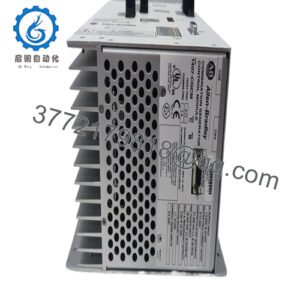
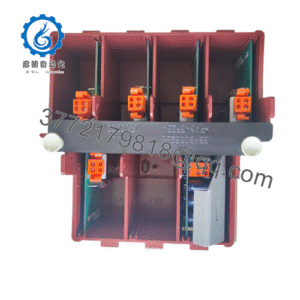
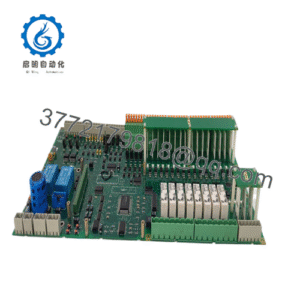
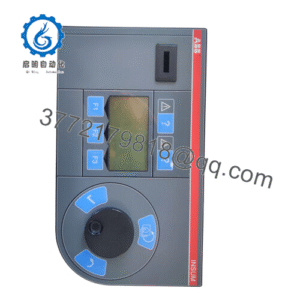
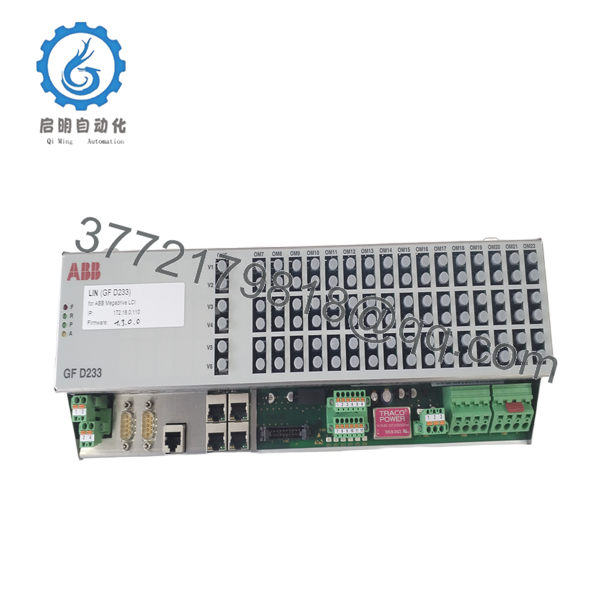
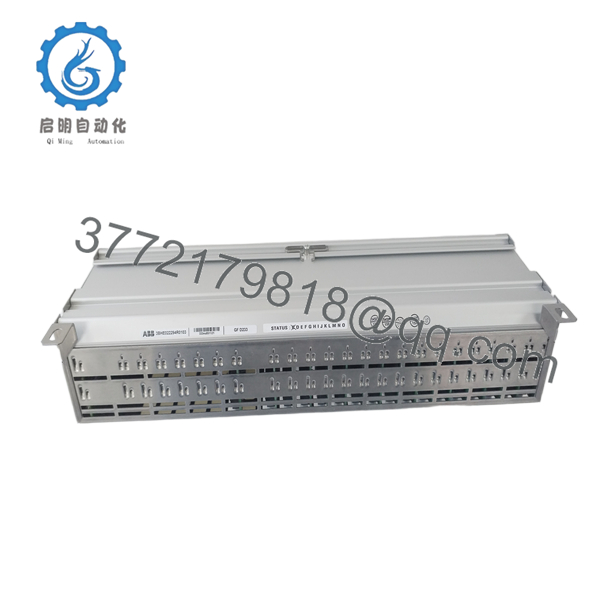
The ABB GFD233 is a generator field discharge module designed for ABB static excitation systems. It provides a controlled discharge path for generator field energy during shutdown, emergency trip conditions, or excitation faults, helping protect excitation equipment and generator field circuits.
Utilities, power plants, and industrial generation facilities select the GFD233 because it performs a dedicated protection function without adding programming complexity. When replacing an existing unit, engineers should verify wiring, excitation cabinet configuration, and compatibility with the installed excitation system revision.
5. Installation & Configuration Guide
Stage 1 – Pre-Installation Preparation (10 minutes)
⚠️ Safety First
- Notify operations of the planned outage.
- Place the generator in a safe shutdown condition.
- Apply Lock-Out/Tag-Out (LOTO).
- Wait at least 5 minutes for stored electrical energy to dissipate.
- Verify zero voltage before opening the excitation cabinet.
Required Tools
- ESD wrist strap
- PH1 and PH2 screwdrivers
- Digital multimeter
- Wire identification labels
- Smartphone or camera
- Insulation tester (if required by plant procedures)
Before Removing the Existing Module
- Record cabinet wiring.
- Photograph every terminal connection.
- Record cable numbers.
- Verify module revision.
- Review excitation system documentation.
Stage 2 – Removing the Existing Module (10 minutes)
- Open the excitation cabinet.
- Label every cable before disconnecting.
- Remove terminal wiring carefully.
- Release mounting hardware.
- Remove the GFD233 without twisting the assembly.
- Inspect connectors for corrosion, overheating, or loose terminals.
⚠️ Keep the original module until the replacement has completed commissioning successfully.
Stage 3 – Installing the New Module (10 minutes)
- Wear an ESD wrist strap.
- Confirm the replacement model is ABB GFD233.
- Compare terminal numbering with the original module.
- Install the module securely.
- Tighten terminals using the specified torque.
- Reconnect wiring exactly as documented.
Installation Checklist
- ✔ Correct model number
- ✔ Secure mounting
- ✔ Wiring verified
- ✔ Terminal torque confirmed
- ✔ Cabinet free of loose hardware
Stage 4 – Power-On & Functional Testing (15–20 minutes)
Before energizing:
- Measure insulation resistance where required.
- Verify no short circuits exist.
- Confirm generator excitation circuits are isolated correctly.
Power-up procedure:
- Energize the excitation cabinet.
- Observe all indication LEDs.
- Verify normal excitation controller diagnostics.
- Confirm no excitation alarms appear.
- Perform functional testing according to ABB commissioning procedures.
- Record test results for maintenance documentation.
⚠️ Troubleshooting
Module not operating
- Check control power.
- Verify terminal wiring.
- Inspect cabinet fuses.
- Confirm compatibility with the excitation system.
Unexpected excitation fault
- Inspect discharge circuit continuity.
- Verify field breaker operation.
- Check excitation controller diagnostics.
- Review wiring against the original drawings.

- GFD233
- GFD233
6. Frequently Asked Questions (FAQ)
Q1. Can the ABB GFD233 be replaced while the generator is energized?
No. This module is part of the generator excitation protection circuit. The excitation system should be completely isolated and de-energized before replacement. Attempting a live replacement can damage the module or associated excitation equipment.
Q2. Is the ABB GFD233 an obsolete product?
Many ABB excitation components remain in service for decades. Depending on the production revision, some GFD233 units may now have limited availability. Before planning a maintenance outage, confirm current inventory and the exact hardware revision required for your installation.
Q3. Does replacing the GFD233 require software programming?
Generally, no. The GFD233 performs a hardware protection function rather than programmable control. However, the excitation controller should be checked after installation to verify that all diagnostics are normal.
Q4. What should be inspected before installing a replacement module?
Inspect:
- Cabinet cleanliness
- Terminal tightness
- Wiring insulation
- Connector condition
- Excitation contactors
- Field discharge resistor circuit
- Associated protection devices
Replacing only the module without checking the surrounding circuitry can leave the original fault unresolved.
Q5. Why should the wiring be photographed before removal?
Field discharge circuits often contain multiple high-energy connections that appear similar. Even experienced technicians can accidentally interchange cables during reassembly. A complete photographic record helps reduce commissioning time and minimizes wiring errors.
Q6. Why can surplus ABB modules cost less than purchasing directly from the OEM?
Many industrial automation suppliers stock new surplus inventory acquired from project overruns, canceled expansions, or strategic spare-part inventories. These products are unused but may have been manufactured several years earlier. Always verify the module revision, manufacturing date, and condition before installation, especially for critical power generation applications.