 WhatsApp: +86 16626708626
 Email:
  Phone: +86 16626708626
Description
- Key Technical Specifications
- Supply voltage: 24 V DC (typical for AC 800PEC rack)
- Power consumption: ≈ 5–15 W (depending on channel loading)
- Analog inputs: Multiple channels (likely 4–8, voltage/current, high-resolution for fast loops)
- Analog outputs: Voltage or current (e.g., 0–20 mA / 4–20 mA)
- Digital inputs/outputs: Combined relay/solid-state, configurable for control signals
- Signal isolation: Galvanic isolation on channels (common in PEC modules)
- Scan/update time: Sub-millisecond capable for high-performance tasks
- Operating temperature: -20°C to +70°C (industrial/extended range typical)
- Storage temperature: -40°C to +85°C
- Mounting: Plugs into AC 800PEC controller base/rack (modular slot)
- Communication: Internal backplane to PEC CPU (no external fieldbus on base module)
- Dimensions: ≈ 290 × 323 × 35 mm (based on common listings)
- Weight: ≈ 0.8–1.5 kg
- Protection: IP20 (board level); enclosure dependent
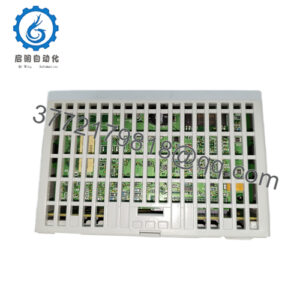
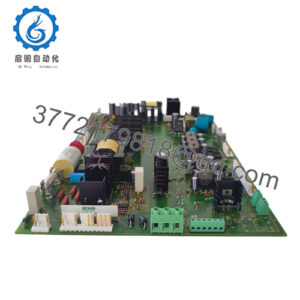
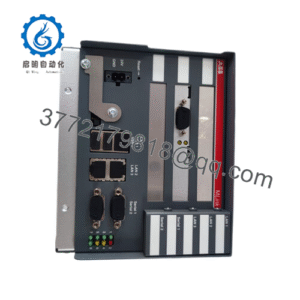
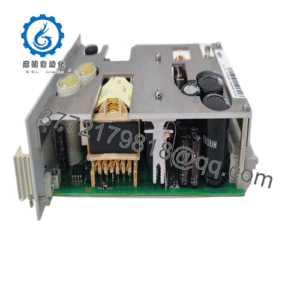
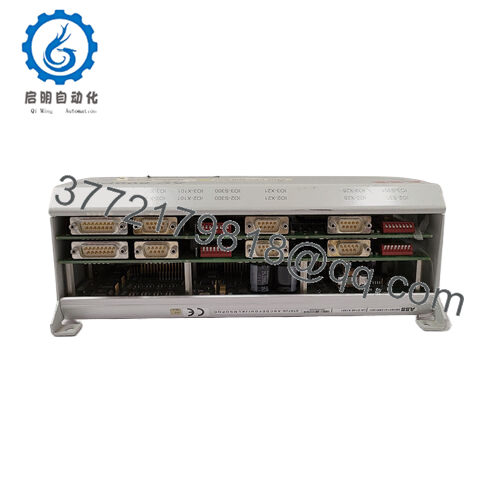
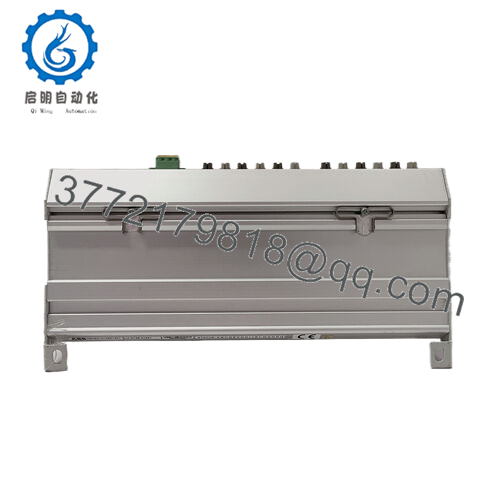
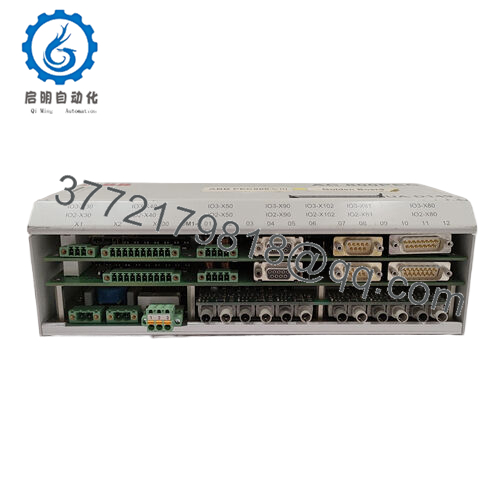
- Product Introduction The ABB 3BHE014135R0011 (UAD149A00-0-11) is a combined I/O module for the AC 800PEC controller, handling analog and digital signals in high-performance applications like static excitation systems, medium-voltage drives, and power conversion. It supports fast, deterministic I/O for closed-loop control in environments where standard PLCs fall short on speed or precision.
From field commissions on AC 800PEC racks, this module shines in hybrid setups—quick analog sampling for feedback loops plus reliable digital interfacing for interlocks and actuators. It’s a workhorse for legacy PEC systems still running in utilities and heavy industry, where replacing the full controller would mean major downtime.

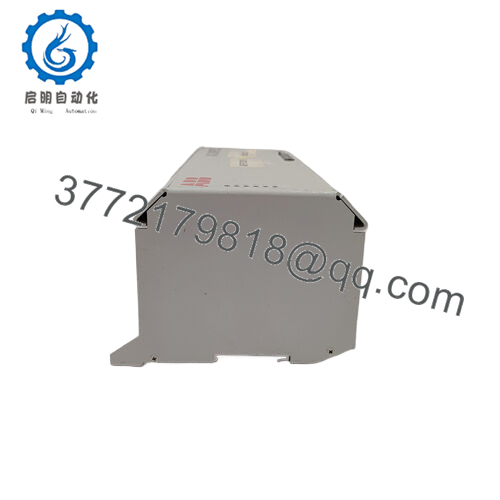
- UAD149A00-0-11 3BHE014135R0011
- Installation & Configuration Guide
Stage 1: Pre-Installation Preparation (≈ 20–45 minutes) ⚠️ Safety First: Isolate controller power, lock out/tag out rack supply, discharge capacitors (wait ≥5 minutes; verify 0 V on terminals). Coordinate with operations for process downtime. Tools Required: Grounded ESD wrist strap, torque screwdriver (0.5–1 Nm), multimeter, wire labels, smartphone for photos, PC with Control Builder M or PS501 (for AC 800PEC config). Data Backup: Export controller application (logic, I/O mapping) via tool, photograph module wiring (analog shields, digital commons), document channel assignments and any jumpers.
Stage 2: Removing the Old Module (≈ 15–30 minutes)
- Confirm zero voltage on rack and field terminals.
- Label and disconnect field wiring (short analog inputs if live signals present).
- Release module locking tabs or screws.
- Pull module straight out—inspect slot/backplane for dust or bent contacts. ⚠️ Keep old module as reference until new one runs flawlessly.
Stage 3: Installing the New Module (≈ 20–50 minutes)
- Ground with ESD strap. Verify new unit markings match 3BHE014135R0011 / UAD149A00-0-11 exactly.
- Configuration Clone (Crucial): Match any hardware jumpers or address settings from photos (if present; most PEC I/O auto-detected).
- Insert firmly into rack slot (listen for click/seating).
- Reconnect wiring channel-by-channel (torque screws; ensure shield grounding per manual). Self-Checklist: [ ] Jumpers/settings match, [ ] Wiring polarity/shielding correct, [ ] Module seated and locked, [ ] No loose strands.
Stage 4: Power-On & Testing (≈ 45–120 minutes) Pre-Power Check: Measure insulation resistance (>1 MΩ at 500 V) on I/O to ground; check for shorts on 24 V rail. Power-On Steps:
- Apply rack power—observe module LEDs (power OK, no immediate fault).
- Connect to configuration tool; verify module detection and firmware (if upgradable).
- Download application if needed; force I/O test points to check analog scaling/digital states.
- Simulate field signals (current/voltage injectors for analog, dry contacts for digital).
- Run in live process mode gradually—monitor no unexpected trips or signal noise. ⚠️ Troubleshooting Note: No detection? Check slot seating or rack power distribution. Erratic analog? Verify shielding/grounding—common in high-noise PEC environments. Fault LED? Cross-check channel config in tool.
- Frequently Asked Questions (FAQ)
Can this Combi I/O module be hot-swapped? No. Power down the AC 800PEC rack first. Live insertion risks backplane damage or I/O misreads—always isolate supply and wait for discharge.
Is the UAD149A00-0-11 obsolete, and is your stock genuinely new? Yes, mature AC 800PEC component (limited or no new production). We supply new surplus/original from verified sources. Each unit gets traceability verification, visual inspection (no corrosion/rework), power-on test (LEDs, basic channel actuation), and insulation/continuity checks. Test photos/videos available on request.
What is the direct replacement if this is out of stock? No exact drop-in—channel count and PEC-specific interface vary. ABB may suggest migration to newer AC 800M/900xA I/O modules, but that requires rack changes and re-engineering. Surplus or tested units remain the practical fix for existing PEC systems.
Will swapping the module erase the controller configuration? No—the I/O config lives in the PEC CPU/application. But always reload/verify channel mapping and scaling after swap, as slight hardware variances can affect calibration.
Why is your price lower than original ABB list? This is new surplus (unused, original from excess or decommissioned projects), not active production. We perform full functional testing but avoid OEM distribution costs. For critical power/excitation use, consult ABB service for any firmware or certification notes.