WhatsApp: +86 16626708626
 Email:
  Phone: +86 16626708626
Description
Key Technical Specifications
- Manufacturer: AEG, associated with legacy Modicon PLC installations
- Model Number: DEP112
- Order / Part Number: 233440
- Extended Reference: 6051-042.233440
- Product Category: Discrete digital input module
- Input Count: 32 digital input channels
- Nominal Input Voltage: 24 V DC
- Input Signal Type: PDS, as marked on unit and reseller references
- Installation: PLC rack / backplane-mounted module
- Typical Application: Machine control, interlock monitoring, pushbuttons, limit switches, relay contacts, and 24 V DC field-status feedback
- System Family: Legacy AEG Modicon programmable-controller I/O system
- Lifecycle Status: Obsolete / legacy spare part
- Weight: Approximately 1 kg reported by a refurbished-parts supplier; verify against the actual supplied unit and packaging before freight booking.
Product Introduction
The AEG DEP112 233440, also marked 6051-042.233440, is a 32-channel 24 V DC digital input module for legacy AEG Modicon PLC rack systems. It reads discrete field signals from devices such as limit switches, selector switches, relay contacts, pressure switches, and machine-status circuits. Available references identify it as a “32 dig. I/P 24 VDC PDS” module.
This module is normally purchased for like-for-like replacement where the installed PLC architecture and field wiring must remain unchanged. The key procurement check is not just “DEP112”: match the complete label reference, rack family, connector arrangement, input commoning method, and existing module revision before ordering.
Troubleshooting Quick Reference
| Symptom | Possible Cause | Relevance to This Part | Quick Check Method | Recommendation |
|---|---|---|---|---|
| No input LEDs change when field devices operate | Missing 24 V DC field supply, blown field fuse, open common return, damaged input module | ⚠️ Medium | Measure 24 V DC from the field supply positive to the input common/reference at the module termination point. Check the supply under load, not open circuit only. | Repair the supply, fuse, or common wiring before replacing DEP112. |
| One input point remains off although the sensor is energized | Open sensor output, broken wire, wrong sensor type, failed individual input channel | ✅ Medium | Measure the voltage directly at the corresponding input terminal while the device is active. Compare it with a known-good channel using the same field device type. | If 24 V DC reaches the correct terminal but the PLC never sees the state, the individual input channel may have failed. |
| Entire group of inputs drops out together | Lost input common, missing field supply group, loose terminal block, rack connector issue | ❌ Usually low | Identify whether the failed points share a common supply, terminal strip, cable bundle, or machine-zone fuse. Check terminal tightness and oxidation. | Do not condemn the module first. Group failures usually point to external wiring or a shared supply path. |
| PLC reports I/O fault after module replacement | Incorrect rack slot, incompatible revision, poor backplane engagement, bent connector pins | ✅ High | Power down, remove the module, inspect the edge connector and rack backplane under good light, then reinstall firmly in the original slot. Check controller diagnostics. | Confirm the replacement label reads DEP112 / 233440 or the approved equivalent reference. Do not force a similar-looking AEG card into the rack. |
| Inputs appear permanently on | Sourcing/sinking wiring error, incorrect input common reference, shorted field cable, leakage from an interface relay | ⚠️ Medium | Disconnect the field wire for one affected channel. If the PLC input remains on, inspect the module terminal or internal channel. If it turns off, trace the external circuit. | Verify the original wiring diagram and input reference arrangement. Do not wire from memory. |
| Intermittent input changes during machine vibration | Loose terminal, oxidized connector, fractured conductor, backplane contact issue | ⚠️ Medium | With the machine in a safe state, inspect and gently verify terminal retention. Review PLC input status while flexing only approved, de-energized wiring sections. | Correct wiring and connector faults first. Replace the module only if the issue follows the card to another verified rack position. |
| No LEDs or no PLC response after installation | Rack power issue, module seated incorrectly, wrong module family, ESD damage | ✅ Medium | Verify rack supply voltages at the power supply and backplane. Compare the module keying, connector format, and label against the removed card. | Remove power before reseating. Use a grounded ESD wrist strap when handling the module. |
| Input status is correct at the module but wrong in PLC logic | Address mapping error, program change, forcing active, communication or controller issue | ❌ Low | Compare physical input indication, PLC input image, forcing table, and logic cross-reference. | Investigate PLC configuration and software before purchasing a replacement input card. |
Document the old module’s label, slot location, field-terminal arrangement, and any visible jumper or switch positions before removal. Take photos first. Seriously. A card swap that changes a field common or rack position can create more downtime than the original fault.
If you get stuck, contact technical support with clear photos of the front label, rack position, terminal wiring, LED status, and controller diagnostic logs. That information is usually enough to determine whether the DEP112 is actually at fault.
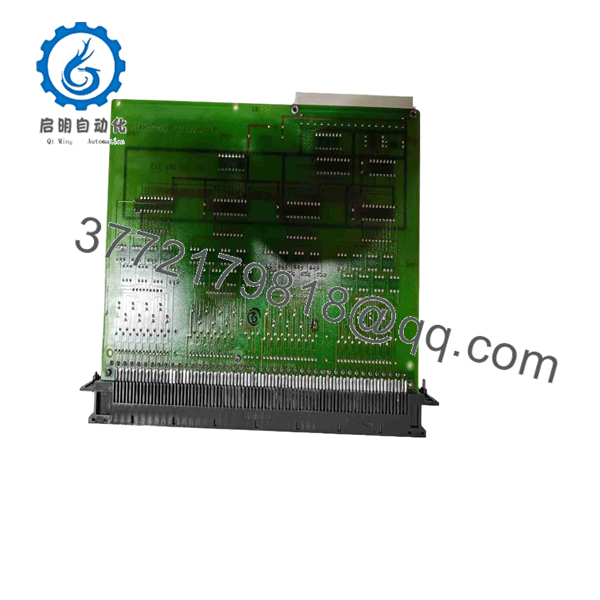
DEP112 233440
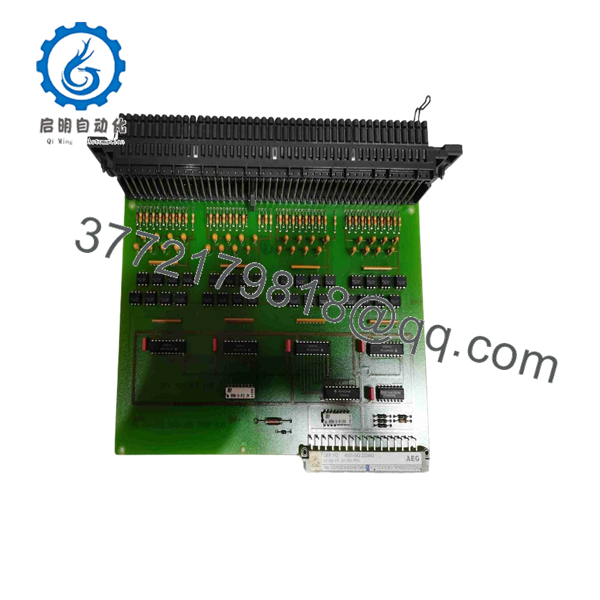
DEP112 233440
Frequently Asked Questions
Is the AEG 233440 a 24 V DC digital input module?
Yes. Available product references identify the 233440 / 6051-042.233440 as a 32 digital-input module rated for 24 V DC PDS service. It is intended to detect discrete on/off field states, not analog signals such as 4–20 mA, 0–10 V, RTD, or thermocouple inputs.
Can I use a different AEG input card if it has the same number of channels?
Not automatically. A 32-point count is only one part of compatibility. Confirm the rack family, backplane connection, electrical input type, input common arrangement, field terminal interface, address mapping, and module revision. Similar-looking legacy AEG cards can have different pin assignments or field wiring assumptions.
Is 233440 obsolete?
Yes, it should be treated as an obsolete legacy PLC component with availability dependent on surplus inventory and refurbished stock. Current marketplace listings include used, refurbished, and claimed new-original units, which means condition and traceability vary by supplier.
Can I hot-swap the module?
Do not assume it is hot-swappable. For a legacy rack system, the safe default is to isolate rack and field power, follow the machine lockout/tagout procedure, discharge static electricity, then remove and install the module. Pulling a card live can cause an I/O fault, damage the backplane connector, create an unintended field state, or interrupt a running process.
Will I lose PLC programming when replacing this module?
Replacing the input module should not erase the controller program because the application program normally resides in the PLC CPU or its memory hardware, not in the input card. However, you can still create a startup problem if the module is installed in the wrong slot, the I/O map changes, the field terminals are moved incorrectly, or a controller configuration expects a specific module type.
What should I photograph before removing the old module?
Photograph the complete module label, including , 233440, and 6051-042.233440 markings; the rack slot number; every field terminal; cable markers; input LEDs; and any jumper, DIP-switch, or keying position. I have seen a technician lose two days chasing a “bad replacement card” when the actual issue was one missing input common after the terminal block was transferred.
Why can a New Surplus cost less than factory supply?
Because obsolete parts often come from unused maintenance inventory, equipment decommissioning, distributor overstock, or liquidation channels rather than current OEM production. Lower price does not automatically mean lower quality, but it does mean you need proof. Ask for photos of the exact unit, label and serial-number images, packaging condition, a written warranty, and a functional test report before buying.
What testing should a supplier perform before shipping a refurbished unit?
At minimum, require visual inspection for corrosion, rework marks, damaged connectors, and UV-yellowed housings; serial-number and label verification; power-up and LED checks; installation in a compatible AEG PLC rack; communication or controller recognition checks; and full-channel input simulation using 24 V DC signals. A credible test should confirm that all 32 channels change state correctly and should produce a documented test report. For an electrically evaluated unit, insulation resistance and ground-continuity checks may also be appropriate where the module design and test procedure allow them.