WhatsApp: +86 16626708626
 Email:
  Phone: +86 16626708626
Description
Key Technical Specifications
- Catalog Number: 1394-AM04
- Manufacturer: Allen-Bradley
- Product Family: 1394 Digital AC Multi-Axis Motion Control System
- Module Type: Axis module / servo amplifier
- Input Voltage: 530-680 VDC
- Input Current: 4.8 A
- Output Rating: 3 kW
- Continuous Output Current: 4.5 A
- Peak Output Current: 9 A
- Output Voltage: 310-390 VAC, 3-phase
- Width: 50 mm
- Weight: About 4.45-4.99 kg
Product Introduction
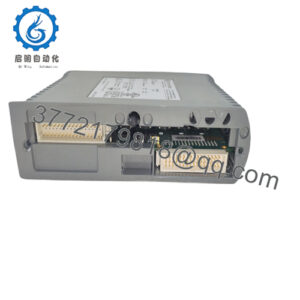
The Allen-Bradley 1394-AM04 is an axis module used in the 1394 Digital AC multi-axis motion control system. It converts DC bus power into controlled AC output for servo motor axis operation in industrial motion applications.
It is commonly specified where exact model match matters. The 1394-AM04 supports 530-680 VDC input, 3 kW output, and 4.5 A continuous current, so it fits replacement work where the original 1394-series axis module must match the existing drive rack.
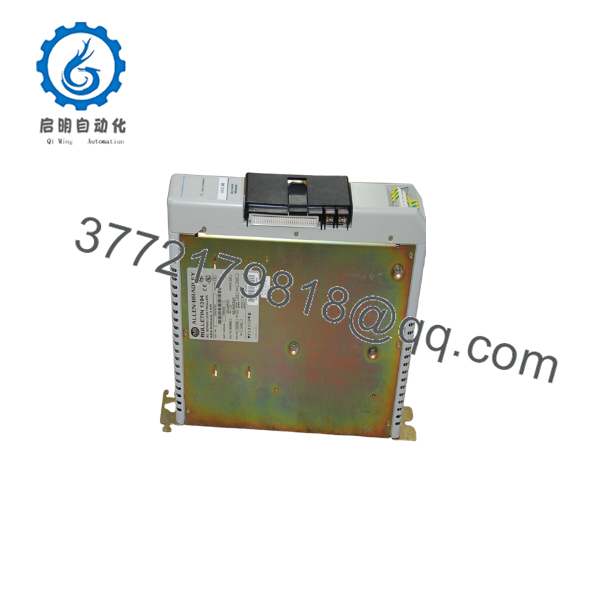
1394-AM04
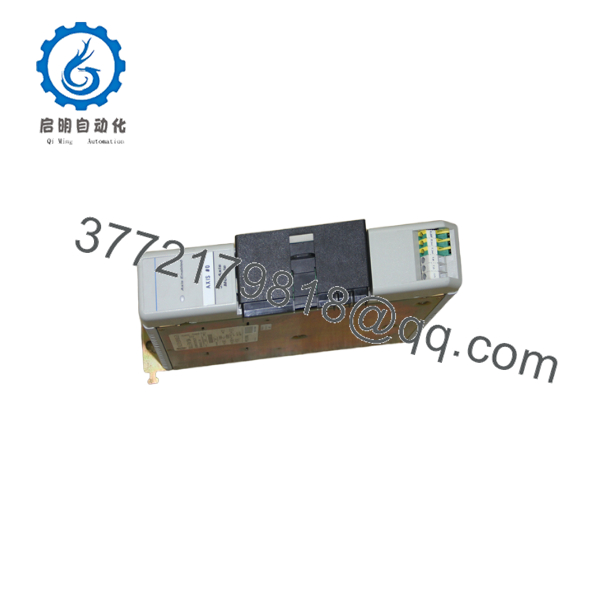
1394-AM04
Troubleshooting Quick Reference
| Symptom | Possible Cause | Relevance to this Part | Quick Check Method | Recommendation |
|---|---|---|---|---|
| No drive enable, no motor response | DC bus missing or upstream power fault | ❌ Low | Measure 530-680 VDC at the module input terminals | Check PSU, fuses, and bus wiring before replacing the module |
| Fault LED on at power-up | Internal axis module fault | ✅ High | Read the drive fault code and verify startup sequence | If the fault follows the module, replacement is likely justified |
| Motor jerks or stalls under load | Motor, encoder, or tuning issue | ❌ Low | Check feedback signals and verify motor cable continuity | Inspect motor and feedback wiring before condemning the drive |
| Overcurrent trip during acceleration | Motor load too high, tuning mismatch, or shorted output | ⚠️ Medium | Measure output current and inspect motor insulation | Verify load, motor, and cable condition first |
| Communication loss to controller | Backplane, network, or rack issue | ❌ Low | Check adjacent modules, cabling, and controller status | Do not assume the axis module is bad until comms are verified |
| Blown fuses or repeated power cycling | Shorted module or shorted motor cable | ✅ High | Isolate the motor cable and retest module power-up | If the fault remains with the cable disconnected, the module is suspect |
If you are stuck, send photos of the nameplate, rack layout, fault LEDs, and any diagnostic logs to technical support.
Frequently Asked Questions
Q: Is the 1394-AM04 hot-swappable?
No. Kill power before removal. These 1394 modules sit in a motion drive system, and swapping under power can damage the rack or the replacement unit.
Q: Is this a direct replacement for another 1394-AM04?
Usually yes, but verify the series letter, rack configuration, and wiring before installation. On older 1394 systems, small revision differences can still matter.
Q: Will my machine program stay in memory after replacement?
The axis module itself is not where you usually keep the full machine program. That said, always back up the controller and document the existing parameter set before you swap anything.
Q: Why is this cheaper than buying new from the factory?
Because the 1394-AM04 is an older, obsolete Allen-Bradley part and is often sold as new surplus or refurbished stock. That lowers price, but you need a supplier that documents testing and condition clearly.
Q: What condition should I expect?
For this part, the honest answer is usually New Surplus or Refurbished (tested). Ask for the exact condition, test method, and photos before you order.
Q: What should I check before installing a used 1394-?
Check the part number, series, input bus voltage, connector condition, and any physical damage. Also mirror the original DIP and wiring setup if your rack uses external configuration points.
Q: Does this module fail often?
Not usually. In the field, many “bad drive” calls turn out to be DC bus issues, motor cable faults, encoder problems, or configuration mistakes. Verify the system around the module before you replace it.