WhatsApp: +86 16626708626
 Email:
  Phone: +86 16626708626
Description
3. Key Technical Specifications
| Parameter | Value |
|---|---|
| Configuration | Redundant media (dual ControlNet ports) |
| ControlNet Communication Rate | 5 Mbps |
| Max Nodes | 99 |
| Logix Connections | 128 (131 total; 3 reserved for redundancy) |
| Connectors | 2 × ControlNet BNC + 1 × USB |
| Backplane Current @ 5.1 V DC | 1.3 A |
| Backplane Current @ 24 V DC | 3 mA |
| Power Dissipation, Max | 6.6–6.7 W |
| Thermal Dissipation | ≈ 22.5–22.9 BTU/hr |
| Isolation Voltage | 30 V continuous, basic insulation |
| Slot Width | 1 |
| Operating Temperature | 0 °C to +60 °C |
| Weight (approx.) | 0.293 kg (0.64 lb) |
4. Product Introduction
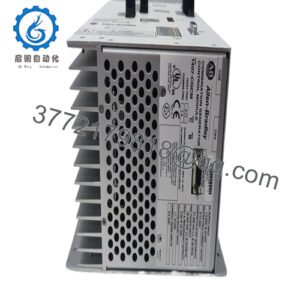
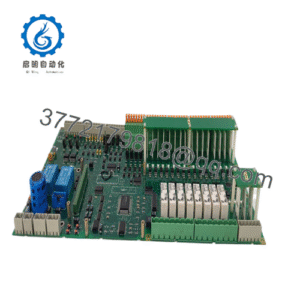
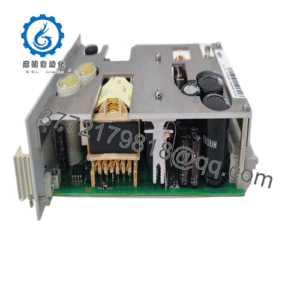
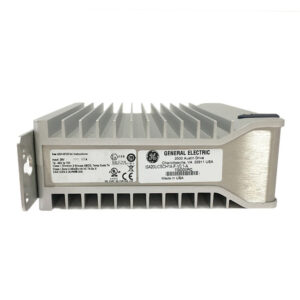
The Allen-Bradley 1756-CN2R is a ControlLogix ControlNet bridge module with dual media ports for redundant ControlNet networks. It installs in any slot of a 1756 chassis and provides deterministic 5 Mbps communication to up to 99 nodes.
The module supports 128 standard Logix connections (plus three reserved for redundancy) and includes a USB port for local configuration and diagnostics. It is the engineered replacement for the older 1756-CNBR and is used in both standalone and ControlLogix redundancy systems where media redundancy is required.
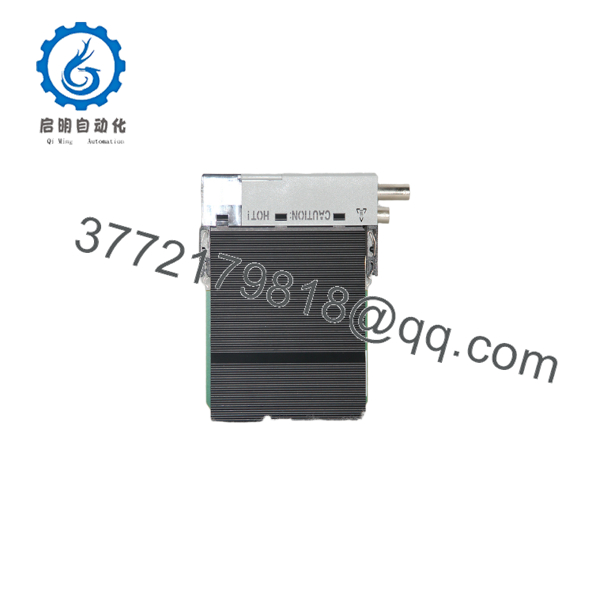
1756-CN2R
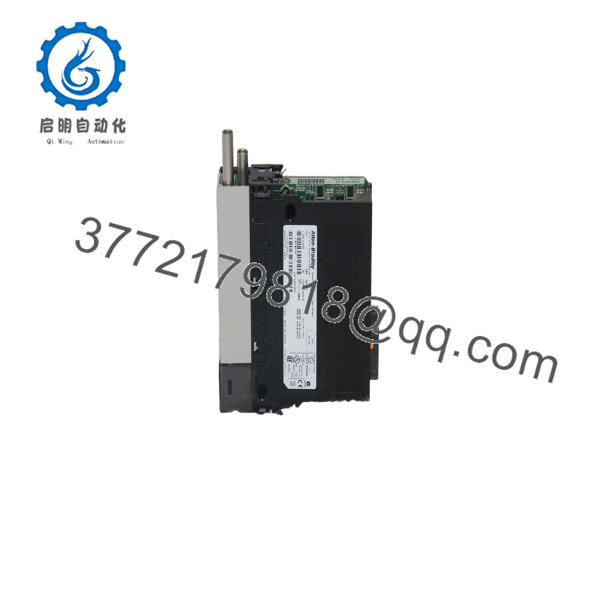
1756-CN2R
5. Troubleshooting Quick Reference
| Symptom | Possible Cause | Relevance to this Part | Quick Check Method | Recommendation |
|---|---|---|---|---|
| OK LED red / module faulted | Node address conflict or firmware issue | ✅ High | Verify rotary switches (01–99); check alphanumeric display | Correct node address; update firmware if needed |
| Channel A or B status red | Media fault, missing terminator, or cable break | ✅ High | Inspect coax cable, connectors, and 75 Ω terminators | Repair/replace cable or terminators; check both channels |
| No communication to remote nodes | Incorrect network configuration or keeper issue | ✅ High | Verify keeper status and network schedule in RSNetWorx | Re-schedule network; confirm module is keeper-capable |
| USB port not recognized | Driver or cable issue | ❌ Medium | Use recommended USB cable; check device manager | Install correct drivers; try different cable |
| High backplane current / overheating | Overloaded chassis or poor ventilation | ❌ Low | Measure chassis current; check airflow | Redistribute modules or improve cooling |
| Redundancy switchover problems | Media imbalance or configuration mismatch | ✅ Medium | Compare Channel A/B diagnostics; verify identical cabling | Balance media lengths and terminations |
If diagnostics remain unclear, capture the alphanumeric display codes, channel status LEDs, and network schedule before contacting support.
6. Frequently Asked Questions (FAQ)
Q: Is the 1756-CN2R still in production? Yes. It remains an active ControlLogix product and is the recommended replacement for the discontinued 1756-CNBR.
Q: What is the difference between 1756-CN2 and 1756-CN2R? The CN2 has a single ControlNet port. The CN2R has dual ports for media-redundant (A/B) networks.
Q: How many Logix connections does the 1756-CN2R support? 128 standard Logix connections. Three additional connections are reserved for ControlLogix redundancy, for a total of 131.
Q: Can the 1756-CN2R be used in a ControlLogix redundancy system? Yes. Series B modules support both standalone and enhanced redundancy systems when installed in primary/secondary chassis pairs.
Q: What cable is required for the ControlNet ports? Use 1786-RG6 quad-shield RG-6 coaxial cable with BNC connectors. Install 75 Ω terminators at both ends of each trunk.
Q: Does the module support hot-swapping? Yes. ControlLogix supports Removal and Insertion Under Power (RIUP) when the system is properly configured. Follow Rockwell safety guidelines.
Q: Why is New Surplus sometimes priced lower? These are genuine Allen-Bradley modules from excess inventory or cancelled projects. They are unused and typically supplied with anti-static protection. They are not refurbished unless specifically stated.