WhatsApp: +86 16626708626
 Email:
  Phone: +86 16626708626
Description
Key Technical Specifications
| Parameter | Value / Specification |
| Catalog Number | 1757-SRM |
| Module Type | ControlLogix System Redundancy Module |
| Backplane Current Draw | 1.5 A @ 5.1V DC, 0 mA @ 24V DC |
| Power Dissipation | 7.65 W max |
| Redundancy Cable Type | 62.5/125 µm multi-mode fiber-optic cable (1757-RSC5, -RSC10, -RSC50, -RSC100) |
| Max Redundancy Cable Length | 1,000 meters (3,280 feet) |
| Data Rate | 100 Mbps dedicated fiber synchronization link |
| Optical Transceiver Wavelength | 1300 nm (SC duplex connector) |
| Status Display | 4-character alpha-numeric display for redundancy status and diagnostic codes |
| Chassis Location | Standard ControlLogix chassis slot (requires dedicated position in primary and secondary racks) |
| Isolation Voltage | 30V continuous (tested at 500V AC for 60 s, fiber link to backplane) |
| Operating Temperature | 0 to 60°C (32 to 140°F) |
Product Introduction & Supply Chain Strategy
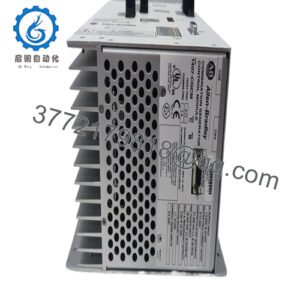
This product is a Brand New Surplus unit. It is not used, not pulled from a decommissioned plant, and not refurbished. All modules undergo rigorous quality verification to ensure OEM-level reliability. The Allen-Bradley 1757-SRM is a dedicated System Redundancy Module engineered to link pair ControlLogix chassis, providing seamless, zero-bumpless cross-load synchronization for mission-critical automation applications where process interruption is unacceptable.
Because Rockwell Automation has discontinued legacy redundancy hardware in favor of newer platforms, securing a genuine 1757-SRM as New Surplus provides vital strategic protection against unexpected plant shutdowns. Utilizing refurbished redundancy modules introduces severe operational vulnerabilities, as aged fiber transceivers and internal memory components can cause cross-load synchronization timeouts and false switchover events. Acquiring factory-fresh New Surplus units protects high-availability assets, guarantees full optical transmission strength, and lowers Total Cost of Ownership by eliminating emergency switchover failures.
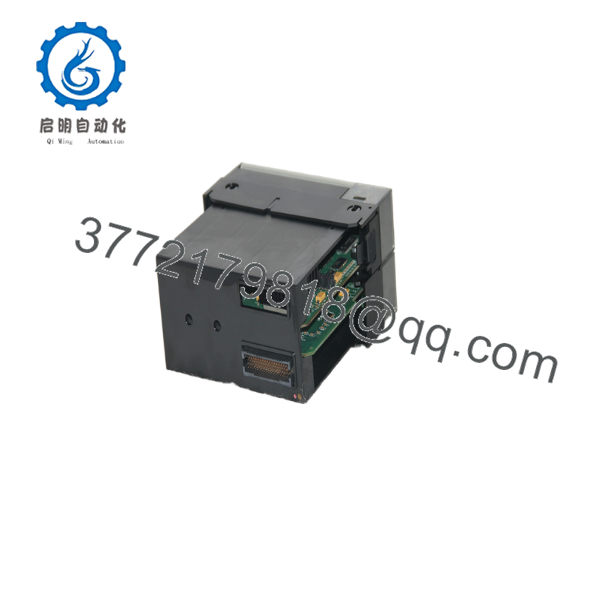
1757-SRM
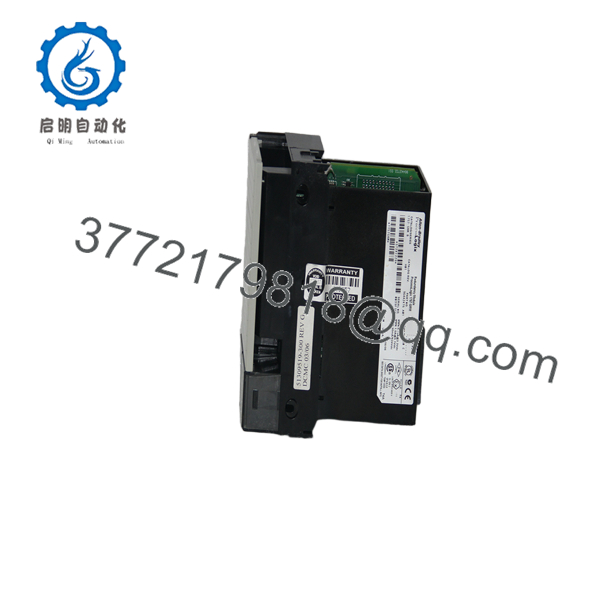
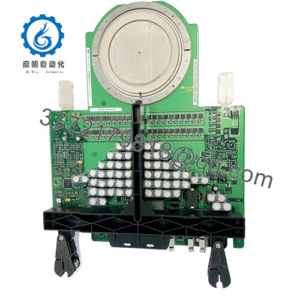
1757-SRM
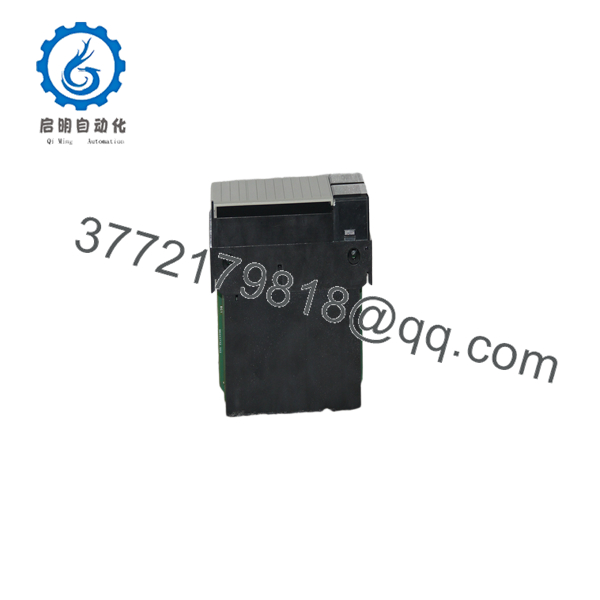
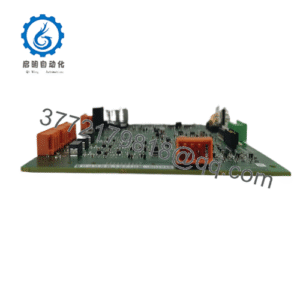
1757-SRM
Installation & Configuration Guide
1.Pre-Installation (Prep & Safety):Safety warning: Clean all fiber optic connectors prior to insertion to prevent optical attenuation.
Perform Lock-Out/Tag-Out (LOTO) procedures on cabinet supply feeds for both target primary and secondary chassis. Put on an anti-static wrist strap anchored to cabinet ground. Inspect fiber connectors (SC-type) using an optical scope and clean with fiber-cleaning wipes before making any hardware connections.
2.Removal:
Disconnect the dual SC fiber cable from the front optical transceiver of the legacy 1757-SRM module and attach dust caps immediately. Depress the top and bottom chassis locking latches on the module housing. Pull the module straight forward off the backplane tracks without applying rotational torque to the connector pins.
3.Installation (Clone & Seat):
Unpack the New Surplus 1757-SRM module inside an ESD-protected workstation. Align the card edges with the designated chassis slot (ensure slot positions match perfectly between primary and secondary redundancy racks). Slide the module in firmly until both locking levers engage with a distinct click. Connect the 1757-RSC fiber optic cable securely between the two 1757-SRM modules.
4.Power-On & Testing:
Restore power simultaneously or sequentially to both ControlLogix chassis. Observe the 4-character display: monitor boot sequence until the primary module displays PRIM and the partner module displays SYNC or DISC depending on secondary state. Run synchronization validation in Studio 5000 / RSLogix 5000 to verify switchover availability without fault flags.
Firmware/Software Versions & Upgrade Notes
- Firmware Lock-Step: Firmware revisions between the primary 1757-SRM module, secondary 1757-SRM module, partner processors, and communication cards (CN2R, EN2T) MUST be identical down to the revision level specified in the Rockwell Redundancy Revision Matrix.
- Revision Compatibility: 1757-SRM Series A and Series B modules support specific firmware ranges (e.g., V3.x to V15.x redundancy revision bundles). Mixing module hardware series or firmware versions between paired chassis will prevent cross-load synchronization (DISC state).
- Upgrade Warning: Firmware upgrades in a redundant system must strictly follow the paired upgrade workflow. Attempting to flash a 1757-SRM while the system is actively holding primary control can trigger an immediate switchover failure or lock the module in a boot-loop state.
Frequently Asked Questions (FAQ)
Why is this module priced higher than used or refurbished 1757-SRM units?
Redundancy hardware acts as the final line of defense against multimillion-dollar plant outages. Refurbished 1757-SRM modules often have degraded optical transceivers, thermal stress on high-speed SRAM chips, or dirty fiber ports that lead to high bit-error rates and spontaneous redundancy disengagements. Investing in New Surplus guarantees zero operating hours, full optical power output, and complete peace of mind on critical process control loops.
Are these 1757-SRM units genuine OEM parts?
Yes. We strictly guarantee that every 1757-SRM module supplied is 100% Original OEM New Surplus. Sourced from strategic reserves, canceled facility construction surplus, and verified distributor overstock, each module passes visual, mechanical, backplane, and optical port transmission tests prior to dispatch.
Can I replace a 1757-SRM module with a 1756-RM or 1756-RM2 module?
No, not directly as a single module swap. The 1756-RM and 1756-RM2 are newer ControlLogix redundancy modules that utilize different firmware bundles, backplane protocols, and processor generation support (L7/L8). Upgrading from a 1757-SRM to a 1756-RM2 requires updating processor hardware, communication bridges, chassis firmware, and project software. The 1757-SRM New Surplus unit provides a direct drop-in replacement without expensive system re-engineering.
Does the 1757-SRM support hot-swapping (RIUP)?
Yes. The module supports Removal and Insertion Under Power (RIUP). If the secondary (backup) chassis 1757-SRM fails or requires replacement, it can be swapped out while the primary chassis remains in full control of the process without interrupting control loops.
What warranty coverage is included with this New Surplus 1757-SRM module?
We back all New Surplus 1757-SRM modules with a full 1-year replacement warranty. If the module experiences any functional performance defect or synchronization issue within 12 months under standard operating conditions, we will replace the unit immediately from our ready stock.