WhatsApp: +86 16626708626
 Email:
  Phone: +86 16626708626
Description
Key Technical Specifications
- Part Number: 1762-OW16
- Manufacturer: Allen-Bradley / Rockwell Automation
- Product Family: MicroLogix expansion I/O
- Module Type: Relay output module
- Output Channels: 16
- Output Type: AC/DC normally open relay
- Operating Voltage Range: 5-265 V AC; 5-125 V DC
- Current per Point: 2.5 A max
- Current per Common: 8 A max
- Current per Module: 16 A max
- Bus Current Draw: 180 mA @ 24 V DC
- Heat Dissipation: 6.1 W max
- Signal Delay: 10 ms on-delay, 10 ms off-delay
- Isolation Groups: 2 groups
- Mounting: DIN rail or panel
- Operating Temperature: 0-55 °C
- Dimensions: 90 x 40.4 x 87 mm
- Weight: 0.63 lb
Product Introduction
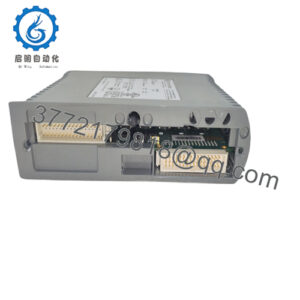
The Allen-Bradley 1762-OW16 is a MicroLogix relay output expansion module used to switch AC and DC field loads from a compact PLC system. It provides 16 normally open relay outputs for solenoids, lamps, interposing relays, and other discrete loads.
It is a straightforward choice when you need contact-type outputs instead of transistor outputs. The wide voltage range, 2.5 A per point rating, and dual isolation groups make it useful for mixed-voltage control panels and retrofit work.
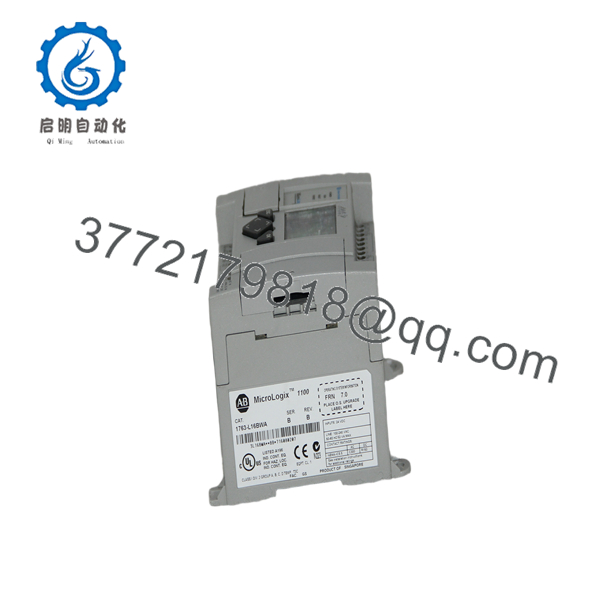
1762-OW16
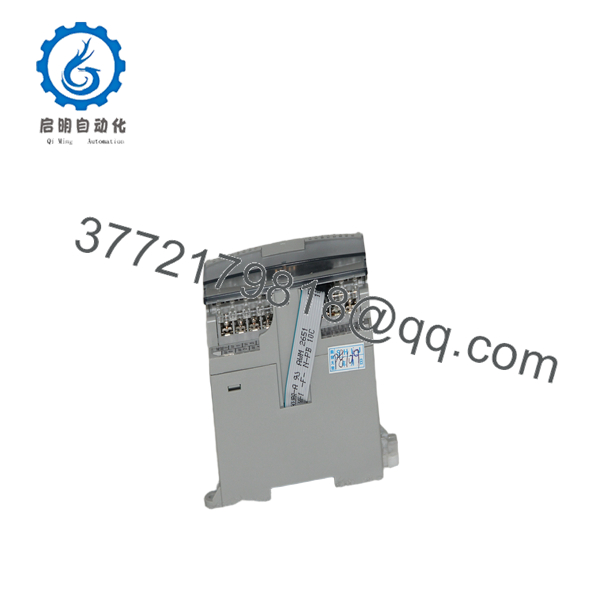
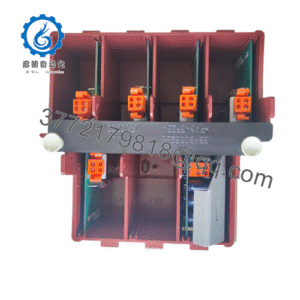
1762-OW16
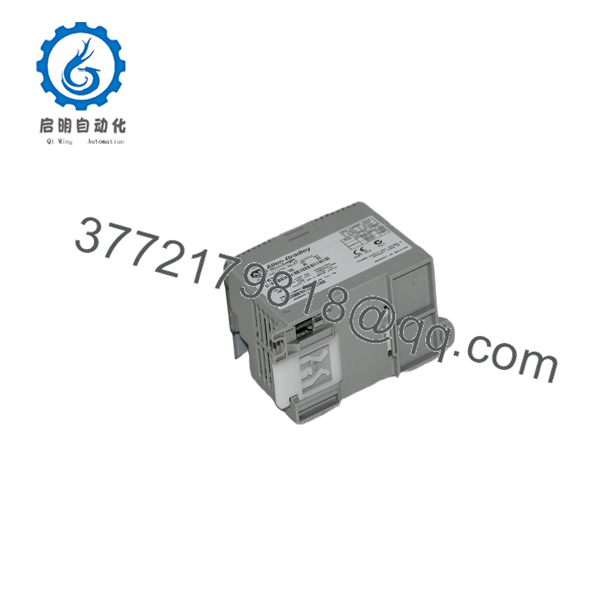
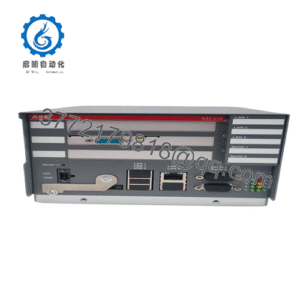
1762-OW16
Troubleshooting Quick Reference
| Symptom | Possible Cause | Relevance to this Part | Quick Check Method | Recommendation |
|---|
| Symptom | Possible Cause | Relevance to this Part | Quick Check Method | Recommendation |
|---|---|---|---|---|
| Output LED is on, but load does not switch | Open field wire, missing supply, or worn relay contact | ✅ High | Measure voltage at the load side and test continuity through the relay | Check wiring and field supply before replacing the module |
| One point works intermittently | Loose terminal, oxidized contact, or marginal load current | ✅ High | Wiggle-test the terminal and measure continuity during actuation | Re-terminate or replace if the relay contact is unstable |
| Several points in one group fail | Common feed missing or group fuse blown | ✅ High | Verify the group supply and inspect the common terminal | Restore the group power first |
| Output stays energized | Welded relay contact or external backfeed | ✅ High | Remove the field wire and check whether the contact opens normally | Replace the module only after isolating the field circuit |
| Module not detected by controller | Poor seating, wrong base, or controller communication issue | ⚠️ Medium | Reseat the module and check controller diagnostics | Confirm the expansion bus and base module first |
| Heat buildup at the module | Overcurrent load or too many switching cycles | ✅ High | Measure actual current per point and compare to 2.5 A spec | Reduce the load or add an interposing device |
| Outputs chatter | Supply instability or control logic cycling too fast | ⚠️ Medium | Monitor the commanded state and field voltage stability | Fix the upstream control issue |
If you are stuck, send support photos of the wiring, module LEDs, and controller diagnostics logs.
Frequently Asked Questions
Q: Is the 1762-OW16 a relay output module?
A: Yes. It uses 16 normally open relay outputs, so it can switch AC or DC loads without the polarity limits you get with transistor cards.
Q: What controllers does it work with?
A: It is meant for MicroLogix 1200 and 1400 expansion applications. Always confirm the exact controller and base configuration before ordering.
Q: Can I use it for 24 VDC solenoids and pilot lights?
A: Yes, that is a normal use case. Just stay within the per-point and per-common current ratings so you do not burn up the contact set.
Q: Is it the same as a transistor output module?
A: No. A relay module gives you dry contact switching. That is slower than transistor output, but it is more flexible for mixed AC/DC loads.
Q: Why is this sold as New Surplus?
A: Because the part is usually unused inventory from overstock or old project stock. It is not factory-fresh production, but it is still a new unused part if the condition is stated correctly.
Q: What is the most common installation mistake?
A: Mixing up the common terminals between the two output groups. Take a photo before removing the old unit; it saves a lot of rework.
Q: What should I check before assuming the module is bad?
A: Check the load supply, common terminal, field wiring, and relay continuity first. To be honest, most “dead output” calls on relay cards come down to wiring or load-side issues, not a failed module.