WhatsApp: +86 16626708626
 Email:
  Phone: +86 16626708626
Description
Key Technical Specifications
- Part Number: 1769-L32E
- Manufacturer: Allen-Bradley / Rockwell Automation
- Product Family: CompactLogix controller
- Module Type: Programmable automation controller
- User Memory: 750 KB
- Communication Ports: 1 Ethernet, 1 RS-232
- Protocols: EtherNet/IP, DF1, DH-485, ASCII
- Supported I/O Modules: Up to 16 1769 modules
- Supported I/O Banks: Up to 3 banks
- Power Supply: 24 V DC
- Backplane Current Draw: 850 mA @ 5 V DC
- Current Draw @ 24 V DC: 90 mA
- Heat Dissipation: 6.5 W
- Operating Temperature: 0-60 °C
- Storage Temperature: -40 to 85 °C
- Mounting: DIN rail or panel
- Battery: 1769-BA
- CompactFlash: 1784-CF128 optional
Product Introduction
The Allen-Bradley 1769-L32E is a CompactLogix controller with built-in Ethernet and RS-232 communications for small to mid-size machine control systems. It provides 750 KB of user memory and supports up to 16 Compact I/O modules across three banks.
It is commonly used in retrofit and machine automation work where EtherNet/IP connectivity matters but a larger controller is not necessary. The built-in serial port, expandable 1769 I/O architecture, and compact form factor make it a practical replacement CPU for older CompactLogix installations.
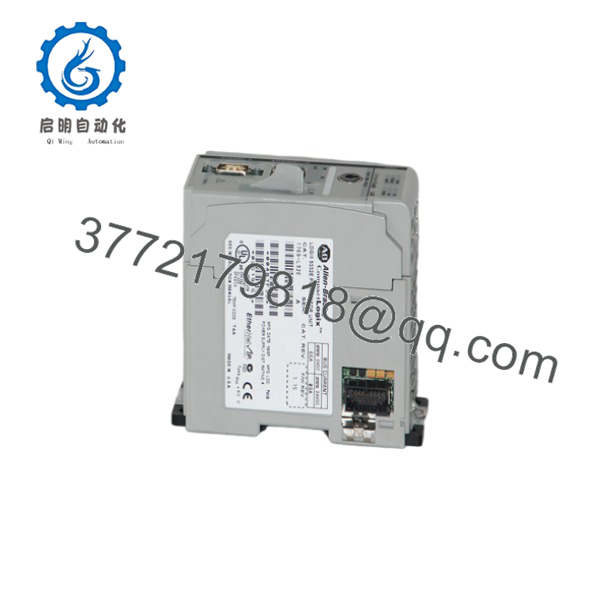
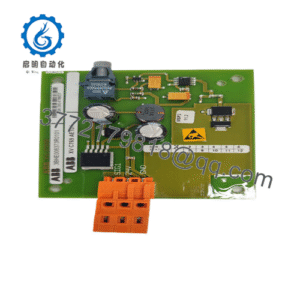
1769-L32E
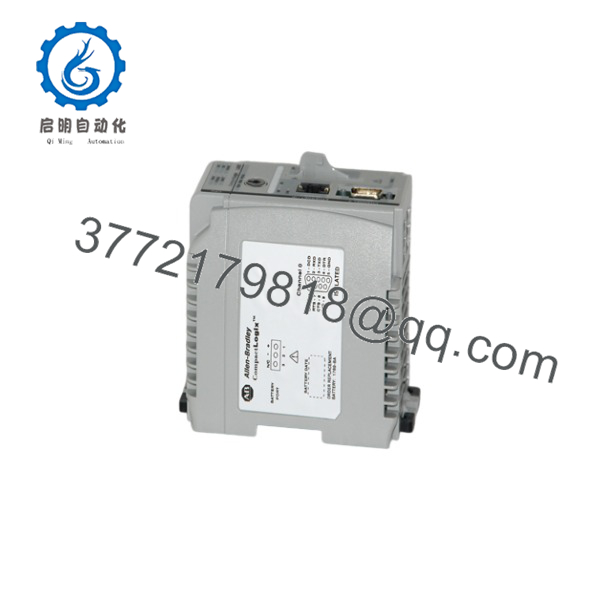
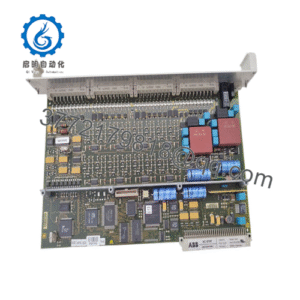
1769-L32E
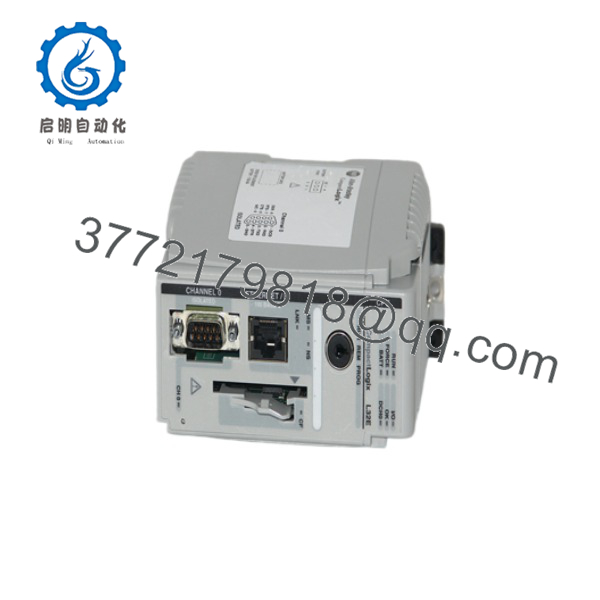
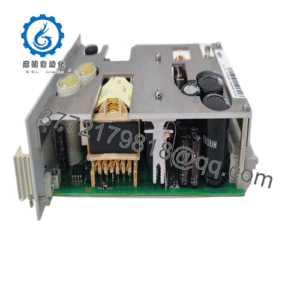
1769-L32E
Troubleshooting Quick Reference
| Symptom | Possible Cause | Relevance to this Part | Quick Check Method | Recommendation |
|---|
| Symptom | Possible Cause | Relevance to this Part | Quick Check Method | Recommendation |
|---|---|---|---|---|
| Controller will not power up | Missing 24 V DC supply or failed CPU | ✅ High | Measure input voltage and verify the controller LEDs | Check power and wiring first |
| Ethernet link is down | Bad cable, switch issue, or wrong IP address | ✅ High | Check link lights and ping the controller | Fix network settings before replacing hardware |
| RS-232 comms fail | Wrong cable, wrong baud rate, or protocol mismatch | ✅ High | Confirm serial settings and cable pinout | Verify the port setup and program settings |
| I/O modules not recognized | Expansion bus issue, incorrect bank setup, or poor seating | ✅ High | Reseat modules and review the I/O tree | Check the backplane layout and bank order |
| Program will not download | Firmware mismatch or project revision mismatch | ✅ High | Compare controller revision to the software project | Match firmware and software revisions |
| Random resets | Weak power supply, overheating, or bad backplane contact | ✅ High | Measure supply stability under load | Fix the cabinet power and ventilation |
| Outputs behave inconsistently | Logic error or field wiring issue | ⚠️ Medium | Monitor tags and field terminals in software and with a meter | Verify the program before replacing the CPU |
If the problem persists, send support photos of the controller LEDs, cabling, and diagnostic screens.
Frequently Asked Questions
Q: Is the 1769-L32E an Ethernet controller?
A: Yes. It has built-in EtherNet/IP, which is one of the main reasons it is still useful in older CompactLogix systems.
Q: How much memory does it have?
A: It has 750 KB of user memory. That is enough for a lot of compact machine applications, but you still need to check project size before choosing it as a replacement.
Q: How much I/O can it support?
A: Up to 16 Compact I/O modules across 3 banks. That is the key system limit to verify before a swap or retrofit.
Q: Does it support serial communications too?
A: Yes, it includes one RS-232 port. It also supports DF1, DH-485, and ASCII on the serial side.
Q: Is this model obsolete?
A: It is a legacy controller, so a lot of available units are surplus rather than current production. That is normal for parts in this class.
Q: What is the most common replacement mistake?
A: Mixing up the controller revision or not matching the I/O bank layout. That is the classic one that creates avoidable downtime.
Q: Why is it sold as New Surplus?
A: Because it usually comes from unused inventory, project overrun, or spare stock. That lowers cost, but you should still verify condition, revision, and test status.